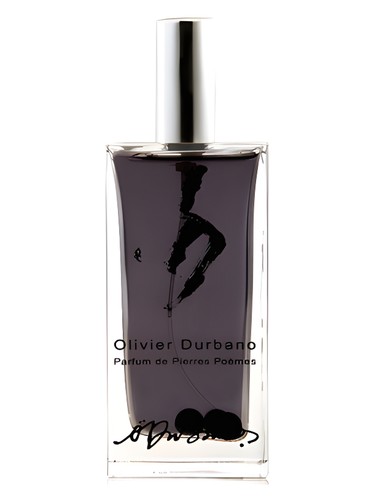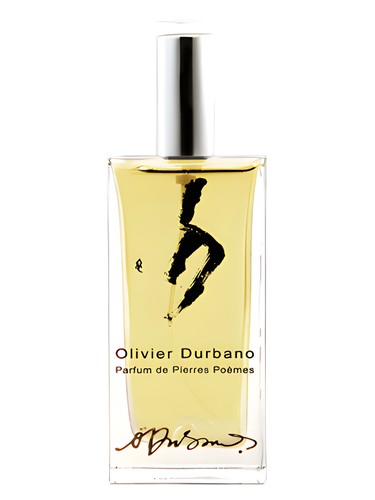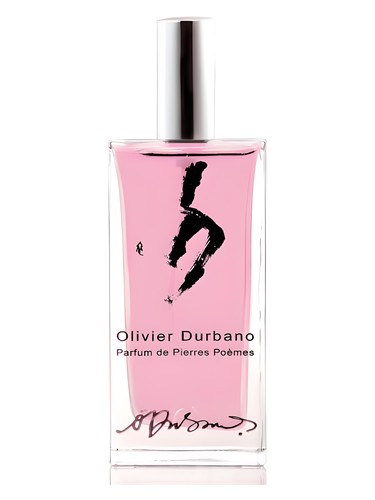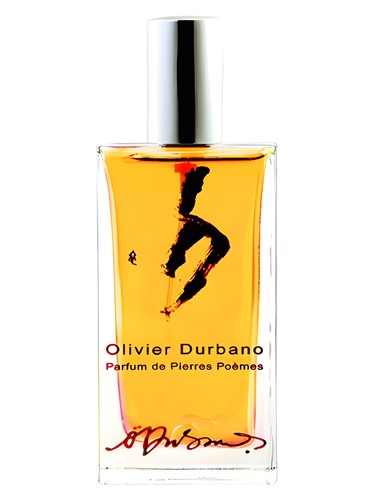
Lapis Philosophorum
Fragrance notes
Character
Lapis Philosophorum opens like a damp cellar where someone has just smashed a bottle of aged red wine against a stone wall. The truffle and rum hit first, earthy and almost fungal, with juniper cutting through like a cold draft. Grapefruit flickers briefly but gets drowned by the boozy richness. This is not a fresh fragrance, and anyone expecting a clean aromatic will be disappointed. The heart reveals a strange triad: olibanum’s church incense collides with a whisper of mint that feels more like crushed herbs than toothpaste, while ambergris adds a salty, animalic warmth that clings to the skin. As it dries down, myrrh and opoponax turn the whole thing into a balsamic resin that smells like an antique apothecary cabinet, oakmoss anchoring it in damp earth and musk softening the edges.
The overall impression is that of a philosopher’s stone made of fermented grape must and liturgical smoke, a heavy amber that wears like a velvet cloak soaked in sacramental wine. It feels thoroughly niche and slightly synthetic in its density, a concoction that demands attention but doesn’t always reward close inspection. The longevity is moderate at best, roughly four to five hours, and the sillage hovers close to the skin after the first hour, which feels restrained given the bombast of the opening. This is perfect for a chilly autumn night, perhaps with a cashmere scarf and a glass of something fortified, but it would suffocate in summer heat and feels too brooding for a bright spring day.
It suits anyone who enjoys boozy, resinous scents with minimal sweetness, those who appreciate the intellectual weight of frankincense and the odd sharpness of truffle. Skip it if you prefer clean citrus or fresh aquatics, or if you need a fragrance that performs through a long evening. Lapis Philosophorum is a specific mood, not a daily driver, and its modest projection keeps it intimate but not invisible, much like a whispered secret in a stone chapel. 🍷
Smells similar
Built from the same materials — ranked by how unusual the shared notes are, not by how many.