Weil De Weil
Fragrance notes
Character
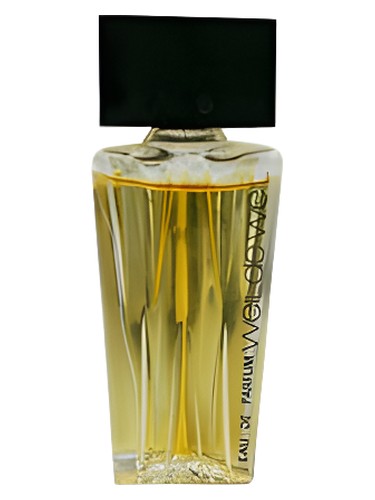
Weil De Weil opens with a sharp, almost bitter slap of galbanum and green notes, the kind of verdant crunch you get from snapping a stem in early morning. Tangerine and neroli cut through briefly with a citrusy fizz, but the green stays dominant, a bright and bristly curtain. Then the garden unfurls. Honeysuckle, narcissus, mimosa, and lily of the valley emerge in a dense yellow and white floral cluster, with ylang ylang adding a creamy, slightly custard-like warmth. It feels natural and unapologetically lush, like a conservatory in full bloom, but the true soul of this fragrance lies in its base. Oakmoss, civetta, and vetiver ground everything in a dark, animalic, slightly gritty hum, while sandalwood and musk add a soft, powdery finish. The result is a chypre that leans more toward earth than soap.
This is a fragrance with a specific, rather old school personality. It is not loud. With sillage hovering around moderate and longevity a touch above average, it stays close to the skin after an hour or two, which is a genuine weakness for those who want a trailing presence. But what it lacks in projection it makes up for in intimacy. Think of an elderly aunt’s silk scarf, still carrying the ghost of her garden and her cat and a morning cigarette, all at once. It is green, floral, mossy, and unmistakably animalic, the kind of composition that feels both refined and feral.
Who should wear it? Anyone who misses the era when florals had backbone, who appreciates a fragrance that takes its time to reveal a dusky, musky underbelly. Skip it if you prefer transparent aquatics or scrubbed clean synthetics. Weil De Weil is best worn in spring, on a cool day, during the long afternoon when light slants through leaves. It is a private pleasure, not a crowd pleaser, and that is precisely the point.
Smells similar
Built from the same materials — ranked by how unusual the shared notes are, not by how many.