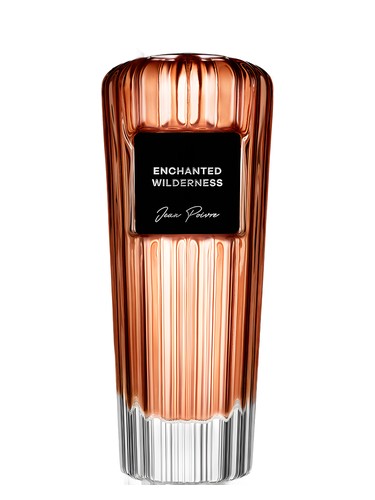
Enchanted Wilderness
Fragrance notes
Character
Oud and rose open this composition with a familiar pairing, but the honey here changes the direction immediately. Enchanted Wilderness is not a meditative wood scent for quiet rooms. It is a deliberate statement piece built for occasions where you want the air around you to feel rich and slightly heavy. The honey and vanilla in the heart lean sweet, yet the cedar and cashmere wood keep the texture dry enough that it never collapses into a sugary mess. Sandalwood and ambergris in the base add a warm, powdery depth that makes the whole fragrance feel expensive and layered.
This works best when the setting matches its weight. Wear it to a formal dinner, a winter wedding, or any evening event where people expect to notice what you are wearing. The rose is present but secondary, letting the oud and honey lead, which makes it feel more modern than traditional floral woods. Someone who prefers crisp, clean scents will find it overwhelming, because every note here pushes toward warmth and density. It suits confidence, not caution.
The limitation is the balance itself. The honey is so dominant that the rose and the lighter woods sometimes get buried under the sweetness. If you love oud for its dry, sharp edges, this blend may feel too soft and rounded for your taste. The powdery accords amplify that softness further, moving it away from rugged woods and toward something more decorative. It is a beautiful, bold choice, but it sacrifices sharp contrast to achieve its cozy, golden character.
Smells similar
Built from the same materials — ranked by how unusual the shared notes are, not by how many.