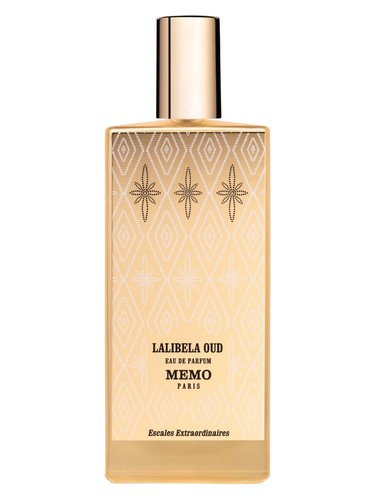
Lalibela Oud
Fragrance notes
Character
Lalibela Oud opens with a coconut that isn’t sun-drenched or beachy, but rather the pale, waxy flesh of one cracked open in a dark tent. The orchid beside it feels fleshy and strangely humid, a tropical bloom sweating in the heat. As the heart emerges, jasmine and rose rise like incense smoke curling around a carved altar, sweet but never syrupy. The base is where this fragrance stakes its claim: vanilla softens the oud’s medicinal rasp, tobacco adds a dried-leaf rustle, and patchouli and labdanum press everything into a resinous, powdery paste. Frankincense lifts it just enough to keep it from collapsing into pure dessert.
The overall character is a carved wooden box lined with velvet and dusted with powdered sugar, something you’d find in a highland monastery that also sells pastries. It sits firmly in the oriental niche camp, leaning synthetic in the opening’s coconut-accord sheen, but the drydown feels richer, more natural. The numbers are honest: longevity is moderate at best, a solid three to four hours before it clings to skin as a vanilla-jasmine ghost. Sillage is polite, a soft haze rather than a proclamation.
This is for someone who wants their gourmand with a dose of resin and smoke, not for those who find white florals cloying or expect oud to bite. Wear it on a cool autumn night, preferably after dinner, when the air carries woodsmoke and the sweetness feels like a secret. It’s too warm and powdery for high summer, and too demure for a night club. A contemplative, cozy fragrance that asks for a cashmere sweater and a glass of something dark. 🕯️
Smells similar
Built from the same materials — ranked by how unusual the shared notes are, not by how many.