Isvara
Fragrance notes
Character
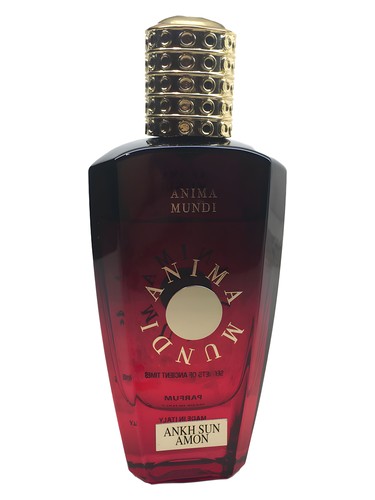
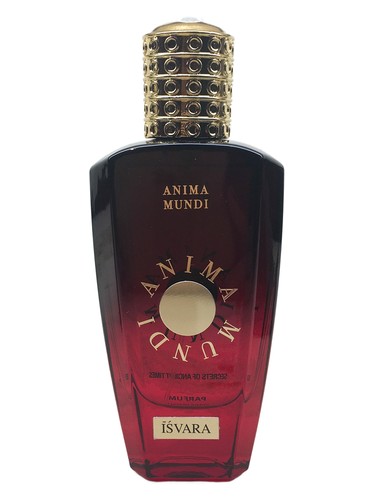
Stepping into the hushed reading room of an old library, the air is cool and still until someone settles into the worn leather armchair beside you. The movement releases a wave of heat from their skin, carrying the unmistakable golden shimmer of saffron and the gentle, nutty bite of nutmeg. Isvara by Anima Mundi does not creep timidly into the space. It announces itself with a confident, metallic edge that feels like the sharp gleam of brass fixtures under low lamplight. The initial spice is not the dry dust of a spice rack, but something visceral and alive, immediately mingling with the scent of the leather upholstery. It creates an atmosphere of studious intensity and refined comfort. As the afternoon wears on, the sharp sting of the spice softens into the smooth, tactile embrace of cashmere wood. This heart note bridges the gap between the bright opening and the scent of the aged wood paneling surrounding you. It feels both modern and ancient, a smooth resinous warmth that wraps around the room without overwhelming the silence. A dry, aromatic whisper of cypress emerges from the pages of an open book, grounding the fragrance in a fresh, green woodiness that keeps the heavy notes from becoming too oppressive. The scent persists in the air long after the person leaves, a lingering ghost of tobacco and aromatic wood that clings to the cushions and the stillness of the room. It is a presence that demands attention, filling the immediate space with a sophisticated, spicy aura that feels entirely natural within these walls. The leather and tobacco accords remain, a final, resonant chord of warmth.
Smells similar
Built from the same materials — ranked by how unusual the shared notes are, not by how many.