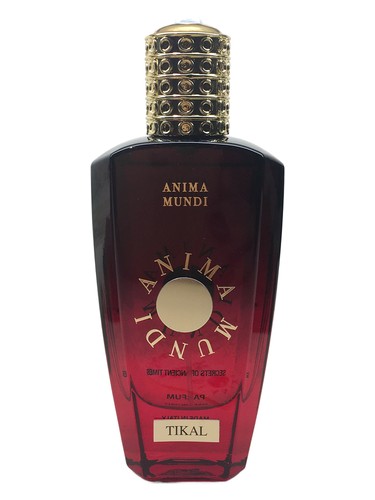
Tikal
Fragrance notes










Character
Sage and lemon open Tikal with a brisk, herbal snap that feels like sunlight hitting a stone path. The citrus is bright but not sharp, and the coriander adds a gentle lift that keeps the opening from feeling flat. Guaiac wood and cedar anchor the blend so that it stays present through a morning without demanding constant attention, while the sandalwood ensures the scent remains near the skin rather than announcing itself across a room. This is a daytime fragrance because it mirrors the clarity of open air and steady activity, not the hush of evening or the weight of a heavy cloak.
The argument here is simple. Tikal is for someone who wants structure without severity. Geranium and nutmeg form the core of that case, offering a spicy floral heart that feels composed and deliberate. The tonka bean softens the edges just enough to keep the profile welcoming, but it never turns sweet or lazy. You get a fragrance that holds its shape, and that makes it ideal for work or any setting where focus matters.
Aromatic and fresh spicy accords dominate the experience, with the herbal side of sage carrying through the wear. The woods in the base provide a dry, clean foundation that supports the brighter top notes instead of smothering them. It suits people who appreciate clarity in their scent, and it will disappoint anyone looking for a loud, evening-ready statement or a sugary gourmand trail.
Tikal stays true to its citrus and woody roots from the first spray to the last trace. The lemon and bergamot may fade, but the guaiac wood and sandalwood remain, leaving a soft spicy and herbal impression that feels honest and unforced.
Smells similar
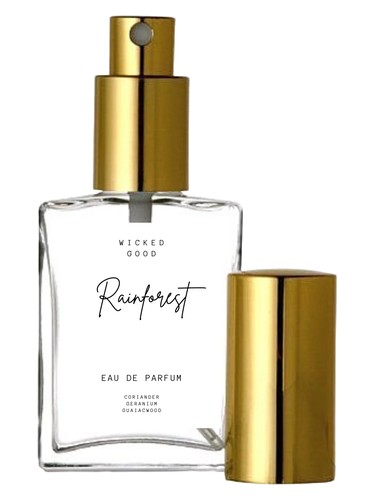
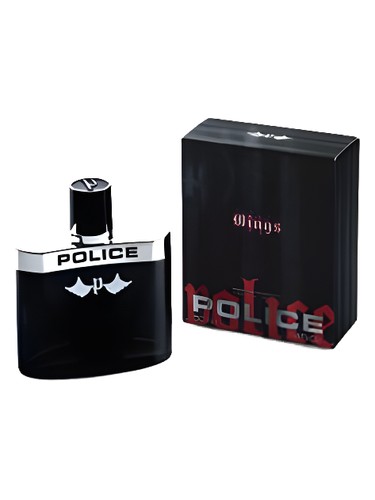
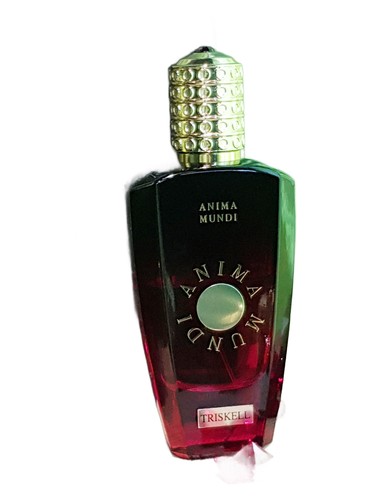
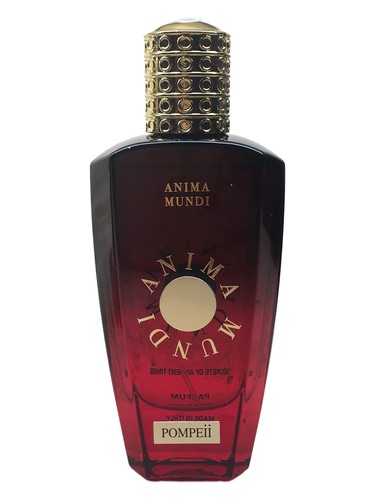
We matched these by the notes each one lists, giving more weight to the unusual ones they share. Sharing materials does not make one a copy of the other.