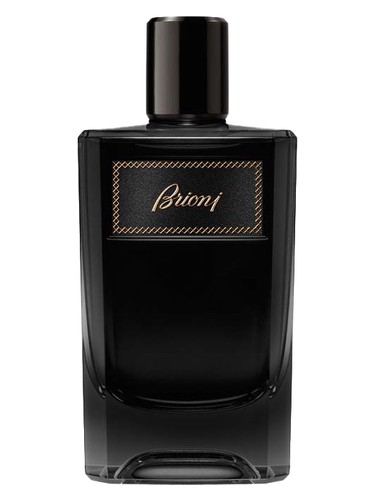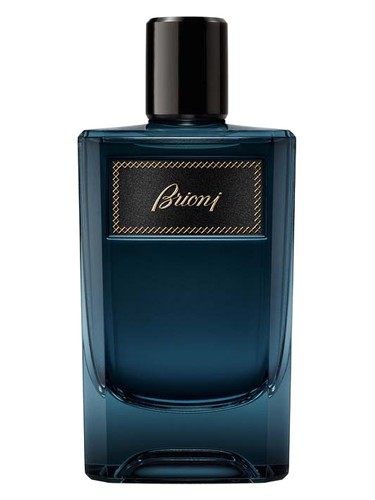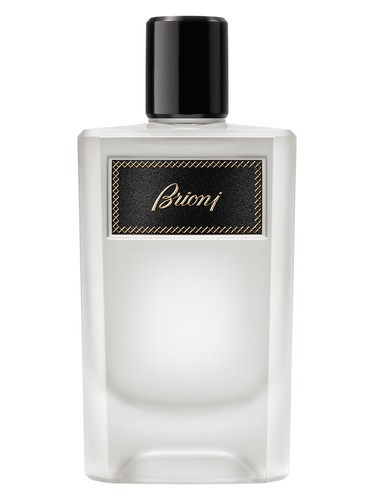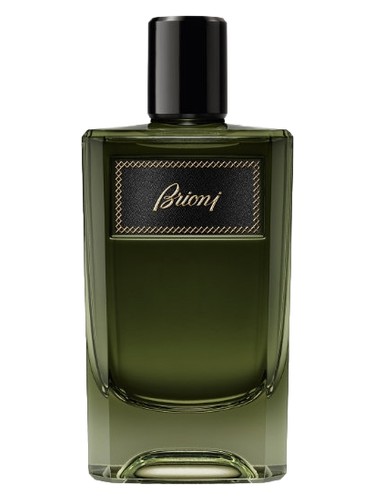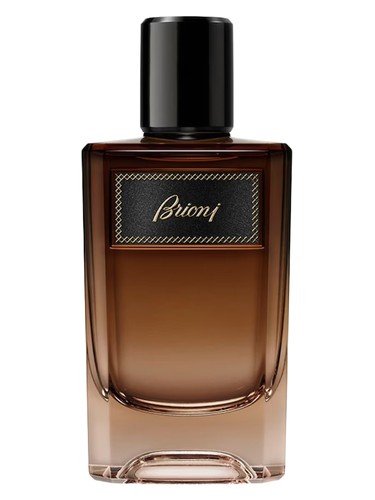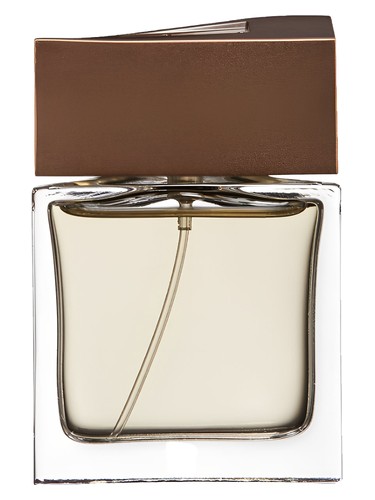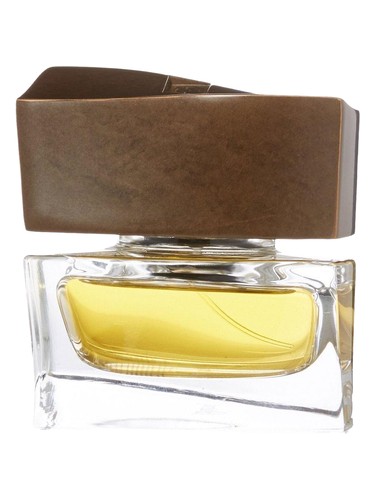
Eau de Toilette
Fragrance notes
Character
A spritz of Brioni Eau de Toilette cuts straight to the point with a Sicilian lemon so sharp it nearly squeaks, a citrus blade that slices through any morning fog. Within minutes the heart blooms with iris, magnolia, and violet, a powdery floral triad that feels less like a garden and more like a silk handkerchief folded into a breast pocket. The base is where things get peculiar: a dollop of agarwood meets black licorice, saffron, and labdanum, creating a warm, slightly sticky sweetness that clings to the skin like dried resin on an old chapel door. The overall impression is a leather-bound travel journal left open in a sunlit greenhouse, the ink smudged by pollen and spice.
This is a decidedly mature composition, more tailored than trendy, with a powdery-woody backbone that leans synthetic in the best possible way. It smells like a niche house that remembers it has to function in the real world. The longevity is modest at best, barely four hours, and the sillage stays close, so don’t expect to announce yourself from across the room. Those numbers, 3.31 and 3.23, are honest: this is a scent for intimate desk work or a spring lunch, not a club banger.
It suits the man who wears a blazer without needing an occasion, someone who appreciates the unexpected turn from bright citrus to dusky, licorice-laced oud. Skip it if you want anything loud, sweet, or youthfully boozy. Wear it on a bright March afternoon with a slight chill in the air, or a cool summer evening when the light goes golden. A quiet, compelling oddity, and well worth the 4.24 rating, if you give it the time. 🍋
Smells similar
Built from the same materials — ranked by how unusual the shared notes are, not by how many.