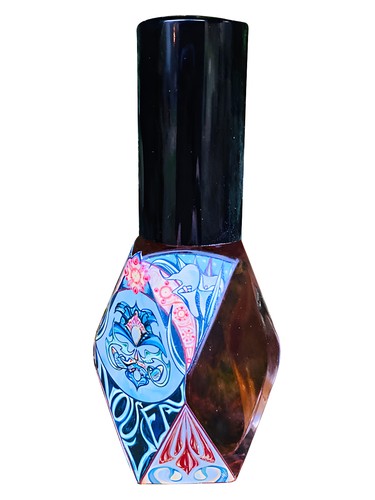
Jugendstil
Fragrance notes
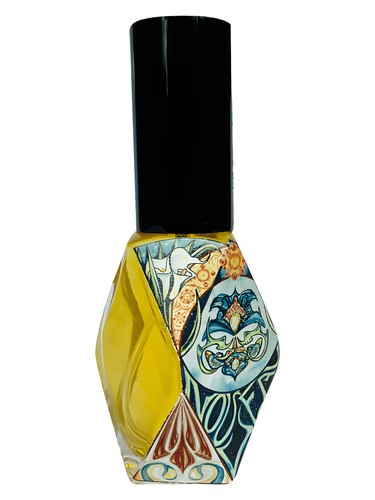
Black Rabbit names this scent after an art movement defined by organic curves and ornamental detail, and the fragrance follows that same philosophy. It opens with a bright, slightly strange mix of pitahaya, bergamot, bitter orange, and aldehydes. The opening feels airy and ozonic, like a spring morning captured in a glass. It is a clean, slightly soapy start that immediately signals this is not a heavy, traditional perfume.
As the scent develops, the heart brings in violet leaf, jasmine, honeysuckle, and ivy. This stage is incredibly fresh and green, but the ivy and violet leaf keep it from becoming a simple, sweet floral. It has a distinct "forest after rain" quality that feels both natural and manicured. You can smell the jasmine, but it is tempered by the green, watery sharpness of the honeysuckle.
The true character of Jugendstil lives in the drydown. This is where the moss, benzoin, cedar, oud, and labdanum take over. The transition is fascinating because the oud and cedar introduce a dry, woody depth that contrasts sharply with the dewy opening. It doesn't become a dark, resinous bomb; instead, the benzoin and labdanum add a powdery, balsamic warmth that feels like old books and antique furniture. It is an earthy, musky finish that retains a faint, clean soapiness from the top notes.
This complex, evolving nature is also where the fragrance might lose some people. Jugendstil is unapologetically quirky and cerebral. It constantly shifts between being a fresh, ozonic outdoor scent and a powdery, balsamic indoor scent. If you prefer a linear fragrance that settles into a predictable rhythm, this constant tug-of-war between the clean aldehydes and the heavy, earthy base will feel disjointed. It is a beautiful, strange puzzle, but it refuses to sit still.
Smells similar
Built from the same materials — ranked by how unusual the shared notes are, not by how many.