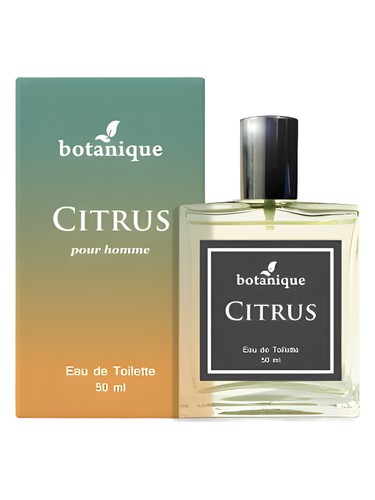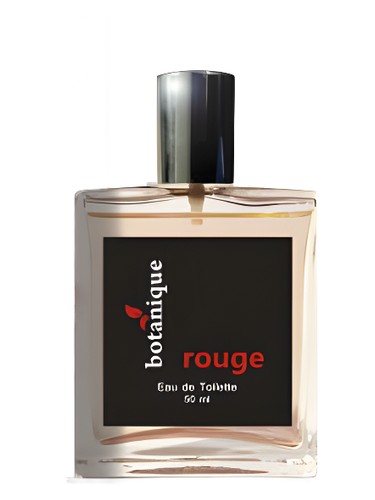
Rouge
Fragrance notes
Character
Botanique Rouge is built for the man who wants his citrus to feel heavy. The opening does not sparkle in a light, breezy way. Mango and mandarin orange arrive with a dense, syrup-like weight that pushes the fragrance immediately toward warmth. Red tea adds a dry, steeped character that keeps the fruit from becoming a simple candy store impression. This is a tropical opening that wears a suit, presenting a polished exterior rather than a vacation mood. The initial spray establishes a clear direction where sweetness is present but controlled by a bitter edge.
The heart of the fragrance is where the argument for its masculine stance becomes clear. Cardamom, ginger, and pepper create a sharp, pungent barrier that cuts through the thick fruit. This spicy layer is aggressive and dry, transforming the juicy start into something much more architectural. The ginger provides a biting clarity that demands attention, while the pepper adds a rough texture to the benzoin waiting in the base. It feels like a deliberate attempt to make a gourmand-style fruit profile behave with the discipline of a traditional barbershop scent.
Composed by Armando Alonzo, this scent succeeds because it refuses to choose between being a fruit salad and a spice rack. The benzoin at the base pulls everything toward a resinous, golden warmth that feels expensive and slightly opaque. It suits a formal evening dinner where a drink is in hand and the room is filled with conversation, providing a scent that feels both modern in its tropical daring and old-school in its spicy resolve. The mango lingers beneath the pepper, creating a tension that keeps the wearer guessing about the next
Smells similar
Built from the same materials — ranked by how unusual the shared notes are, not by how many.