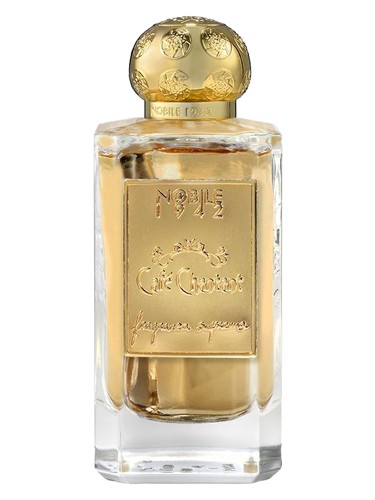
Café Chantant
Fragrance notes
Character
Café Chantant opens with a sour cherry note that snaps like a wet branch underfoot, tart and almost medicinal, before star anise wraps it in a glossy, dark sweetness. The laurels whisper something green and bitter underneath, a clever foil to the fruity blast. Within minutes, heliotrope and iris swim into view, powdery and soft as torn velvet, turning the composition inward. This is not a loud fragrance; it’s a murmur. The base of vanilla, benzoin, and musk settles into a skin-hugging warmth, with patchouli adding a dusty, woody anchor that prevents the whole thing from floating away into bath-powder territory.
The overall character feels like an old-fashioned perfume counter in a sleepy European department store, where the saleslady has just polished the glass with a cloth that smells of almond paste and faded iris petals. It’s sweet but never cloying, powdery without feeling dated, and wears closer to the skin than the sillage numbers suggest – a 2.85 that will leave you sniffing your own wrist more than turning heads. Longevity sits firmly in the modest camp; three hours before it becomes a ghost, which is a shame given how lovely that drydown is.
This is for someone who wants a cozy, intimate fragrance for crisp autumn afternoons or quiet winter evenings, a scent that feels like a cashmere scarf rather than a statement coat. Skip it if you crave projection or all-day endurance; you’ll be reapplying before dessert. Wear it to a bookshop, a midday café, or a day when you want to smell like a soft, sweet memory that only you can really feel.
Smells similar
Built from the same materials — ranked by how unusual the shared notes are, not by how many.