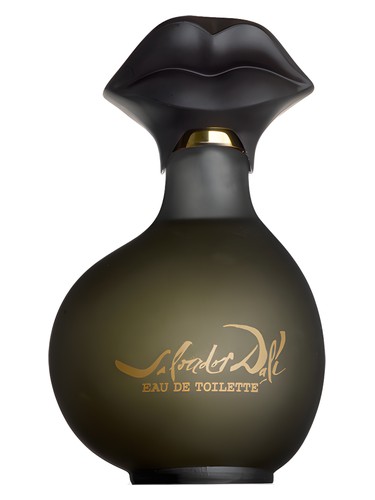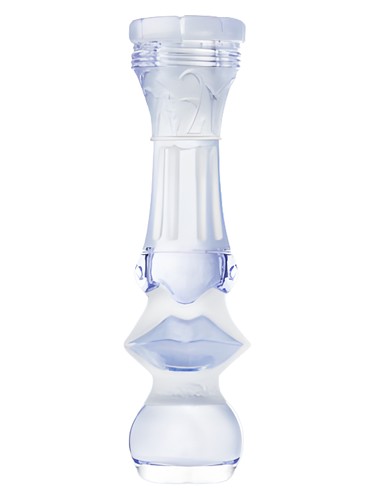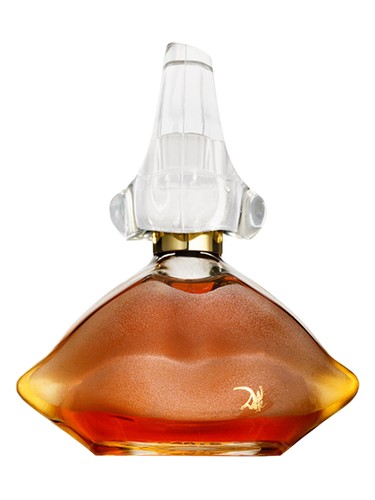
Dali Parfum de Toilette
Fragrance notes
Character
Dali opens loud and stays loud, in the maximalist style typical of aldehydic florals from the mid-1980s. Aldehydes fizz over incense and clove right from the first spray, basil and green notes adding a bitter edge, and bergamot and mandarin orange barely register against all that spice.
The heart is enormous: narcissus, lily, jasmine, tuberose, mimosa, orris root, rose, lily-of-the-valley and orange blossom, nine notes fused into one dense white and yellow floral wall that never separates into individual parts.
Then the base arrives, just as dense: benzoin, myrrh, amber, sandalwood, oakmoss, vanilla, cedar, musk and patchouli, nine more notes building a thick, balsamic, powdery drydown that takes over completely. Myrrh and benzoin give it a resinous, slightly bitter warmth, oakmoss adds an earthy dryness underneath, and vanilla is the only real sweetness in a base that otherwise reads dry and serious. This late stage is where Dali becomes most itself, heavier and darker than the floral heart, and it easily outlasts the aldehydes and florals that opened it.
Its reach is real, easy to notice well before you would expect, which makes it a fragrance for cold, formal occasions more than everyday wear. It is not built for a quiet office day, and nothing about its construction pretends otherwise; the aldehydes and heavy floral heart make sure of that.
Smells similar
Built from the same materials — ranked by how unusual the shared notes are, not by how many.