RubyLips
Fragrance notes
Character
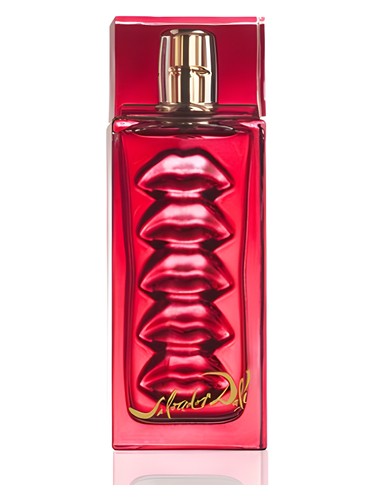
RubyLips opens with a tart, juicy slap of red currant and yuzu, the kind of bright, citric fizz that seems engineered to wake you up. The apple adds a candied crispness, and for a moment, this feels like a fruity body spray aimed at teenagers. But then the heart arrives, and something shifts. The rose is not the dewy, somber rose of a night garden; it is a glossy, lipsticked rose, flanked by a creamy orchid and a watery lily that keeps the florals from turning cloying. The drydown is where the Dali surrealism finally peers through: patchouli and sandalwood ground the sweetness with a dusty, almost cosmetic earthiness, while honey and a ghost of lemon tree leaf add a sticky, sun-warmed amber. The overall character is a glossy red lipstick kiss pressed onto a linen napkin, slightly smudged, sweet but not innocent.
The performance is polite, and that is the honest weakness. Longevity and sillage hover around three out of five, meaning you will get a few hours of close-wearing presence and then it fades into a skin scent. It is a well-blended mainstream floral fruity, synthetic in a polished way, never challenging or loud. This suits someone who wants a cheerful, wearable everyday scent for spring days and summer mornings, a fragrance that says bright and approachable rather than dark and mysterious. Skip it if you crave projection, spice, or anything that lingers into the evening. Wear it to brunch, to the office, or on a lazy afternoon walk. It is pretty, unassuming, and perfectly content to be just that.
Smells similar
Built from the same materials — ranked by how unusual the shared notes are, not by how many.