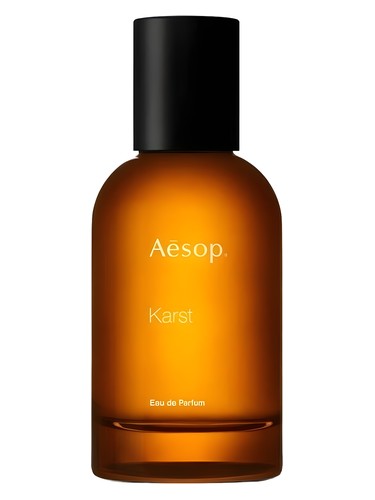
Karst
Fragrance notes
Character
You get a sharp, mineral hiss of pink pepper and juniper, then bergamot that isn’t sweet but almost briny, like the rind scraped over sea salt. Karst opens with a brisk clarity that suggests coastal cliffs rather than a garden. Rosemary and sage come in dry and herbaceous, the cumin adding a faint, dusty warmth that stops just short of sweatiness, more like sun-heated stone than skin. The base settles into a quiet, woody scaffold of vetiver and cedar, sandalwood sanding the edges into something almost powdery but still lean. This is a fragrance that feels carved rather than composed, a scent built for the kind of person who finds beauty in exposed rock and tidal pools, not floral meadows.
The overall character is a memory of a morning walk along a limestone shore, the air carrying salt, scrub brush, and the ghost of citrus from a distant grove. It’s natural in the best sense, never synthetic or loud, and leans more toward niche minimalism than mainstream crowd-pleasing. The numbers tell an honest story: longevity barely brushes two hours on skin, and sillage is a whisper, close enough to be private but still present. That’s its main weakness. You will need to reapply, which makes it better suited to thoughtful, intimate wear than a full workday onslaught.
Who should wear Karst? Someone who wants to smell like a place rather than a product, who values texture over projection. Skip it if you need a heavy hitter or if cumin makes you anxious. Wear it on a warm spring afternoon, a summer morning before the heat peaks, or a quiet evening when you don’t need to announce yourself. It’s a fragrance that rewards proximity, the kind that someone leans in to smell and then stays there a beat too long.
Smells similar
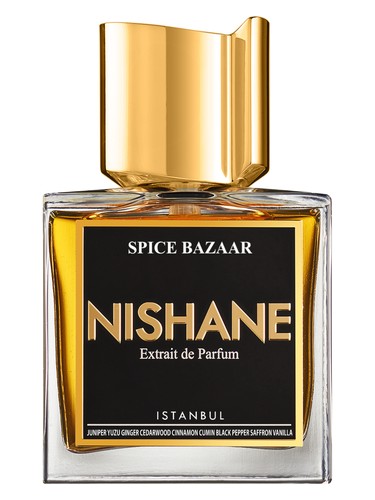
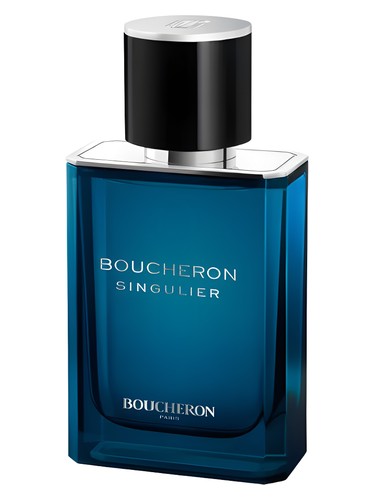
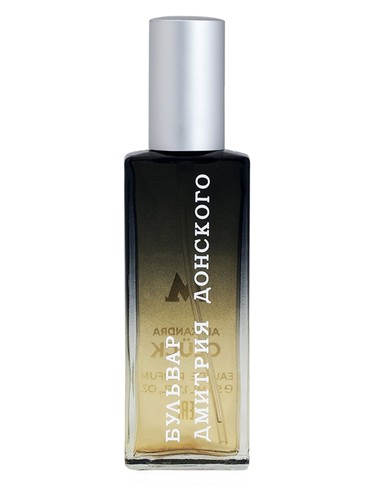
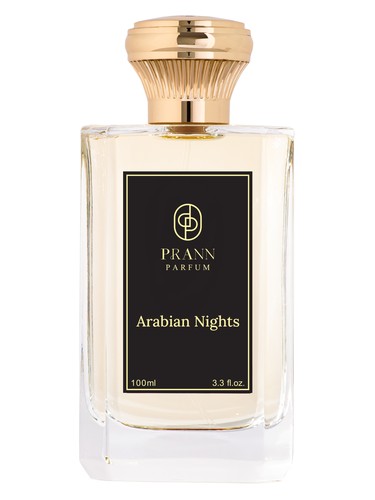
Built from the same materials — ranked by how unusual the shared notes are, not by how many.