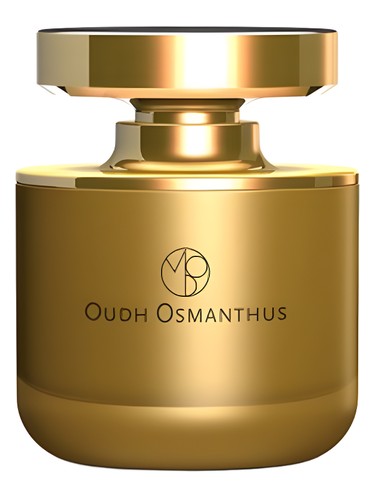
Oudh Osmanthus
Fragrance notes
Character
Oudh Osmanthus opens with a citrus snap that feels almost electric, green mandarin and petitgrain zinging across the skin before elemi’s resinous warmth softens the edges. Then the heart arrives, and this is where Mona di Orio’s genius shows itself. Osmanthus, that apricot-leather flower, is not sugared or prim. It’s rubbed raw against cypriol’s smoky earth and a patchouli that smells like damp roots, not hippie dust. The base settles into a low, measured hum of oud, cedar, and a touch of ambergris that feels more like salted skin than sea spray.
The overall impression is a velvet purse dropped in a cedar forest, stained with fruit and soil. It is decidedly niche, deeply natural in its materials, and neither sweet nor fresh but heavy in a quiet, unforced way. The sillage is modest, which disappoints if you want to announce yourself, and longevity sits at a respectable but not heroic four to five hours. That is the weakness: it stays close, requiring reapplication or a willing collar.
Who should wear this? Someone who appreciates osmanthus without the usual bath product gloss, who wants an oud that whispers rather than shouts. Avoid it if you crave high projection or a linear, crowd pleasing floral. Best in the cold months, fall through winter, when its dusty warmth can bloom against a coat collar. It works for day or night, but truly shines after dark, when the fruit and smoke can play shadows.
Smells similar
Built from the same materials — ranked by how unusual the shared notes are, not by how many.