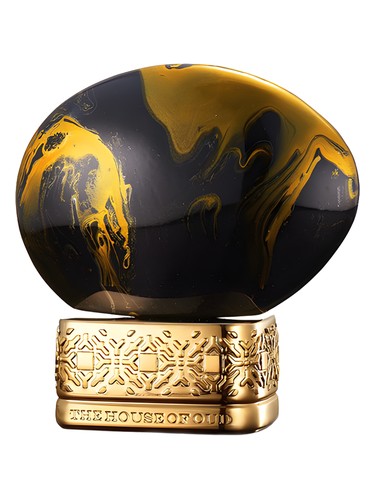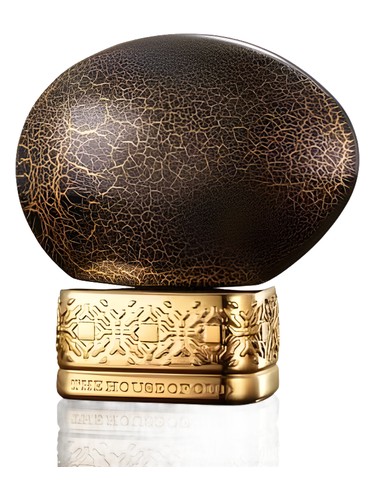
Blessing Silence
Fragrance notes
Character
Blessing Silence opens with a blunt fist of labdanum, all sticky amber and animalic warmth that feels less like a greeting and more like a claim. The patchouli that follows is dark and rooty, not the clean hippie kind but something damp and almost medicinal, the scent of soil after a long autumn rain. As it dries, the base unfurls: agarwood that leans smoky rather than barnyard, a rose that is desiccated and powdery like petals crushed into a sachet, and sandalwood that cushions everything in creamy wood. The overall effect is a heavy, resinous blanket, an Oriental-woody scent that sits close to the skin with moderate sillage and respectable longevity. This feels like a niche-house project done right, with natural-smelling materials that never veer into synthetic screech.
The imagery that sticks is an old armchair upholstered in worn velvet, tucked in a corner of a library where a single dried rose has been forgotten in a book. This is a quiet, introspective fragrance, not a loud declarative one, which explains why its sillage rating sits at a modest 3.61 and why it earned only 3.69 stars from voters it is not trying to win everyone over. It is sweet in a balsamic, almost honeyed way, but the earthiness and the dusky rose keep it from tipping into cloying. It suits someone who prefers to wrap themselves in mood rather than demand attention. Skip it if you like bright citruses, aquatic freshness, or things that sparkle because this fragrance does not glitter, it glows like embers.
Wear it when the days are short and the air smells of fallen leaves and cold stone. Autumn and winter are its natural habitat, and night is its true canvas. One could argue that a rose-oud-patchouli trio is hardly groundbreaking, but the labdanum top note and the soft powdery texture make this iteration feel less like a checklist and more like a meditation. It is a fragrance for sitting still, for evening walks when the only company is your own breath.
Smells similar
Built from the same materials — ranked by how unusual the shared notes are, not by how many.