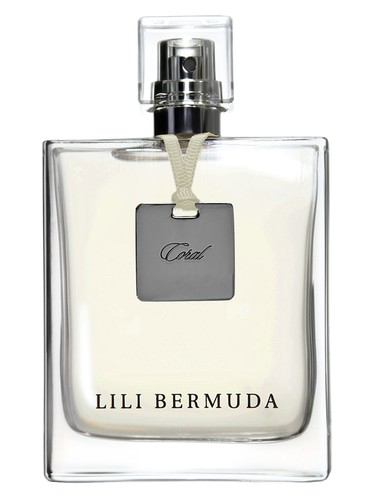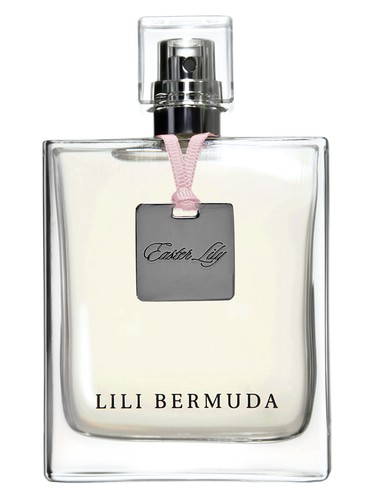
Easter Lily
Fragrance notes
Character
Easter Lily is not a scent for those who want their florals to melt into a warm, cozy skin scent. The inclusion of white musk and vanilla in the base suggests a soft landing, but the reality is far more upright and crisp. Composed by Madeline Scott in 1928, this fragrance wears its structure plainly. The opening of green leaves and cassis provides a sharp, slightly tart introduction that refuses to be subtle. It moves directly into a heart dominated by lily and lilac, creating a bouquet that feels freshly cut rather than arranged in a vase. The accords list an animalic touch alongside the soft spicy and musky elements, which keeps the white floral character from becoming a flat, one-dimensional wash of petals. It is a composition that demands attention through its verticality and bright green edges, standing tall against the skin rather than wrapping around it.
This fragrance fits a specific kind of morning. Imagine walking through a garden where the dew has not yet evaporated from the stems, the air cool but promising warmth. It is for the person who wants to smell like that specific environment, clean and unapologetically botanical. The vanilla here does not read as a gourmand treat but as a pale cream backing the vivid lilac. If you prefer your scents to be blurry, dark, or heavy with resin, this will feel too stark and exposed. It captures the sensation of sunlight hitting a white petal, the visual brightness translated into a scent that stays
Smells similar
Built from the same materials — ranked by how unusual the shared notes are, not by how many.