Oxford Street
Fragrance notes
Character
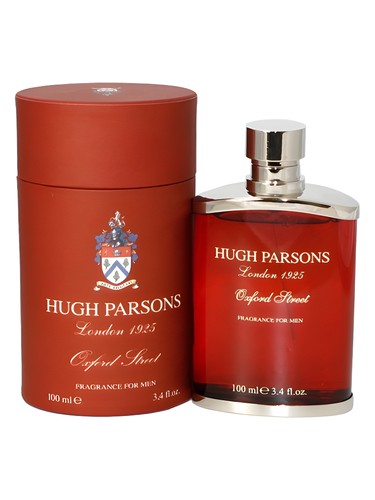
Hugh Parsons’ Oxford Street opens with a surprising punch of black truffle, that earthy, almost fungal richness, quickly tempered by basil’s aromatic greenness and a citrusy squeeze of mandarin and grapefruit. The pink pepper fizzes briefly, then the heart takes over: a kitchen spice rack of star anise, cinnamon, cardamom, caraway, and black pepper, all clattering together in a warm, slightly powdery cloud. It’s unabashedly spicy, leaning more toward a dusty chai shop than a fresh cologne. As it dries, the base emerges with soft sandalwood, a restrained whisper of oud, and vetiver’s dry roots, all resting on labdanum’s ambered resin and a patchouli that’s been brushed clean of its hippie edge. The overall effect is that of a well-worn leather armchair in a wood-paneled study, the air thick with cumin and old books.
This is a natural-feeling composition that straddles the line between niche ambition and mainstream wearability, though its sillage is frustratingly shy and longevity hovers around three or four hours before becoming a skin scent. The ratings don’t lie: it demands reapplication, especially if you want anyone else to notice. That makes it a fragrance for the guy who wears scent for himself, who enjoys leaning in to catch the whiffs of caraway and cinnamon rather than broadcasting them. It suits a crisp autumn afternoon, a wool coat, a coffee meeting that turns into a long walk. Skip it if you crave projection or if summer humidity is your default; this one thrives in cool air, where its warmth can breathe without dissolving into a cloying haze.
Smells similar
Built from the same materials — ranked by how unusual the shared notes are, not by how many.