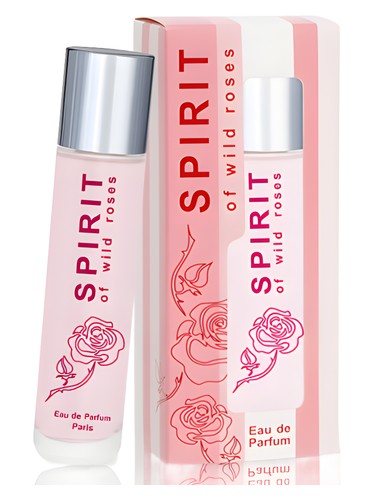
of Wild Roses
Fragrance notes
Character
A fragrance that disappears before lunch is a hard sell, yet that is the first thing to know about of Wild Roses. The mandarin and apple in the opening provide a bright, watery burst that feels refreshing in the moment, but the cinnamon and vanilla take over so fast that the initial sparkle is gone almost immediately. It is a scent that demands reapplication if you want it to last past a single errand, and the low presence means you will likely be the only person who notices it. This quiet nature is not a flaw if you view the scent as a personal comfort rather than a statement. It is for someone who wants to smell like a creamy, spiced rose without leaving a trace in a room or on a scarf.
The argument for wearing it rests on its texture. The jasmine and orange blossom are steam-distilled and clean, avoiding the indolic heaviness that often weighs down white florals. When the tonka bean merges with the amber, the effect is a soft, powdered sweetness that feels like clean skin rather than a sugar syrup. It smells like standing in a sunny kitchen while something with apples and cinnamon bakes in the oven, but the windows are open and a fresh breeze is blowing through. That specific atmosphere is why this works for spring and summer days. It captures the heat of a dessert without the density, allowing the citrus to peek through and keep the fragrance from becoming a sticky trap.
This makes it an ideal choice for a slow morning spent outdoors or a casual walk through a farmer’s market, where the scent should feel like a natural extension of a relaxed mood. The rose here is not the stiff, velvet variety found in formal perfumery; it is dewy and paired so closely with the fruit that it reads almost as a botanical garden smells after a rain. You wear this to please yourself on a warm, bright afternoon, enjoying the way the spices warm the skin just enough to feel cozy without ever becoming a heavy, oppressive blanket that screams for attention in the heat.
Smells similar
Built from the same materials — ranked by how unusual the shared notes are, not by how many.