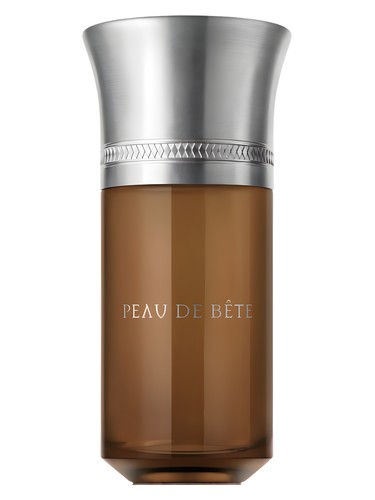
Peau de Bete
Fragrance notes
Character
Peau de Bete opens with a slap of cumin and black pepper that is less spice rack and more stable floor: dusty, sweaty, and strangely compelling. The parsley and chamomile try to chime in with some herbal grace, but the saffron only deepens the grimy warmth. As it settles, the heart becomes a dense thicket of smoky styrax, rooty cypriol, and a whole choir of woods from guaiac to two cedars, all tangled with a grassy, patchouli-laced greenness. Then the base hits with genuine civet and castoreum, animalics that feel like a fur coat left out in the rain. This is not a perfumed bow; it is a raspy, intimate exhale from a creature that hasn’t been tamed.
The overall character is a woodland den left to rot and reclaim itself: damp leather, singed herbs, and the breath of an unseen beast. It feels heavy, almost claustrophobic, with a distinctly natural rawness that refuses to be polished into a nice fragrance. The longevity hovers around average, but the sillage is intentionally close, which suits its private, feral nature. This scent belongs to the person who finds comfort in decay and solitude, the one who wants to smell like the undergrowth after a hunt. Skip it if you prefer clean or sweet profiles, or if you expect a compliment. Wear it on a damp autumn evening under a thick coat, or when you want to feel like you are wearing the shadow of something older than the perfume industry. Despite its modest ratings, Peau de Bete earns its 94% fall and 100% winter votes, because this is not a scent for daylight or summer skin. It is a confession, not a greeting.
Smells similar
Built from the same materials — ranked by how unusual the shared notes are, not by how many.