Tryst
Fragrance notes
Character
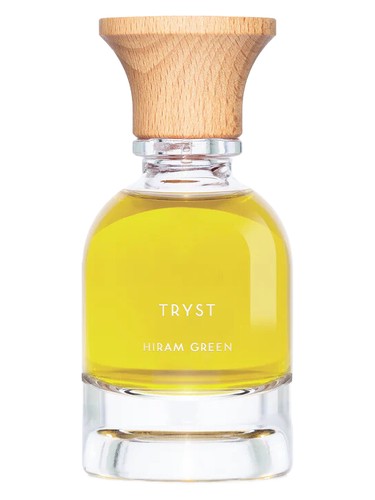
A spritz of Tryst hits like a citrus grove after a spring rain, all tart orange and piercing green notes that feel almost electric on the skin. That bright zing quickly softens into a generous heart of neroli and orange blossom, soapy and creamy in a way that suggests freshly laundered linen drying in a sunlit garden. The drydown is where the fragrance gets interesting: honey and warm resins creep in, turning the white florals sticky and slightly animalic, like a bee drunk on nectar against a backdrop of amber warmth. It is a very natural, almost artisanal scent, with none of the shrill synthetic edges that plague so many citrus florals.
The overall character feels like a secret meeting in a secluded greenhouse, the glass steamed by midday heat, petals damp and sweet. It is fresh but not sharp, sweet but not cloying, a harmony of soapy cleanliness and honeyed depth. Yet the numbers do not lie. With longevity hovering around moderate and sillage that stays close to the skin, Tryst whispers rather than announces itself. That intimacy suits its name, but anyone craving a shoulder-tapping presence should look elsewhere.
This is a fragrance for daytime, particularly spring and summer, when its crisp opening can shimmer and its honey base can bloom without becoming syrupy. It will appeal most to those who love understated elegance and natural white florals, and who do not mind reapplying after a few hours. Skip it if you need a fragrance that roars or if bitter green notes make you wince. But for a quiet, sunny rendezvous with yourself, Tryst is a lovely, if fleeting, companion.
Smells similar
Built from the same materials — ranked by how unusual the shared notes are, not by how many.