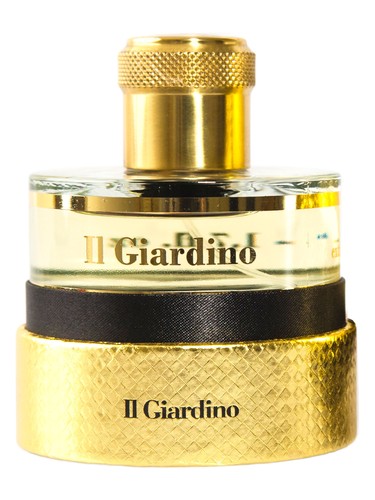
Il Giardino
Fragrance notes
Character
Il Giardino opens with a sharp, verdant slap of ivy and unidentifiable floral notes that feel less like a bouquet and more like the damp, crushed leaves underfoot in an overgrown greenhouse. That green freshness is quickly softened by a crisp apple and pear duet, not syrupy or candy-sweet but the pale, watery flesh just before the fruit turns ripe. But don't be fooled by the fruity top; a leathery, smoky undertow emerges fast. The vetiver in the heart is grassy and dry, not soapy, and it wraps around the fruit like a vine strangling a trellis. By the time the base settles, you get cedar dust, a whisper of benzoin’s vanilla-amber warmth, and a soft suede-like leather that feels more like an old garden glove than a biker jacket.
This is a woody aromatic that leans resolutely fresh and green, with a slightly ozonic, airy quality that makes the leather feel clean rather than animalic. The overall character is a wet stone path in a shaded corner of a botanical garden, where ivy clings to a wrought iron bench. It is natural-leaning, distinctly niche in its refusal to pander, but not challenging. It suits the person who wants an elegant, unisex freshness without aquatic or citrus clichés. Those craving dense sweetness, heavy projection, or a beast-mode sillage should skip it. The longevity and sillage are its clear weakness, hovering around the 3.4 and 3.1 marks, making this a close-wearing, intimate scent that fades within a few hours. Wear it on a bright spring morning or a mild summer evening when you want to feel polished but not noticed from across the room. It is a garden, not a shout.
Smells similar
Built from the same materials — ranked by how unusual the shared notes are, not by how many.