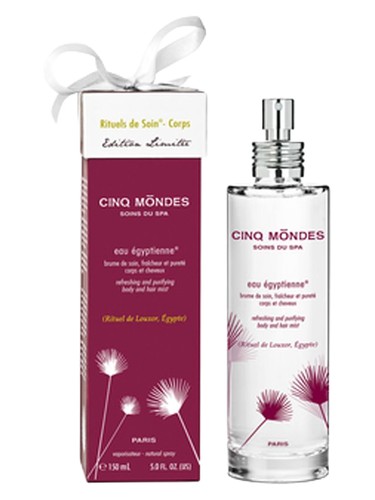
Eau Egyptienne Limited Edition
Fragrance notes
Character
Eau Egyptienne Limited Edition exists for the person who wants a spiritual space in scent form rather than a conventional pretty floral. The case for this position rests on the resinous heart of frankincense and myrrh. These materials pull the composition away from simple decoration and toward ritual. Lotus and mint provide a cool, aqueous lift that keeps the smoke from feeling heavy. Caraway and mastic add a green, slightly bitter edge that prevents the sweetness of rose and jasmine from dominating. It is a fragrance built on contrast, where aromatic clarity meets balsamic depth.
The wearer who chooses this is looking for something that feels ancient and modern at once. The ozonic and aquatic facets give it a clean, open air quality that suits daytime wear, while the warm spicy and amber elements provide enough gravity for evening. It does not try to charm a room with obvious femininity. Instead, it creates a personal atmosphere defined by its aromatic and fresh spicy character. Those who expect a bright, fruity bouquet will find it too dry and meditative for their taste.
This is a specific mood captured in a bottle, best reserved for moments when you want to feel centered and composed. It suits cooler weather particularly well, when the resins can unfold without feeling out of place. The blend of jasmine and rose is present but rendered in a style that feels more like an incense offering than a garden stroll. It is a distinctive choice for someone who views perfume as a private experience. The lasting impression is a seamless blend of mastic and frankincense.
Smells similar
Built from the same materials — ranked by how unusual the shared notes are, not by how many.