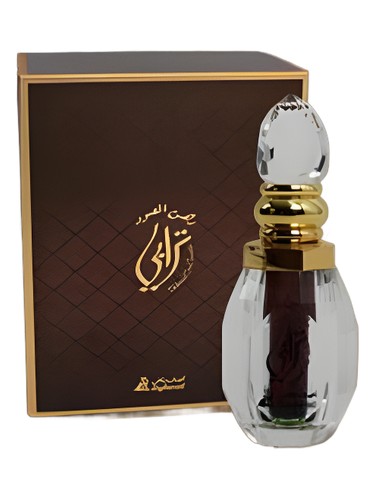
D.Oud Turabi
Fragrance notes
Character
D.Oud Turabi arrives with a narrow focus that leaves little room for movement. The oud here is present from the first moment, joined by fresh spicy accents that try to lift the weight. It is a straightforward combination, and that simplicity is where the limitation sits. There is no gentle shift or hidden layer waiting to appear, just the same two elements holding their ground. For some, that directness feels honest. For others, it feels like the composition stopped before it was finished. The spicy edge keeps the oud from sitting completely heavy, but it does not change the fact that the scent stays inside a very small frame.
The room is quiet, late afternoon, sunlight touching the edge of a wooden table. Someone nearby is wearing D.Oud Turabi. The air carries oud and fresh spice in equal measure, neither rising nor fading, just occupying the space. There is no sweetness, no floral distraction, no softness to round the edges. It smells like a single idea repeated clearly. The wooden furniture in the room seems to answer it, the grain of the table matching the tone in the air. Nothing else competes. The moment feels still, the fragrance doing exactly what it was built to do without asking for more attention than it already claims.
That same stillness is also where the fragrance shows its weakness. D.Oud Turabi does not invite discovery. Once the oud and the fresh spice are recognized, there is nothing new to find. It is a scent that settles into its own identity and then offers no further path. Wearing it means accepting that narrow view. It suits someone who wants one clear impression and nothing more. Those who enjoy watching a fragrance change and reveal different sides will find this one too fixed. The flaw is not in the quality of the notes, but in the refusal to move beyond them.