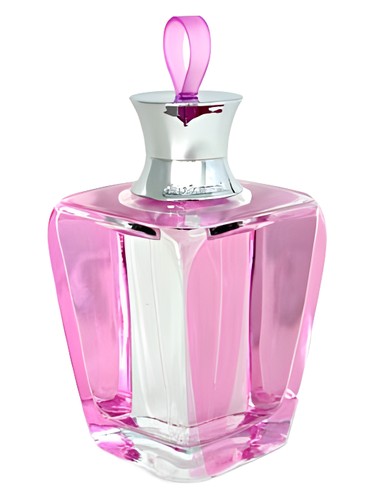
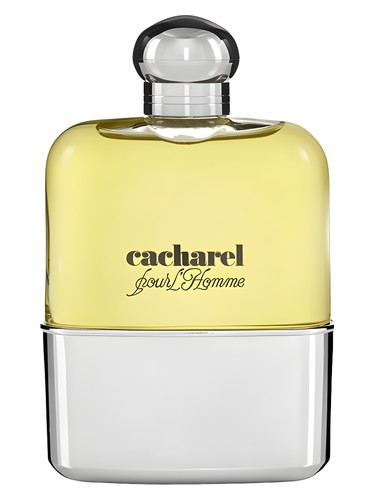
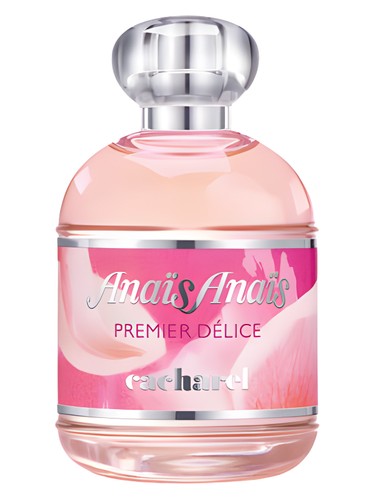
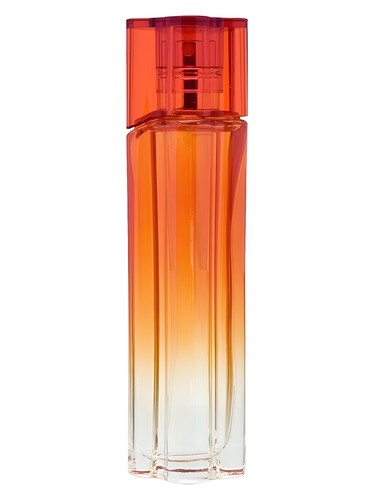
Cacharel
Explore 77 Cacharel fragrances — notes, longevity, sillage and community ratings, matched to how you want to smell. The house dates from 1962, founded by Jean Bousquet.
About the house
Cacharel began as a fashion house in Nîmes, founded by Jean Bousquet. Sources disagree on the date: one account gives 1958, while others point to 1962, the year the name was trademarked as "Jean Cacharel". Bousquet took the name from the cacharel, the wild duck native to the Camargue. The house made its name with women's shirts in prints and stripes, and Bousquet also worked with Liberty of London on floral prints.
The perfume side runs through a licence. Since 1975 the cosmetics licence for Cacharel has belonged to L'Oréal, while the company itself stays under the Bousquet family as majority shareholder.
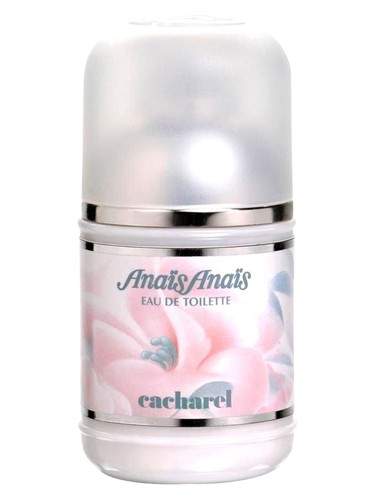
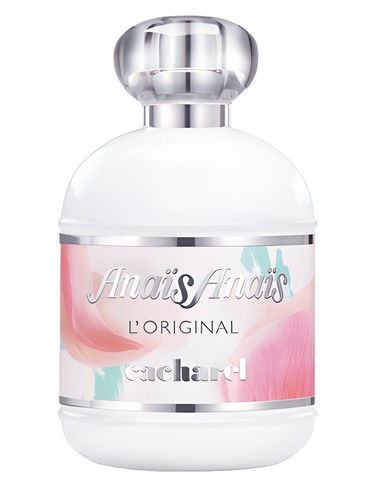
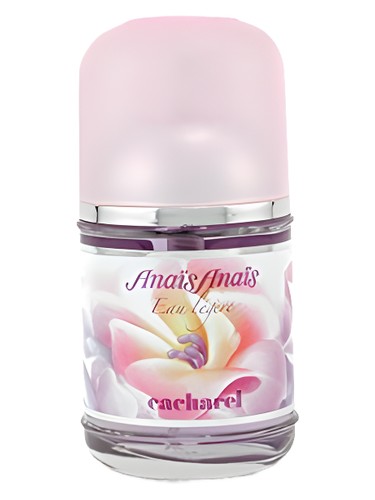
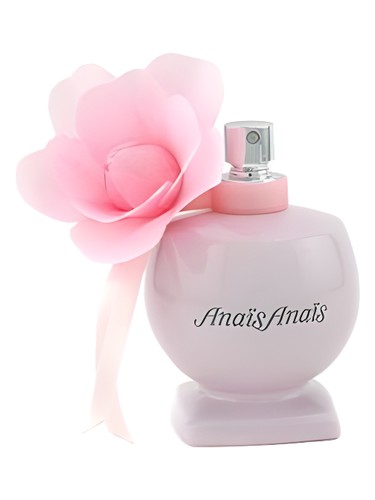
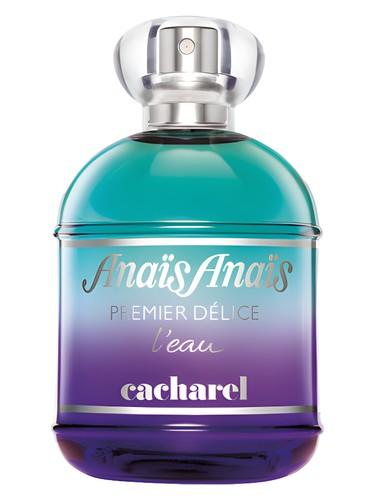
The first perfume, Anaïs Anaïs, has an unsettled record. One source dates it to 1978, another mentions a 1969 best-seller. Perfume Intelligence credits a Firmenich team of Paul Léger, Raymond Chaillan, Roger Pellegrino and Robert Gonon, while a French perfume-culture site credits Pellegrino alone.
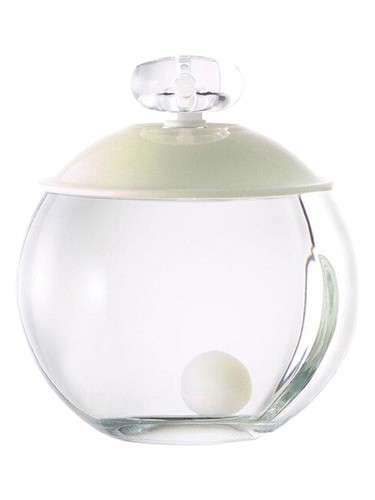
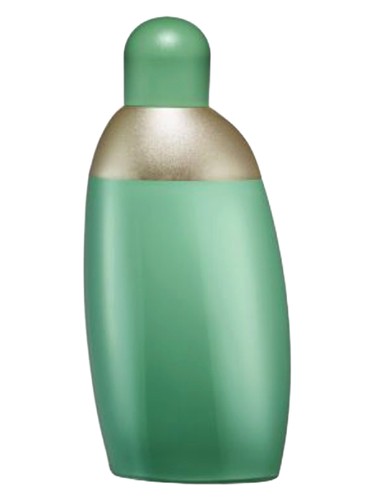
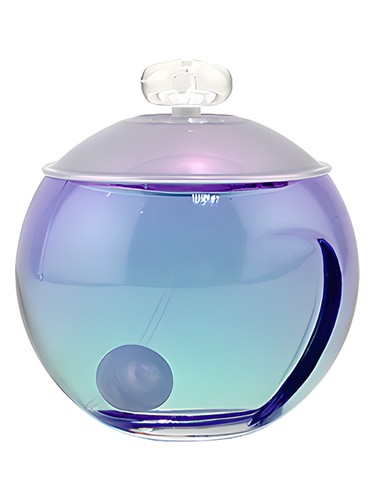
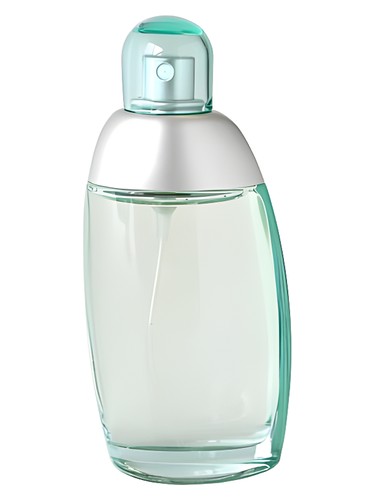
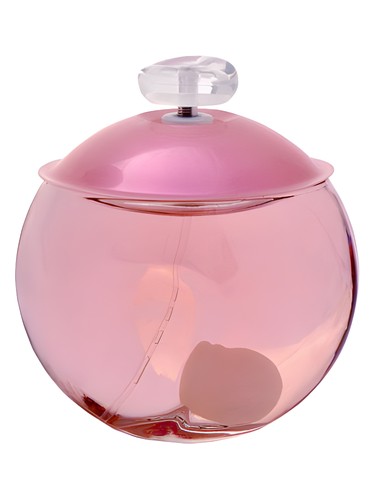
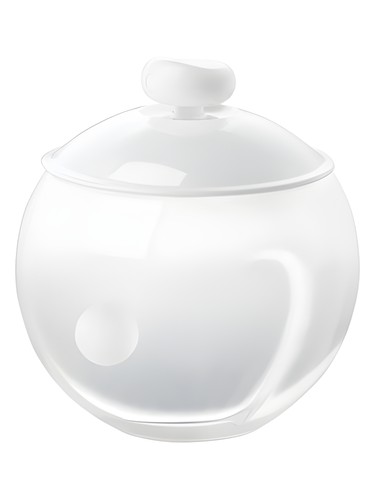
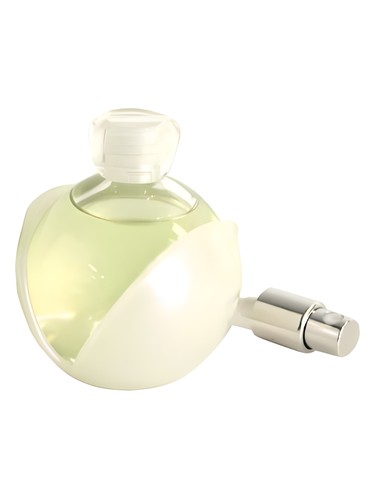
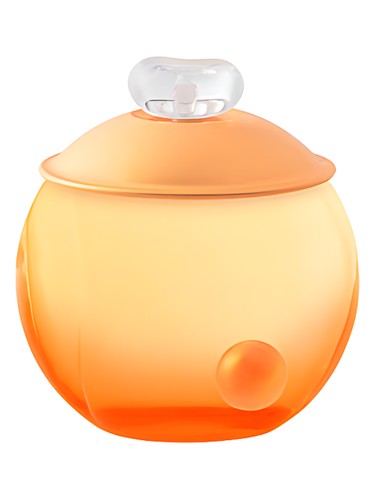
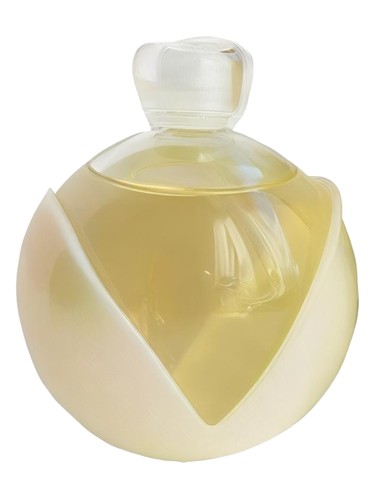
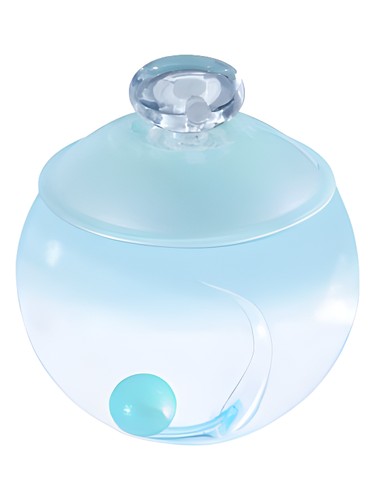
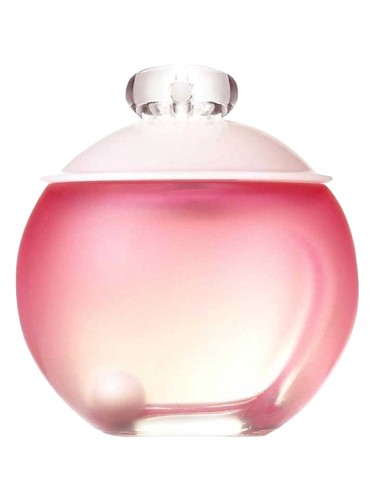
Later releases have clearer credits. Perfume Intelligence lists Cacharel l'Homme in 1981 as a spicy-citrus fougère, and Noa in 1998 as a soft, rich floral from Jean-Olivier Cresp of Firmenich, sold in a crystal sphere bottle. Eden is credited to Jean Guichard, with Perfume Intelligence giving 1994 and another account 1991.
Perfume Intelligence describes Promesse, from 2005, as the first fragrance designed specifically for the US market.
Signature notes
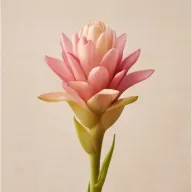
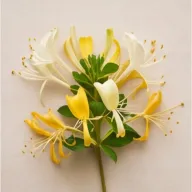
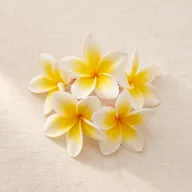
These notes show up in Cacharel fragrances at least twice as often as in the catalogue as a whole. We worked this out from each fragrance's listed notes. It is not how the house describes itself.

Best known for
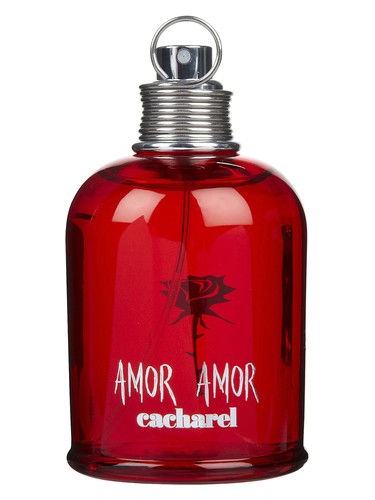
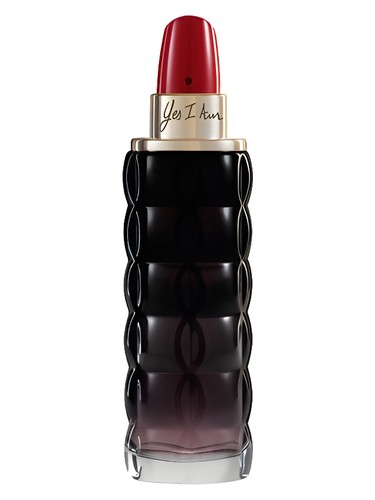
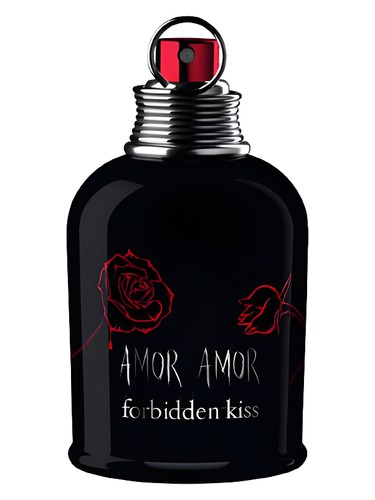
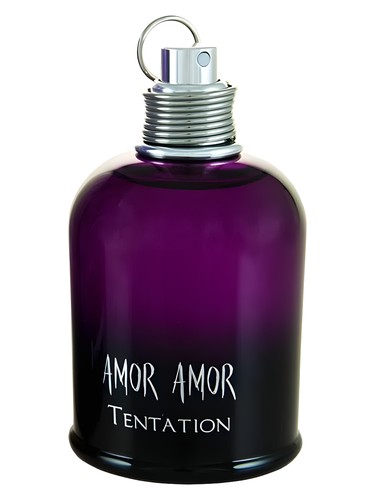
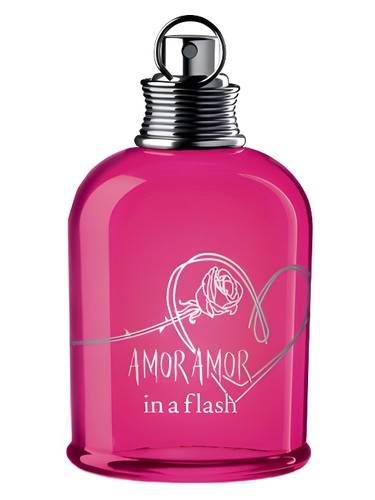
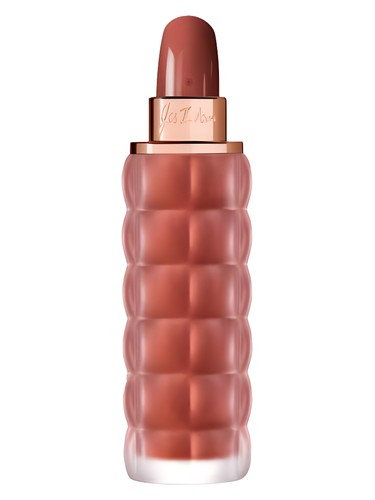
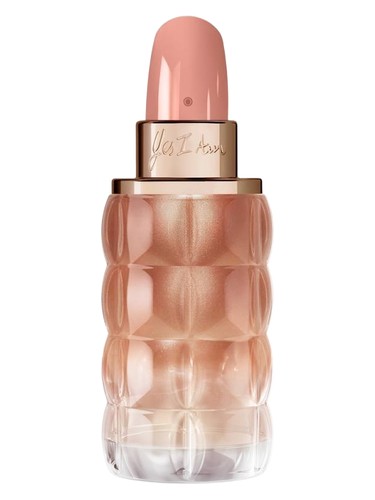
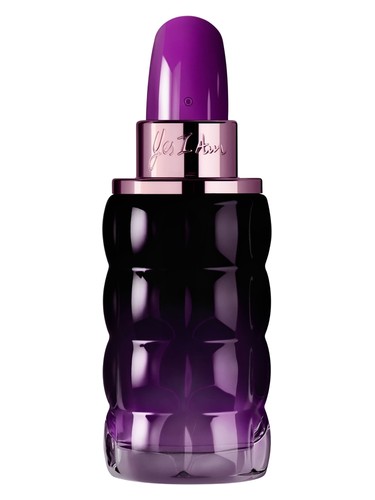
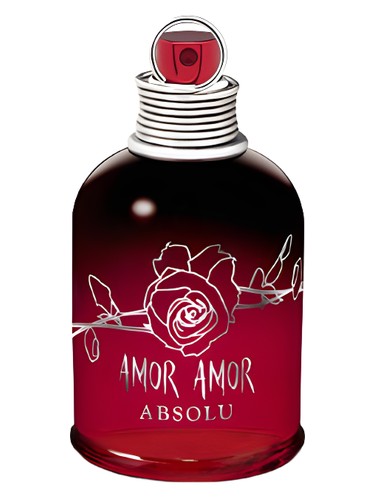
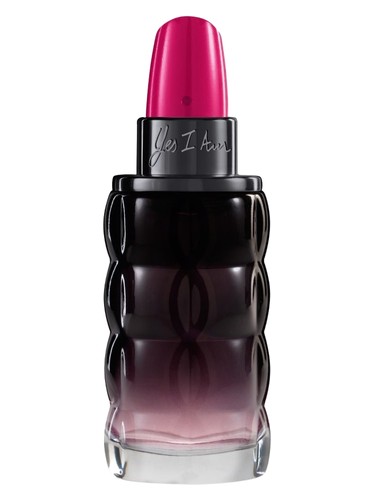
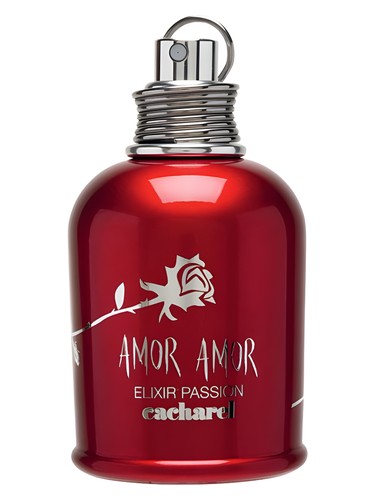
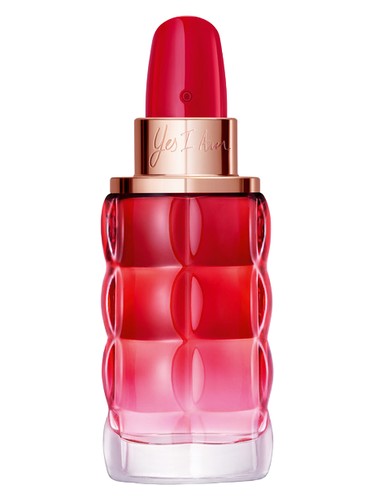
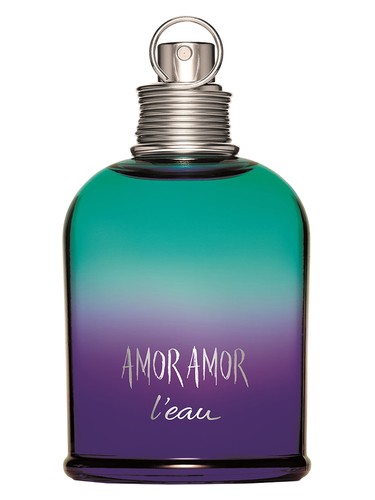
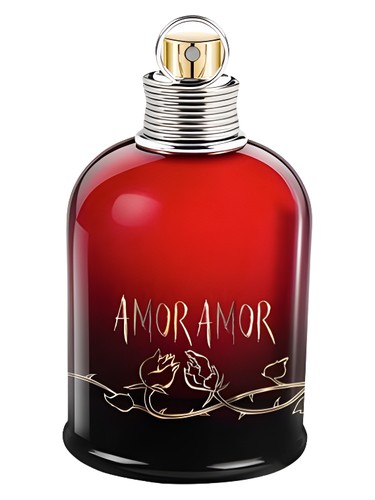
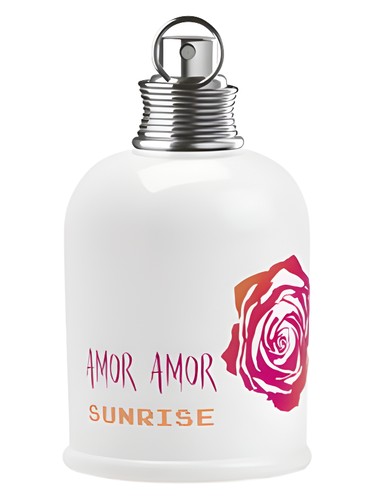
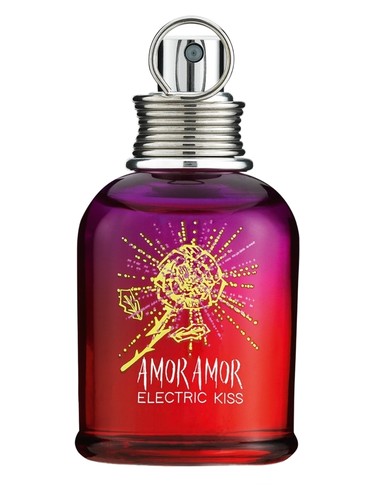
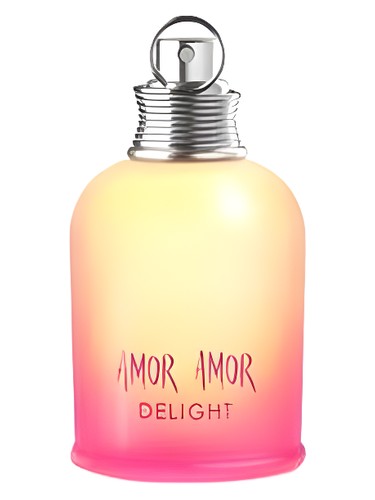
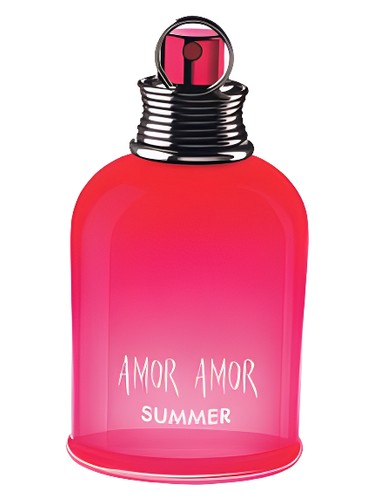
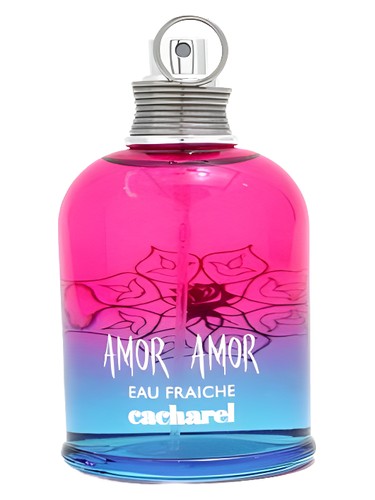
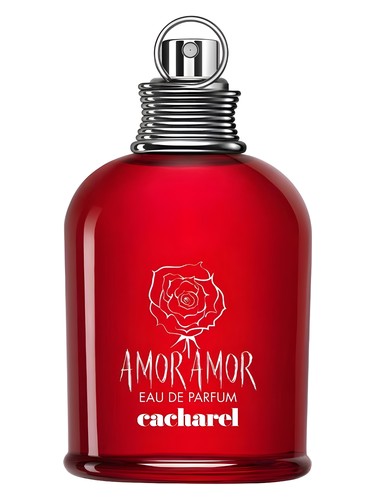
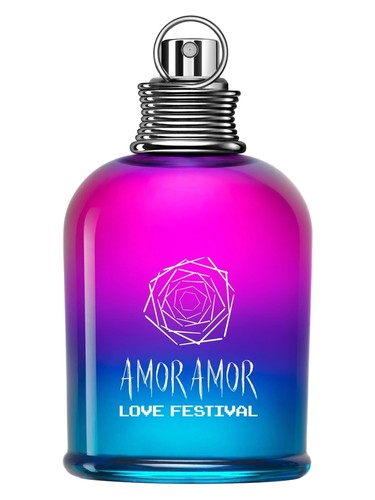
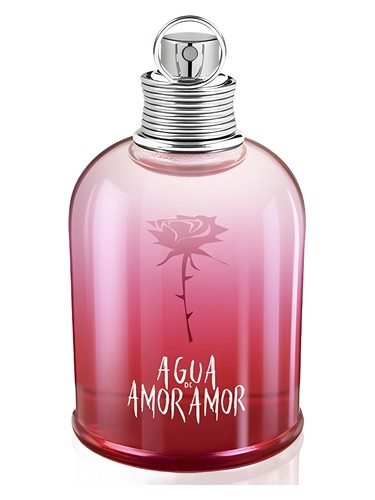
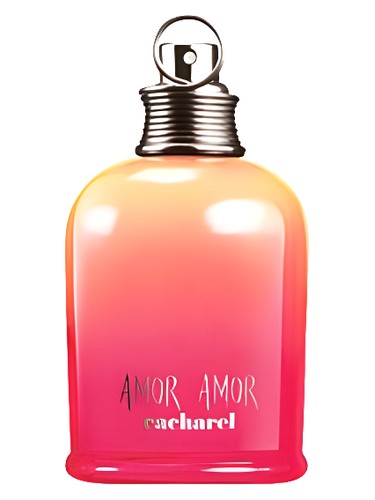
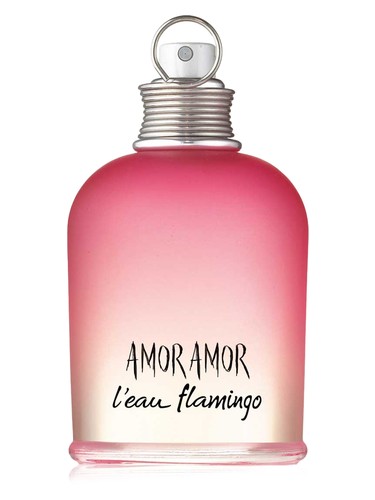
Amor Amor, Noa, LouLou, Anais Anais, Eden and Yes I Am — the most-rated in our catalogue.
Releases
From 1978 to 2025, 76 fragrances with a known year.