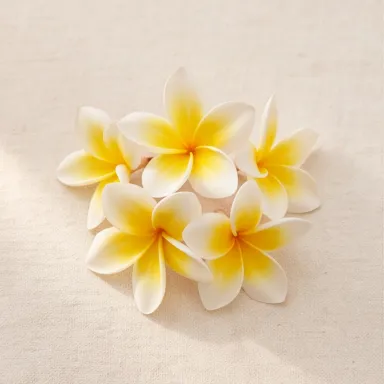
Frangipani
Creamy, sun-warmed tropical flowers with a sweet peachy scent and a faint almond-like softness.
You may know it from A fresh Hawaiian flower lei
Where it comes from
Usually rebuilt from aroma chemicals because the flowers yield little practical extract.
Botanical name: Plumeria
About frangipani
Frangipani was a perfume before it was a flower. The word reached English through French frangipane from Marquis Muzio Frangipani, a 16th-century Italian nobleman said to have invented an almond-scented perfume for gloves, and the plant took its name from that scent. The tree itself belongs to the genus Plumeria, named after the botanist Charles Plumier, who explored the tropical Americas, and it is native to Mexico, Central America, the Caribbean and northwestern South America.
The flowers are strongest at night and yield no nectar. The scent draws sphinx moths that pollinate them without any reward. The sap is a milky latex that irritates eyes and skin. The flower is the national flower of Laos, an offering in Bali and India, and the usual flower of Hawaiian and Tahitian leis.
An absolute does exist. Fresh flowers, most often Plumeria alba or P. rubra, are extracted with hexane into a concrete, which is washed with alcohol and concentrated. ScenTree describes the result as a viscous brown liquid to paste, places it as a heart note and rates it in its highest price tier. The Good Scents Company calls the white frangipani absolute a heavy, sweet floral with orange-flower and gardenia character over balsamic almond and vanilla, lasting about 52 hours on a smelling strip. Production is reported from the Comoros, India and Southeast Asia, and a supplier glossary says some producers now turn to CO2 extraction. ScenTree lists it as not restricted under the 51st IFRA amendment.
Few bottles contain it. The same glossary calls the absolute relatively rare in commercial perfumery because of low extraction yields, and adds that its esters hydrolyse to acids over time, which limits shelf life. Delacourte's perfume blog says distillation and solvent extraction fail to capture the flower's fragile scent, so most frangipani in a bottle is a reconstruction. The glossary names benzyl salicylate, hydroxycitronellal and the lactones gamma-nonalactone and delta-decalactone as building blocks; Delacourte mentions blends of natural materials with a few synthetic molecules, drawing on ylang-ylang, jasmine, vanilla, almond and benzoin.
The living flower varies by origin. In one analysis of P. rubra floral volatiles, Indian flowers contained benzyl benzoate at 22.3% and 7.9%, while a Nigerian sample had phenylacetaldehyde at 9.0%.
Accords it shows up in
How many of the fragrances listing Frangipani in our catalogue also carry each accord. We counted this ourselves.
Often paired with
The notes that appear next to Frangipani most often in our catalogue.










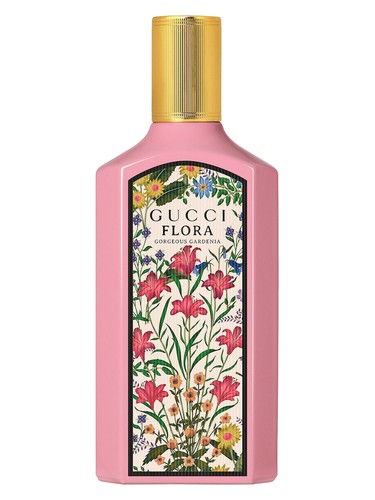
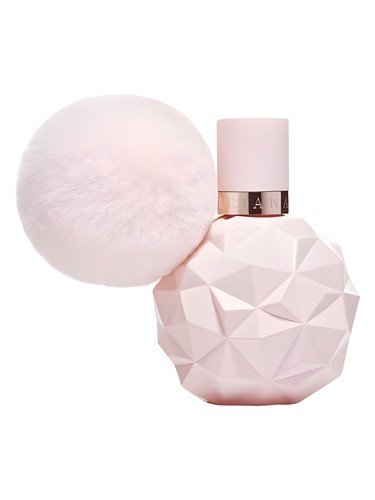
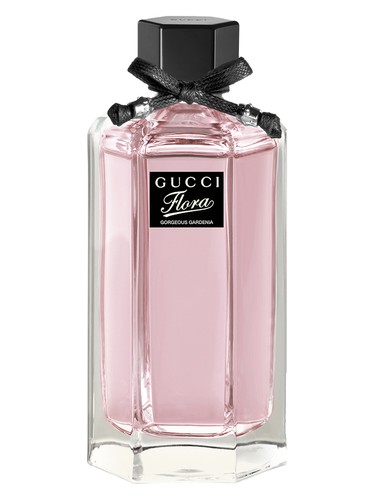
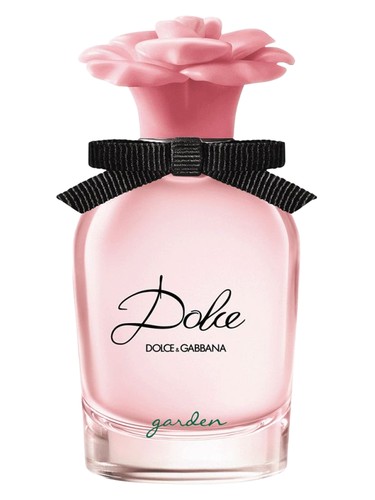
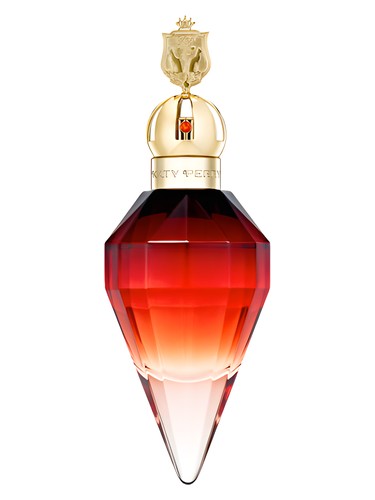
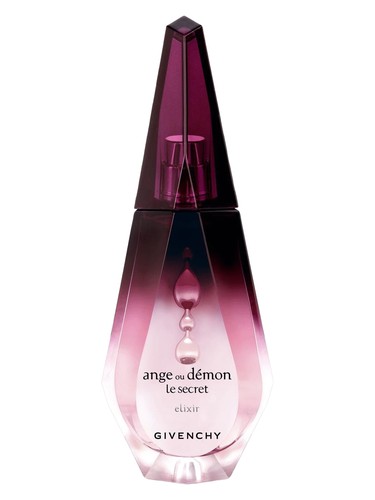
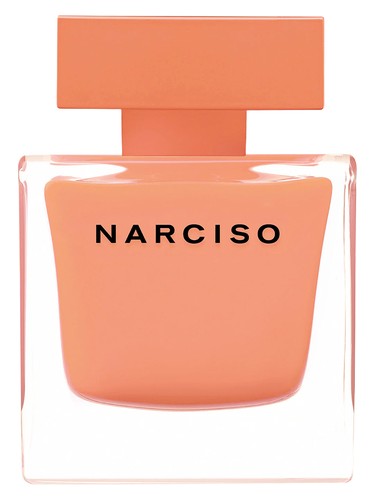
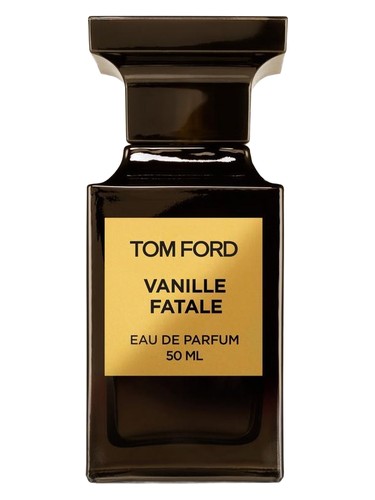
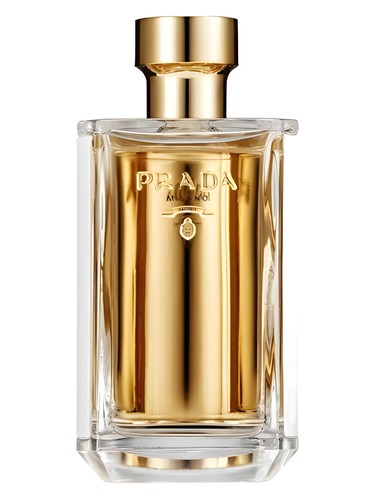
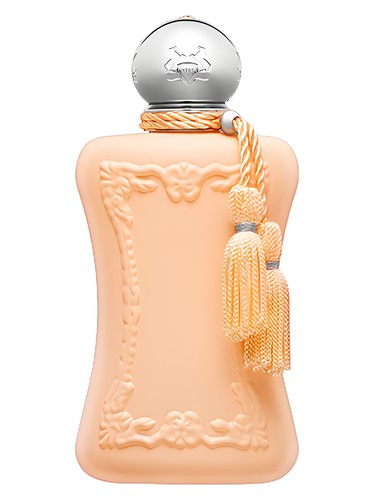
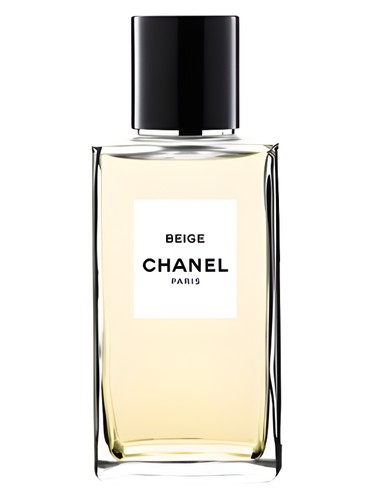
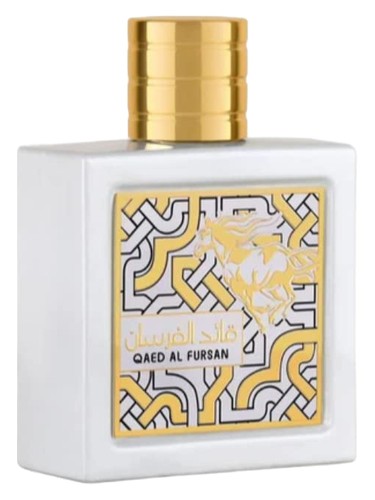
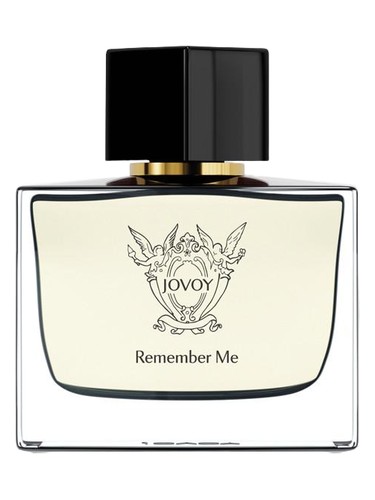
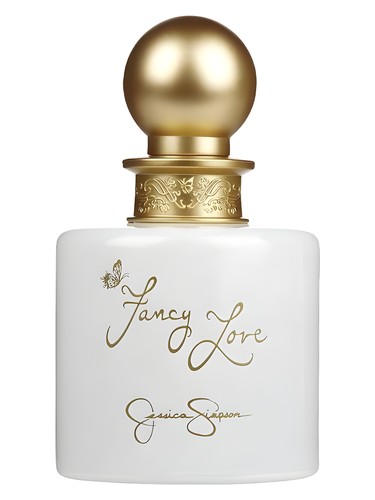
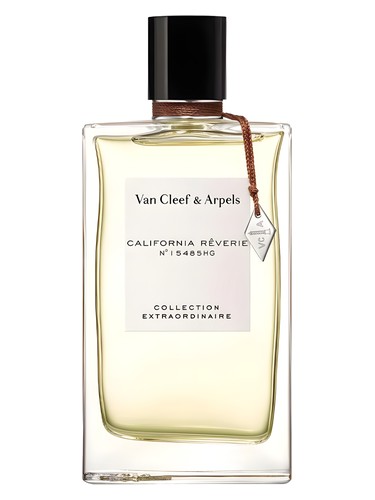
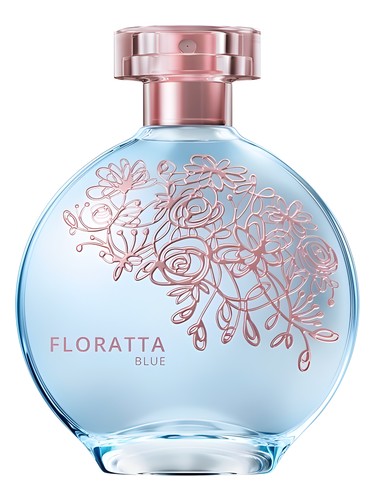
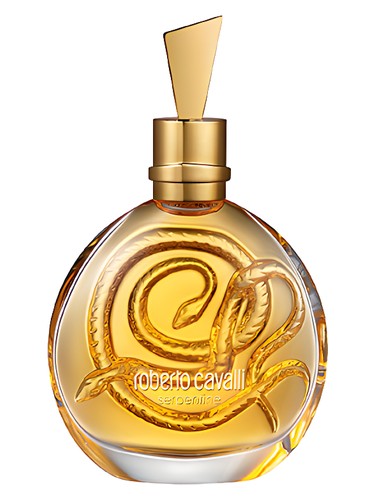
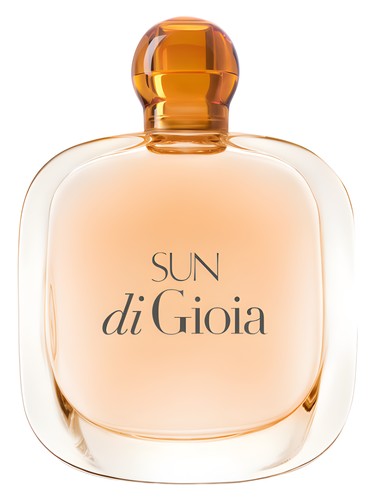
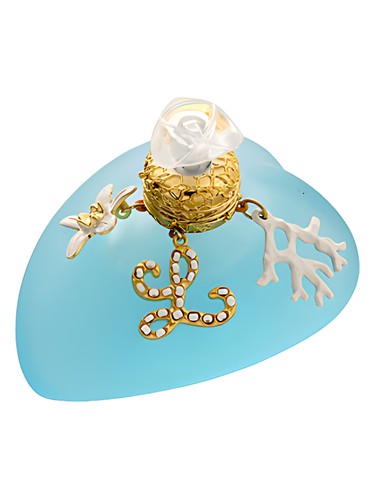
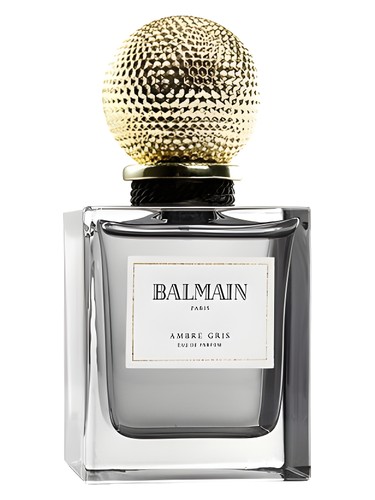
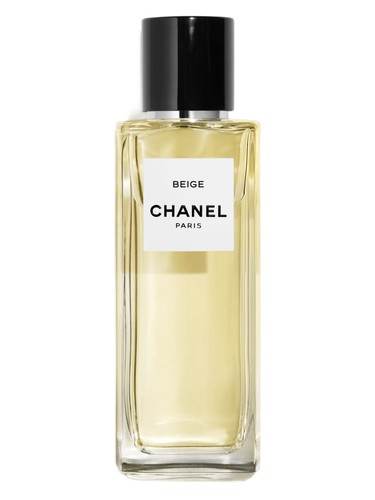
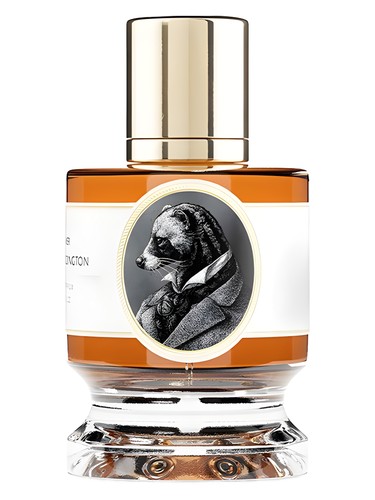
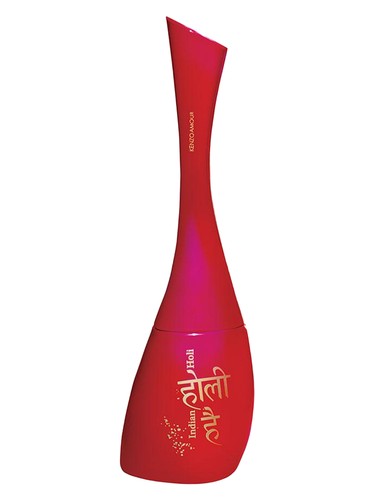
Well-known fragrances with Frangipani
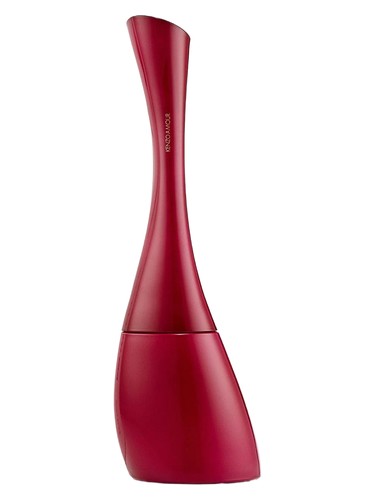
Fragrances that list it in their notes, most-rated first.
Houses that use it most
Ranked by how many of their well-known fragrances list Frangipani.