Tosca
Fragrance notes
Character
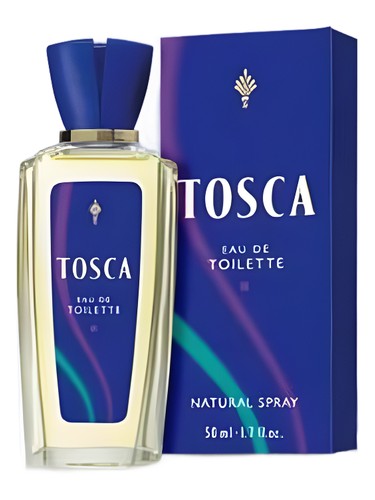
Tosca opens with a brisk, soapy slap of aldehydes and citrus that smells less like a garden and more like a freshly starched linen handkerchief pressed against a powder compact. The bergamot and lemon are sharp, almost antiseptic, but the orange blossom softens the edge into something genteel and deliberate. As the top notes settle, the heart reveals its true character: ylang-ylang and jumble up with a dusty orris root and a surprisingly sharp clove, while jasmine and rose hover in the background like polite guests waiting to be introduced. The whole affair feels slightly synthetic in the way that only a nearly hundred-year-old composition can, but that dated quality is part of its charm.
What makes Tosca worth wearing is the drydown, a warm, animalic base where civet and musk tangle with benzoin and vanilla. The amber and sandalwood provide a creamy foundation, but the civet never fully tames; it sits there like a cat that has decided to tolerate your presence. The longevity is middling at best, three hours before it retreats to a skin scent, and the sillage is similarly modest. This is not a fragrance that announces itself from across the room. It is a whisper, polite but with a knowing wink.
The overall character reminds me of a vintage brooch found at a flea market, slightly tarnished, still elegant, but not for everyone. It is perfect for a crisp spring morning or a cool autumn afternoon, worn to the office or a lunch date, but skip it if you demand projection or modern sweetness. Tosca is a museum piece that smells like a memory, and for those who appreciate the dusty, floral, animalic past, it is worth the visit.
Smells similar
Built from the same materials — ranked by how unusual the shared notes are, not by how many.