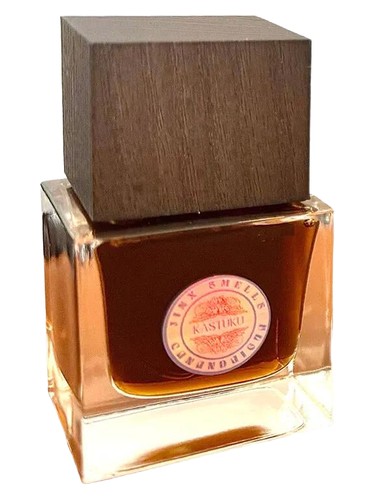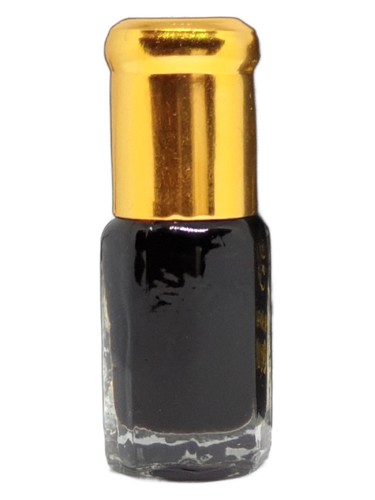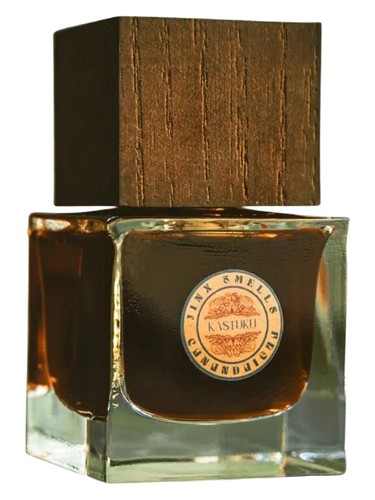
Extrait d'Osmanthus
Fragrance notes
Character
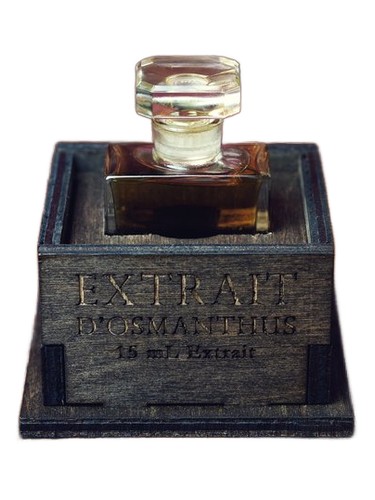
Extrait d'Osmanthus is a study in warm, creamy indulgence rather than a bright floral water. The opening apricot note arrives with a soft, sun-ripened sweetness that immediately feels rich instead of tart. It guides the composition toward a heart where osmanthus meets Peru balsam, creating a thick, resinous texture that leans heavily into the balsamic accord. This is not a scent that tries to refresh the air around you. It wraps the wearer in a dense layer of fruit and resin, suggesting a deliberate choice to prioritize comfort and depth over a light, transparent character.
The base confirms this direction with a blend of ambergris, vanilla, and natural musk that pushes the fragrance into a distinctly animalic and powdery space. The inclusion of rose adds a classic floral softness, but it is the lactonic quality that defines the drydown. These notes combine to create a skin-scent impression that feels intimate and slightly old-fashioned, like a vintage cream. The vanilla here supports the amber accord rather than dominating the profile with sugar, allowing the musk to provide a lingering, soft foundation that feels entirely appropriate for cooler weather.
Wearing Extrait d'Osmanthus is an embrace of that specific, heavy warmth, making it a perfect companion for an evening where the goal is to feel enclosed in a soft, resinous cloud. The way the apricot folds into the balsam and then settles into that musky, powdery finish creates a continuous line of richness that asks the person wearing it to simply enjoy the density of the ingredients.
Smells similar
Built from the same materials — ranked by how unusual the shared notes are, not by how many.