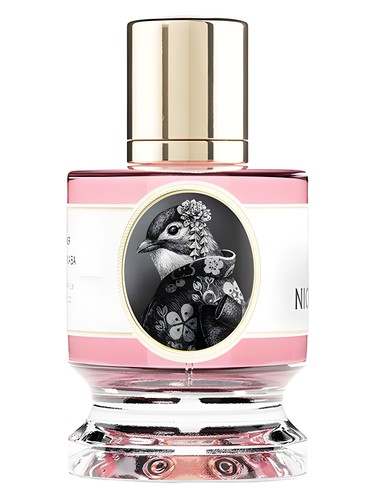
Nightingale
Fragrance notes
Character
Nightingale opens with a citrus flash that is quickly smothered by saffron’s metallic, honeyed bite. The lemon and bergamot act as a brief, bright stage before the floral heart unfurls, and here the plume of red rose and violet is not dewy or innocent, it is powdery, almost dusty, like crushed petals pressed in an old book. The plum blossom adds a faintly syrupy, jammy undertone that keeps the flowers from turning purely vintage. As the fragrance settles, the chypre structure becomes clear: oakmoss and patchouli pull things earthy, while the base notes—oud, labdanum, sandalwood—build a warm, slightly animalic muskiness. The ambergris gives a saline, skin-like sheen that lingers close.
This is a perfume that never shouts. The longevity is decent but the sillage is modest, a polite puff that stays within arm’s length. It feels natural rather than synthetic, definitely niche in its refusal to be either a simple rose scent or a loud oud bomb. The overall character is that of a damp, mossy garden after a spring rain, where a single dark rose has been bruised by a passing storm. There is a melancholy elegance here, a quiet confidence.
Nightingale suits someone who loves intricate, moody florals and can appreciate a restrained, cerebral wear. Skip it if you want a big, projecting statement or a fresh, crowd pleasing floral. Wear this on a cool, overcast spring afternoon, or for a dimly lit evening where you want to feel enigmatic rather than radiant. It is beautiful but fragile, and that fragility is its quiet power.
Smells similar
Built from the same materials — ranked by how unusual the shared notes are, not by how many.