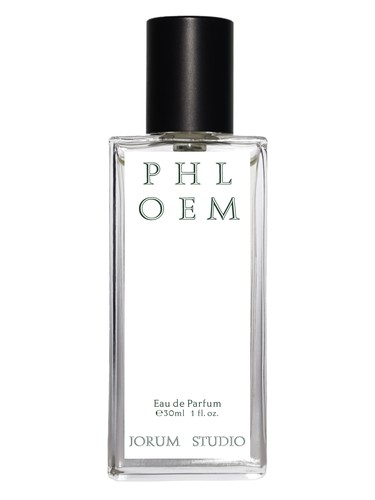
Phloem
Fragrance notes
Character
Phloem opens like a kitchen experiment gone wonderfully wrong, mulberry and blueberry bleeding into a briny oyster note that smells less like seafood and more like the damp underside of a seaside rock. The rhubarb slices through with a sour green snap, while sesame and ambrette add a fuzzy, nutty warmth that keeps the whole thing from veering into cheap fruit punch territory. As it settles, honeysuckle and camellia float up like steam from a forgotten cup of tea, and a base of tonka and amyris gives it a soft, almost woody cradle.
This fragrance feels like a greenhouse that was built too close to the ocean, condensation on the glass, mud on the floor, a half-eaten passionfruit rotting on the bench. It is strikingly natural, almost wilfully niche, and wears very close to the skin, which might frustrate anyone expecting a declaration. The sillage is modest and the longevity hovers around solid but not spectacular, which fits its character as a personal, introspective scent rather than a room filler.
It suits the person who wants to smell like a living ecosystem, not a perfume counter. Spring and summer days are its natural habitat, though it works for a cool autumn afternoon when you want something that feels damp and alive. Skip it if you dislike savory notes sneaking into your fruit bowl, or if you need your fragrance to announce itself before you walk through the door. This one whispers, and it expects you to lean in.
Smells similar
Built from the same materials — ranked by how unusual the shared notes are, not by how many.