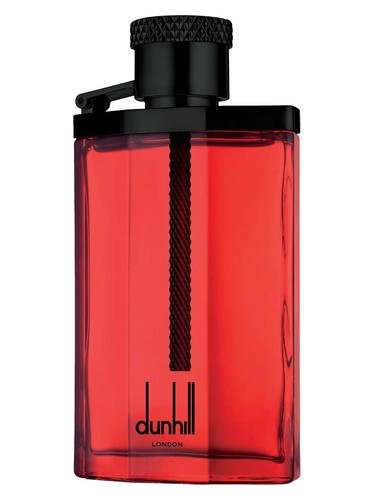
Desire Extreme
Fragrance notes
Character
Desire Extreme opens with a bright, almost jolt of blood orange and bergamot, but the saffron quickly threads through to signal this is not a citrus romp. The heart is where the fragrance finds its character: cypress and clary sage offer a green, slightly medicinal bite that feels like walking through a damp forest just after a storm. Then the base arrives with leather, patchouli, and amber, thick and warm, but the vetiver keeps it from tipping into cloying sweetness. The overall impression is that of a worn leather journal left open on a desk in a cabin, pages curling from humidity, the ink still faintly metallic.
This is a heavy, earthy, and slightly animalic scent. It feels more mainstream than niche, but the metallic edge and the rough patchouli give it a roughness that saves it from becoming a generic department store leather. The numbers back up the experience: longevity sits at a respectable but not outstanding three and a half hours, and sillage stays close, more a whisper than a shout. It works best in the cold, with winter and fall pulling the highest votes, and it leans heavily toward night wear, especially for moody evenings or date nights under a coat.
Who should wear it? Men who want leather without the synthetic gloss, who appreciate a touch of grit. Skip it if you prefer fresh, airy scents or avoid anything with that animalic, almost barnyard undertone. It is not for the office or a sunny brunch. For a winter evening, when you want to smell like someone who has been somewhere, it hits the mark, even if it won't fill a room.
Smells similar
Built from the same materials — ranked by how unusual the shared notes are, not by how many.