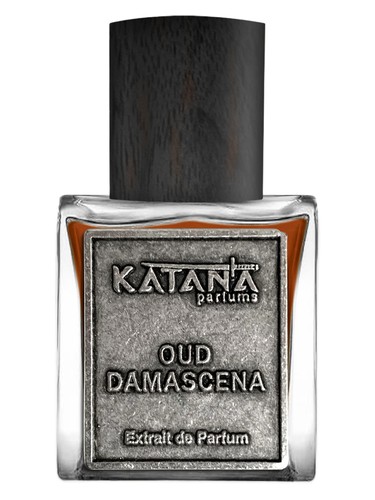
Oud Damascena
Fragrance notes
Character
A wood-fired hammam in late autumn, the heat thick enough to bead on skin, and someone has just placed a bowl of whole yuzu beside a brass brazier. The peel splits in the steam, bright and acrid, while a handful of crushed Damask rose petals hits the hot coals and sends up a sharp, dusty floral edge. No one is trying to make it pretty. The rose here is stem, earth, and a faint metallic bite, pushed forward by a curl of smoke that does not smell of burning wood but of heated resin and dark bone. Oud enters not as a loud statement but as a low vibration in the air, animalic and slightly sour, sitting close to the nose like damp wool. Ambergris smooths the angles without removing the weight, lending a salt-tanged softness that keeps the air from feeling dry. This is not a fragrance that decorates a room. It occupies it, folding citrus sharpness into flower and wood until the three stop behaving like separate notes and start behaving like a single, heavy atmosphere. You do not wear it to be noticed. You wear it because the air tastes better with a little smoke in it and the rose refuses to behave.
Smells similar
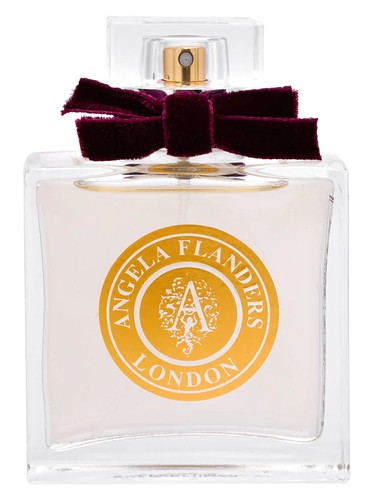
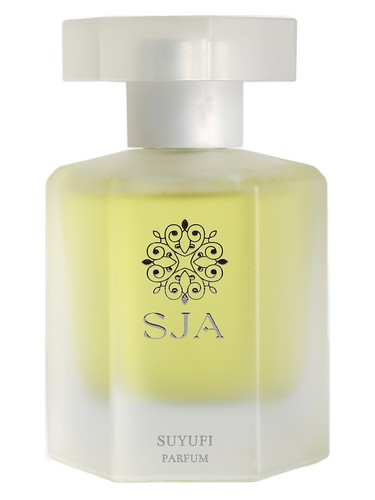
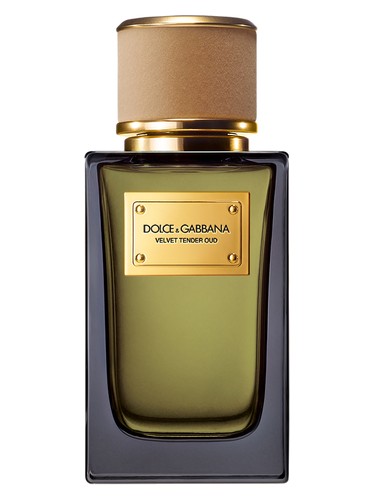
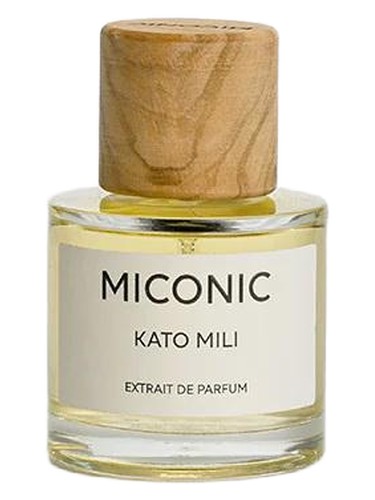
Built from the same materials — ranked by how unusual the shared notes are, not by how many.