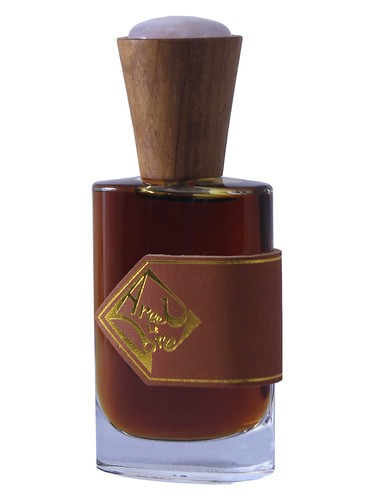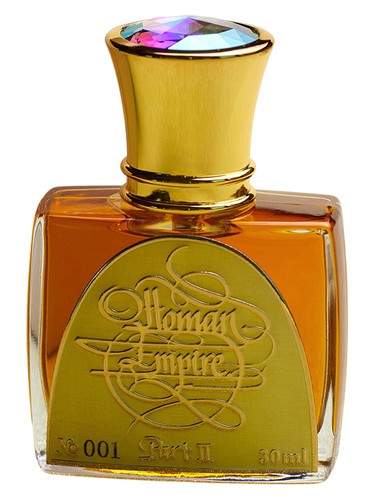
Ottoman Empire Part II
Fragrance notes
Character
A low table sits in a courtyard lit only by a single hanging lantern. The air carries white rose and frangipani, their petals crushed near a bowl of cardamom and pepper. Jasmine floats above the stone, bright and fleeting, while Bulgarian rose and rose oil settle into the warm skin of the wrist. The opening feels alive, a garden caught in the breath between two people before the night deepens and the conversation turns inward.
Indian oud and agarwood rise from the heart, heavy and resinous, wrapped in saffron that glows against cinnamon and nutmeg. Frangipani returns here, softer now, bridging the florals to vetiver's dry green edge. The spices do not shout. They move slowly, clinging to sandalwood and amber as myrrh adds a quiet bitterness. Oakmoss grounds the base, earthy and cool, pulling the entire composition toward a shadowed, meditative stillness that feels carved from old wood and stone.
The limitation sits in the amber and myrrh, which lean so far into resin that the air turns thick and slightly cloying. Rose and oud struggle to breathe beneath that weight, and the florals lose their shape. It is a fragrance that demands patience and a tolerance for heavy, unwavering resin, because the drydown offers no lightness once the spices fade.
Smells similar
Built from the same materials — ranked by how unusual the shared notes are, not by how many.