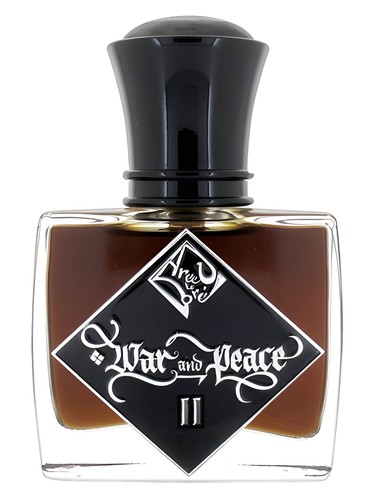
Russian Oud II
Fragrance notes
Character
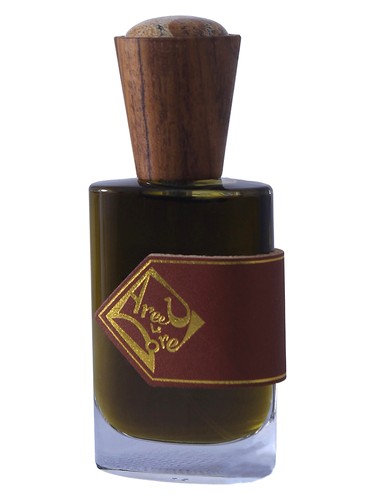
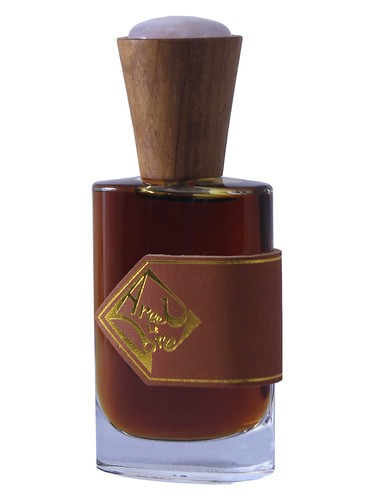
Areej Le Doré’s Russian Oud II opens with a slap of unapologetic animalics, natural musk and ambergris smudging together like warm skin and salty tide pools left to fester in a cedar chest. That initial blast is confrontational, feral even, but patience reveals the genius: a thick, bitter cacao pod unfurls in the heart, not sweet like dessert but dark as crushed roasted beans, tangled with Indian oud that smells of fermented leather and old barn wood. The base of resins and cedarwood dusts everything in a powdery, balsamic amber haze, drying down into a velvety, almost melancholic warmth that clings close to the skin. Sillage sits moderate at 3.27, so this is an intimate presence, not a room clearer, but longevity is strong, easily eight plus hours.
Picture a worn leather armchair in a smoke-soaked library, a half-drunk cup of bitter cocoa sweating on a side table, while a fur coat draped over the back still carries the scent of a cold night outside. That is Russian Oud II, heavy and sweet in the best animalic way, leaning gourmand without going edible, but with a distinct barnyard edge that will polarize. It is unabashedly niche, raw, and natural smelling, a composition where every ingredient feels alive and slightly dirty. Who should wear it? Winter souls who want to smell like they’ve been wrestling bears in a cacao grove, and who appreciate oud that snarls rather than purrs. Skip if you favor crisp laundry musks or shy away from anything that might whisper “ferment.” Best worn on a freezing December evening, a scarf wrapped around your neck, the fragrance acting as a hidden coal stove against the chill.
Smells similar
Built from the same materials — ranked by how unusual the shared notes are, not by how many.