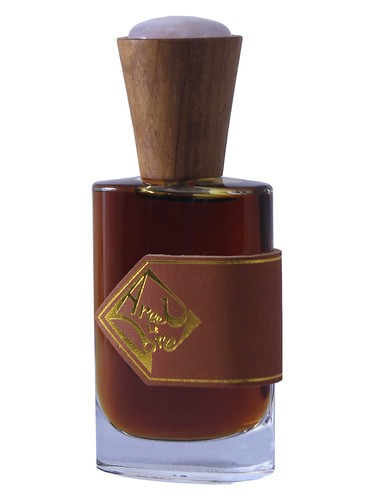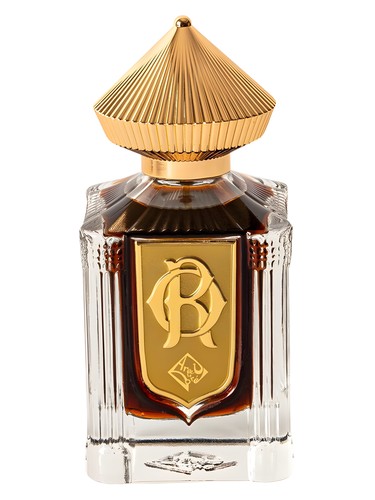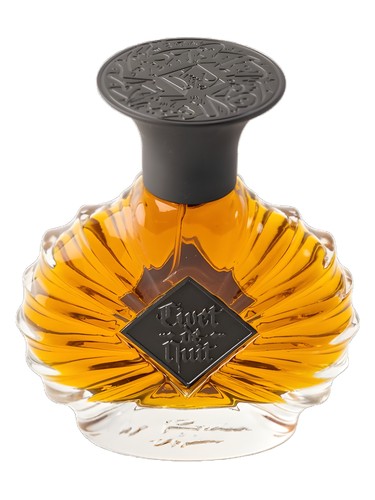
Civet de Nuit
Fragrance notes
Character
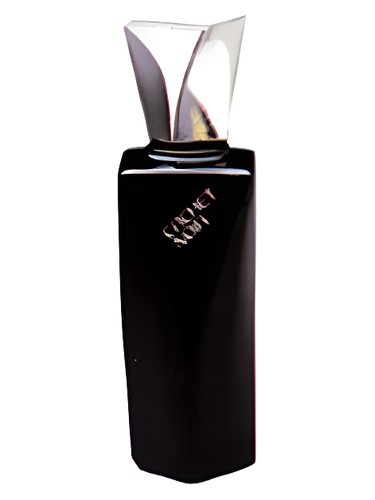
Civet de Nuit opens with a startling slap of aldehydes, sharp and champagne bright, but quickly the heliotrope wraps itself around that fizz like a powder puff dipped in almond cream. The heart is where this fragrance earns its keep: real civet, not the sanitized approximation, all warm fur and ripe animalia, tangled with night blooming jasmine that smells both honeyed and slightly bruised, and a ylang-ylang that adds a tropical butteriness. The drydown is a sprawling base of Mysore sandalwood, tobacco leaf, castoreum’s leathery bite, and a resinous amber pit of labdanum, styrax, benzoin, and oakmoss. It feels like pulling an old velvet opera cloak from a cedar chest and finding a live badger asleep in the lining: regal, filthy, and completely alive.
This is not a subtle scent. The sillage sits comfortably close, a modest 3.07 out of five, but the longevity stretches through a full workday and beyond, and the sheer density of notes means it never fades into a flat ghost. It wears as a sweet, animalic, powdery amber that feels both vintage and confrontational, niche in the purest sense: crafted by Russian Adam and Sultan Pasha with no concessions to mainstream freshness. Who should wear it? Anyone who mourns the loss of classic Guerlain or Caron’s unapologetic fur and knows the difference between musk and shyness. Who should skip it? Those who think clean laundry is a personality and turn their noses at anything that smells like a mammal. Wear it in the deep fall or winter, preferably at night when the cold air makes its warm, dirty embrace feel like a secret whispered in a dark bar.
Smells similar
Built from the same materials — ranked by how unusual the shared notes are, not by how many.