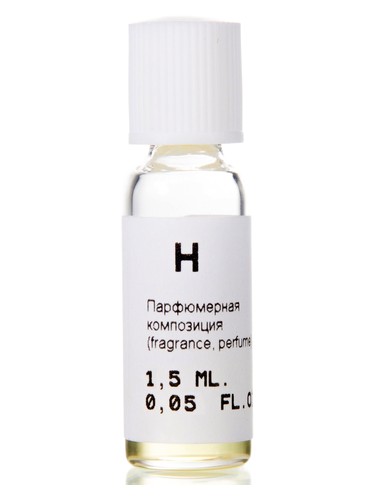
Chinese Oud
Fragrance notes
Character
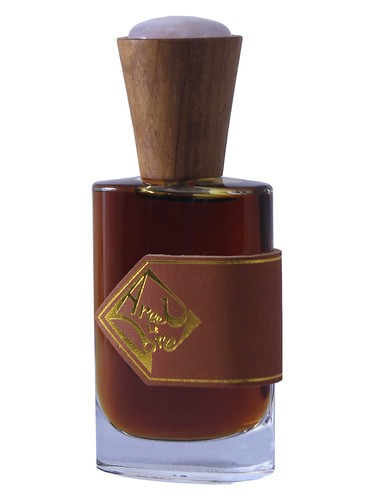
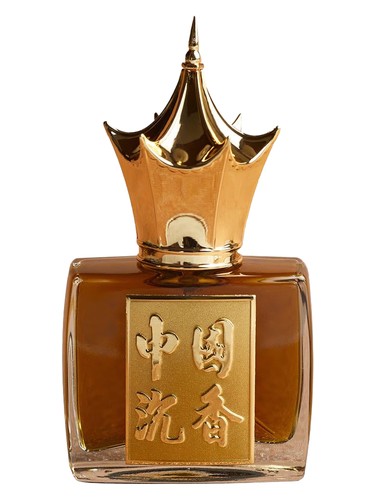
The opening of Chinese Oud is a citrusy slap that could wake the dead, sweet orange and bergamot leavened by aldehydes into something fizzy and slightly retro. That brightness doesn’t last long. Within minutes, the agarwood elbows its way forward, not the barnyard bombast of a Thai oud but a smoother, almost lacquered woodiness that Russian Adam has sanded to a polished sheen. Rose, jasmine, and gardenia weave through the oud like silk ribbons tied around a mahogany post, a white floral counterweight that keeps the composition from turning too stern. As the perfume settles, patchouli and oakmoss take the stage into a deep, earthy bassline, while vanilla and sandalwood soften the edges just enough to prevent it from feeling like a lecture in oud history.
This is a fragrance that wears like a vintage brocade robe found in a forgotten Shanghai apothecary, heavy with dust and honey. It is unapologetically natural, thick textured, and utterly niche in its refusal to court the mainstream. With longevity that pushes past eight hours but sillage that hovers close to the skin, it trades projection for intimacy. That moderate sillage is its one honest weakness. It suits the patient collector, someone who enjoys the slow burn of a complex resin rather than a burst of compliment bait. Skip it if you want a fresh, airy everyday scent or if white florals give you a headache. Fall and winter evenings are its proper habitat, whether you are curled up with a book or stepping into a dimly lit bar. One wears this oud, not the other way around.
Smells similar
Built from the same materials — ranked by how unusual the shared notes are, not by how many.