The History of Indian Oud
Fragrance notes
Character
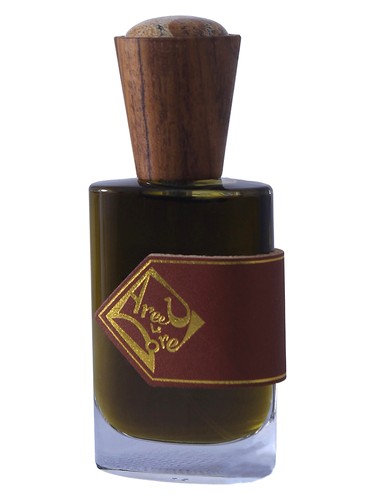
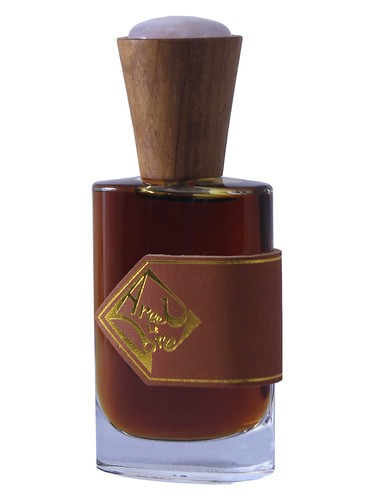
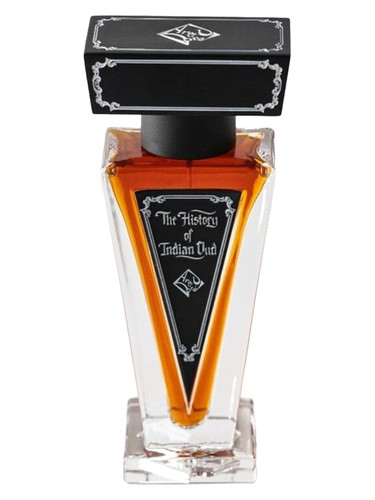
Is this the real thing or just another woody shortcut. Areej Le Doré offers a study of Indian oud that feels rooted in the material rather than built around it. There is a fresh spicy accord running through the resin, bright enough to keep the wood from sitting flat. It reads as a raw ingredient presented with care, not a polished theme park version of the East.
The scent belongs in a dim room with heavy curtains and low conversation. It carries the weight of old timber and warm resin, the kind of air that feels private and slightly formal. You do not wear it to be noticed by a crowd, but to feel anchored in a space that moves slowly and asks for attention.
This is not a casual daily choice for someone who prefers clean laundry and bright citrus. It suits a wearer who already knows oud and wants the grain of the wood itself, not a sweetened interpretation. If your shelf leans toward transparent modern blends, this will feel dense and unyielding.
The limitation is reach. The fragrance stays close and speaks in a low voice, so it will not work when the goal is a bold entrance or a wide impression. It asks the person near you to lean in, and that demand will not suit every mood or every wearer.