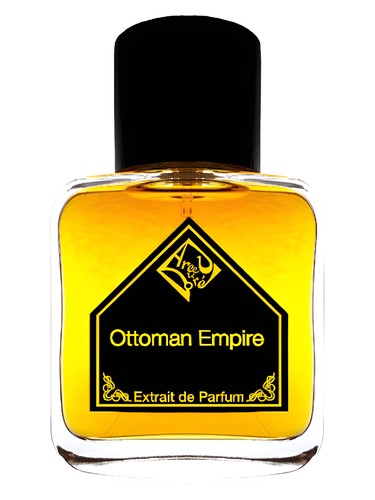
Ottoman Empire
Fragrance notes
Character
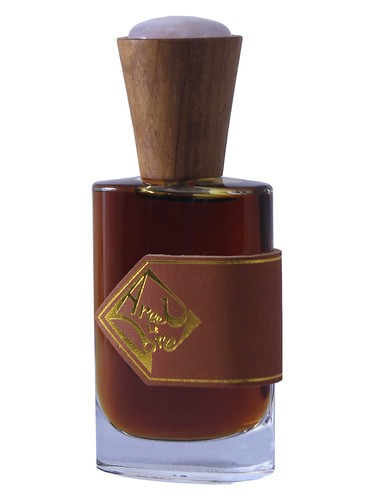
Ottoman Empire asks patience from anyone who prefers a light touch. The opening arrives heavy with pepper and cardamom, and four distinct roses crowd the air at once. Frangipani and jasmine add creaminess that some will find excessive before the spices settle. This density is the point. Composed by Russian Adam, the fragrance builds a case for oud as a centerpiece rather than an accent. Indian oud and saffron drive the heart, supported by vetiver, cinnamon, and nutmeg, and the blend feels intentional. Sandalwood, oakmoss, myrrh, and amber hold the base together with a mossy, earthy weight. The scent stays present through a long evening and draws attention without overwhelming a room, thanks to the resinous woods and the steady spice.
The argument for wearing it rests on its texture. This is for someone who wants a floral fragrance that refuses to be delicate. The rose here is dark and oil-rich, anchored by aromatic spice and a woody depth that keeps it grounded. It suits a person who enjoys traditional materials handled with care, and who does not mind a scent that announces itself clearly. Those who shy away from heavy resins or who want something airy and modern should look to a different shelf. The cardamom and pepper give it a fresh spicy lift, but the overall impression remains rooted in warm, amber-heavy earth.
Picture walking through a stone courtyard at night while rain has just passed, the ground still dark and scented with damp moss, and a single lantern casting a warm glow against the wet walls.
Smells similar
Built from the same materials — ranked by how unusual the shared notes are, not by how many.