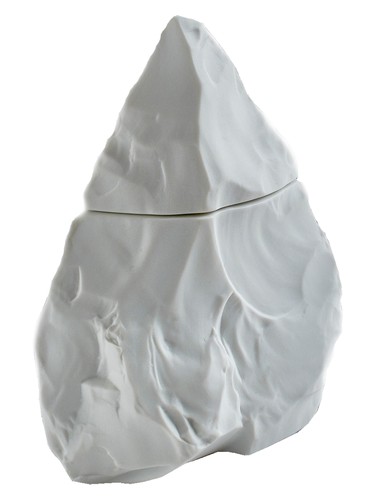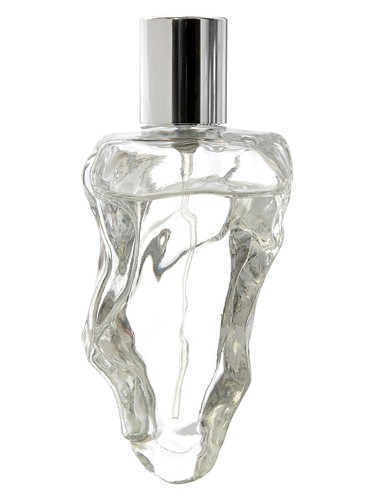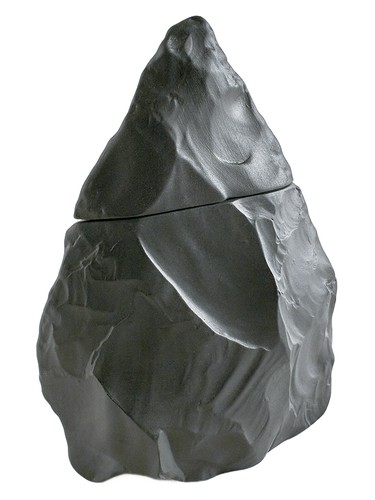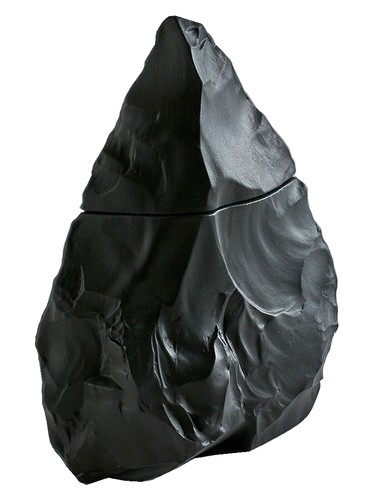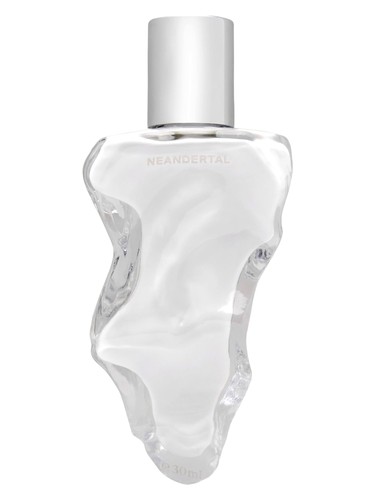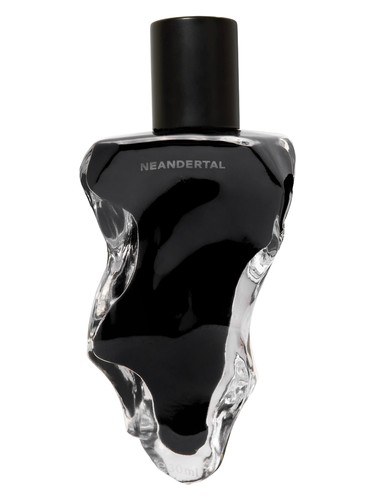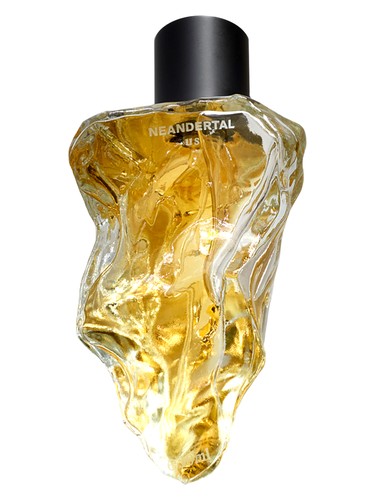
Us
Fragrance notes
Character
You open a bottle of Neandertal Us and it’s like walking into a cave that’s been burning incense for a thousand years: smoky, resinous, and unapologetically raw. The top notes hit with a sharp, almost medicinal blast of black pepper and eucalyptus, brightened by a fleeting citrus flicker that vanishes before you can decide if you like it. That’s the hook. The heart settles into a warm, peppery incense wrapped in cardamom and a ghost of rose, but this rose isn’t pretty – it’s dried, dusty, crushed under the weight of geranium and smoke. The drydown is the real story: a dense, leathery tangle of cade oil, vetiver, oud, and hyrax, with moss and myrrh sanding off the edges. It’s heavy, earthy, and deeply natural-smelling, like a niche experiment that refuses to apologize for its existence.
The image that sticks is a tar-black river running through a petrified forest. This isn’t a fragrance you wear to be liked; it’s a fragrance you wear to be felt. The sillage is a whisper, barely 2.71 out of 5, which is actually a mercy given how dense it is – you’ll huff your own wrist all day. Longevity holds decent at nearly 4, but it clings close. Who should wear it? Someone who loves smoky oud, animalic resins, and doesn’t mind smelling like a damp archaeological dig. Skip it if you want compliments or anything sweet. Best in fall and winter, but spring’s cool air lets it breathe without suffocating. Daytime? Maybe not – this is a nighttime smolder, a coat-and-candlelight scent for introverts who like their presence noticed without being shouted. One rhetorical question: can a fragrance smell like it remembers the Pleistocene? Us does.
Smells similar
Built from the same materials — ranked by how unusual the shared notes are, not by how many.