Peau D'Espagne
Fragrance notes
Character
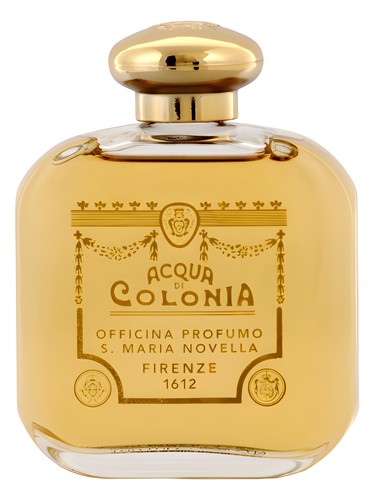
Peau D'Espagne, launched in 1901, opens with a fragrant slap of carnation and jasmine softened by bergamot’s citrus fizz. This is no clean, airy floral; the white blooms are dense and slightly powdery, like petals pressed into an old ledger. Within minutes, the heart emerges with hawthorn’s bitter greenness, Virginia cedar’s dry sawdust, and a whisper of neroli that keeps the whole thing from tipping into pure smoke. Violet leaf adds a cool, almost metallic edge, a foil to the warmth gathering below. Then the base arrives: birch tar and civetta. The leather accord is not polished or suave; it is raw, tarry, and deeply animalic, furred with musk and a dusting of vintage powder.
This fragrance feels like opening a wooden chest in a pre-war Florentine workshop, the inside lined with cracked leather and faintly stained with ink and sweat. It is heavy, natural in its complexity, and utterly niche in its refusal to flatter modern tastes. The longevity is respectable at just under four hours, the sillage moderate, clinging close to the skin like a stubborn memory. Is this for everyone? Absolutely not. It suits those who crave authenticity over allure, who want their leather gritty and their florals dusty. Skip it if you expect a clean office scent or any hint of sweetness. Wear it in deep autumn or winter, for a rainy evening walk or a quiet whiskey at a dark bar. Peau D’Espagne demands patience but rewards it with a story you can feel on your collar the next morning.
Smells similar
Built from the same materials — ranked by how unusual the shared notes are, not by how many.