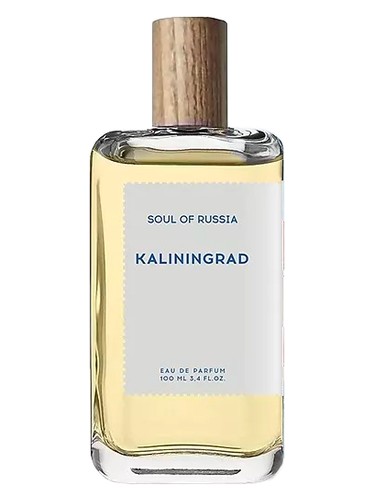
Kaliningrad
Fragrance notes
Character
Kaliningrad opens with a blur of violet petals pressed against cool, wet stone, black pepper and cardamom adding a gentle prickle of darkness before the water notes wash through like a wave receding from a grey Baltic shore. The heart pairs clary sage with lavender, but not the crisp, herbaceous lavender of a French field, something softer and more powdery, like dried flowers pressed inside a forgotten book. Then tonka, musk and amber settle into a warm, faintly vanilla-scented murmur against the skin, sweet but restrained, as though the fragrance has already begun to fade before you finish noticing it.
This is a ghost of a perfume, a pale watercolor sketch rather than a vivid portrait. The aromatic violet and aquatic freshness promise spring and fall mornings, and the numbers confirm those seasons suit it best, yet the longevity and sillage ratings tell a blunt story. It hovers barely an arm’s length away for less than two hours, then vanishes into a private whisper of musk and powder, requiring reapplication if you want it to follow you through the day. That makes it feel natural enough, like a brief encounter with damp violets after a shower, but frustrating for anyone hoping for presence or projection.
This scent suits someone who values a quiet, introspective moment, a person content to catch their own sleeve now and then on a rainy afternoon. It works best during a daytime walk in early spring or late fall, when the air carries its own moisture and the softness feels intentional rather than insufficient. Skip it if you want to be noticed, or if you believe a fragrance should last past lunch. Who wears a perfume that evaporates like morning mist? Only those who enjoy the act of reapplying as much as the scent itself.
Smells similar
Built from the same materials — ranked by how unusual the shared notes are, not by how many.