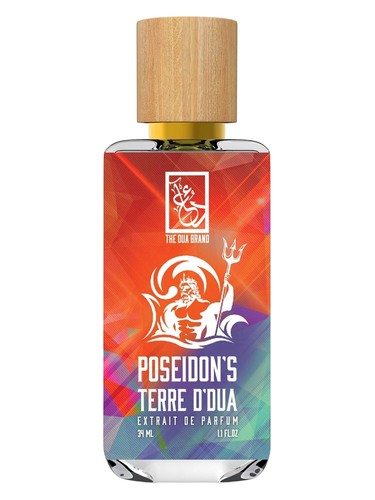
Poseidon’s Terre D’Dua
Fragrance notes
A woody aromatic that leans heavily on its earthy and marine accords, this fragrance presents a dense thicket of patchouli and oakmoss. These elements sit alongside cedar and birch, creating a foundation that feels rooted in damp soil and coastal air. The aroma is distinctly masculine, carrying a powdery finish that softens the sharper edges of the geranium and rose. It is a scent that prioritizes the deeper, darker facets of nature over bright, fleeting top notes, offering a profile that feels substantial and grounded.
The drydown reveals a complex interplay between the ambergris and the vanilla. This combination adds a creamy, slightly sweet resin to the mix, which wraps around the musk and the earthy patchouli. The Moroccan jasmine and rose do not float above the composition but instead weave through the heavier woods, lending a floral dustiness that prevents the base from becoming too austere. It is in this phase that the scent truly defines itself, moving away from simple freshness into a textured, skin-like warmth.
While the black currant, pineapple, apple, and orange are present, they do not scream for attention. Instead, they provide a subtle, fruity lift that keeps the heavy woods from feeling completely flat. The bergamot and fresh spicy accords offer a slight tickle to the nose, but the overall impression remains one of a dark, woody environment. The marine accord whispers through the denser notes, suggesting a sea breeze rather than a wave crash, which complements the aromatic herbs nicely.
The limitation here is the blending itself. With fifteen notes listed, the specific identities of the citrus and fruit often get lost in the overwhelming woody and earthy noise. It can feel a bit muddled, where the distinct character of the pineapple or the currant is buried so deep that they merely read as a generic sweetness. For those seeking a clear, transparent aroma where every ingredient shines, this dense mixture may feel cluttered and indistinct.
Smells similar
Built from the same materials — ranked by how unusual the shared notes are, not by how many.