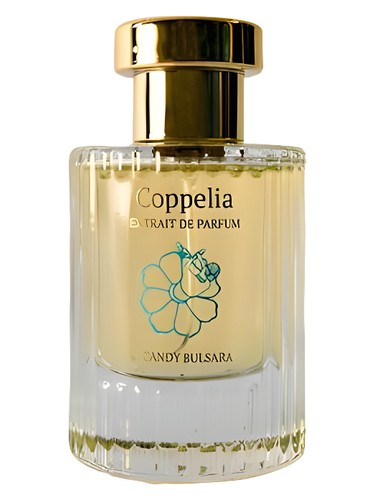
Coppelia
Fragrance notes
Character
Coppelia is built for the person who wants to be noticed in a room that is already warm with conversation and low light. This is not a casual daytime scent for someone who prefers to blend in. The combination of oud and patchouli creates a heavy, earthy foundation that demands attention. When you wear this, you are choosing a fragrance that occupies space. The metallic accord adds a sharp edge to the resinous benzoin and saffron, making the profile feel modern rather than purely traditional. It is a deliberate choice for evenings when the air is cool and the atmosphere is intimate.
The sweetness here comes from the honey and plum, but it is not a light sugar. It is a dense, dark fruitiness that sits heavily alongside the amber. This richness means the fragrance suits a wardrobe that already embraces bold, resinous woods. If your collection leans toward fresh citrus or clean linens, Coppelia will feel like an intrusion. It works best on skin that can handle the intensity of saffron without it turning sharp, pairing well with dark clothing and formal settings where a subtle whisper of scent would be lost entirely.
There is a specific mood this fragrance captures. Imagine standing near a fireplace where the wood smoke mixes with expensive resin and dried fruit. That image aligns with the warm spicy and woody accords present in the blend. It creates a cocoon of scent that feels protective and enclosed. The earthy elements ground the brighter notes, ensuring the honey does not become cloying. It is a scent that feels substantial, meant for moments that require a certain gravity and a departure from the everyday.
This fragrance is a commitment to a specific kind of presence. It favors depth over airiness and tradition over novelty. The wearer accepts the weight of the oud and the sticky reality of the honey. It is a composition that stays close to its core identity from the first spray to the last. The result is a portrait of dark, resinous luxury. It is patchouli.
Smells similar
Built from the same materials — ranked by how unusual the shared notes are, not by how many.