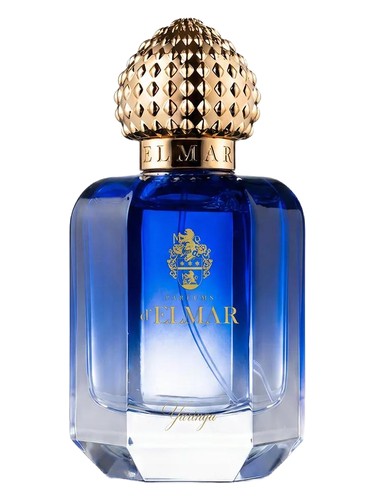
Yaringa
Fragrance notes
Character
Coconut and vanilla open Yaringa with a soft, edible warmth that feels immediate. Myrtle adds a green, slightly medicinal edge that keeps the sweetness from becoming flat. Seaweed brings a damp, mineral quality that sits close to the skin and does not project far, while the overall composition stays moderate in longevity and does not carry across a wide space. The opening is bright but never sharp, moving quickly into a heart where salt and passionfruit take over. Thyme and cedar give the fruit a dry, herbal frame that prevents the tropical elements from leaning too heavily into candy. The musk in the base is clean and faint, supporting the salt rather than adding weight.
The salt note is persistent and defines the wear. It bridges the vanilla and coconut with the greener myrtle and thyme, creating a profile that feels coastal without relying on heavy marine clichés. Passionfruit adds a tart, juicy lift that fades as the cedar becomes more noticeable, leaving a dry, woody finish under the vanilla. The fragrance feels suited to warm, sunlit mornings near open water, where the air is clear and the light is strong. It works for someone who enjoys tropical scents but wants the sugar tempered by herb and salt. Those who dislike salty skin accords or find coconut too persistent will not enjoy the direction it takes as the thyme settles in.
The vanilla lingers as a soft trace beneath the salt and cedar, never dominating but rounding the edges of the sharper notes. Myrtle and thyme give it a slightly medicinal, aromatic character that separates it from standard beach releases. The passionfruit is present mostly in the early hours, then recedes to let the musk and wood take a firmer hold. It remains sweet throughout but stays balanced by the herbal and marine elements. The overall impression is consistent rather than evolving dramatically, with each note staying close to its original position. Cedar and salt continue to lead the drydown while the vanilla
Smells similar
Built from the same materials — ranked by how unusual the shared notes are, not by how many.