Cuir de Russie
Fragrance notes
Character
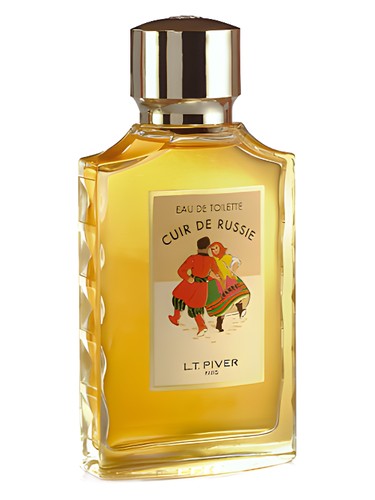
This is a fragrance that begins with a deceptive brightness, a honeyed citrus shimmer that gives way to something much older and stranger. The opening is a sticky, spicy burst of mandarin and pepper, anchored by the smoky resin of styrax, hinting at the animalic depths to come. Soon the Russian leather emerges, not as a clean saddle or new handbag, but as the worn, brittle lining of a coat that has traveled through cold forests and incense-heavy cathedrals. Cinnamon and laurels add a dusty, aromatic warmth, while the base of labdanum, oakmoss, and amber settles into a dry, almost ecclesiastical glow. It is a scent like a leather-bound field journal forgotten on a mossy stone wall, its pages swollen with rain, its binding cracked and smelling of old chapels and honeyed resin.
The character is decidedly vintage, leaning into the animalic and the sweet in equal measure, but it never feels synthetic or overwrought. It wears like a well-loved artifact, intimate and complex, though the modest longevity and softer sillage mean it won't announce your arrival from across the room. That restraint suits it perfectly. This is a fragrance for anyone who appreciates the melancholic romance of old things, for the person who finds comfort in the scent of a secondhand bookshop or a wooden attic after a storm. It shines in the crisp air of autumn and winter, when its warmth can coil around you like a worn scarf, and it works beautifully for daytime reflection or quiet evenings alike. Skip it if you crave projection or a pristine, modern leather. This one has stories to tell, but only if you lean in close.
Smells similar
Built from the same materials — ranked by how unusual the shared notes are, not by how many.