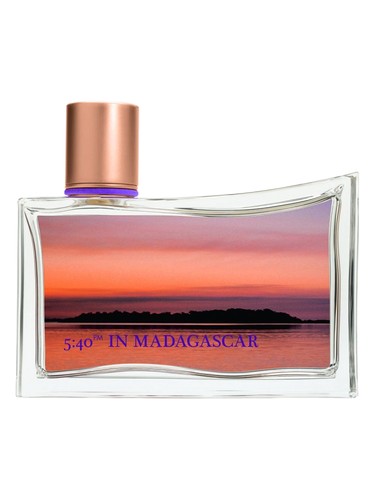
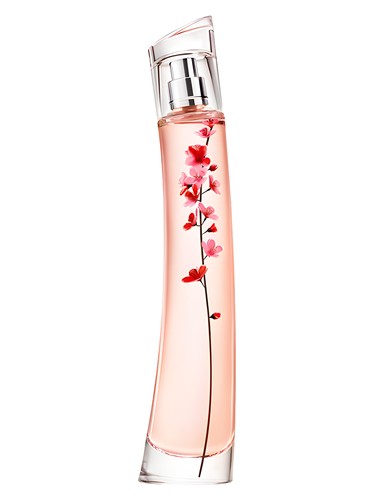
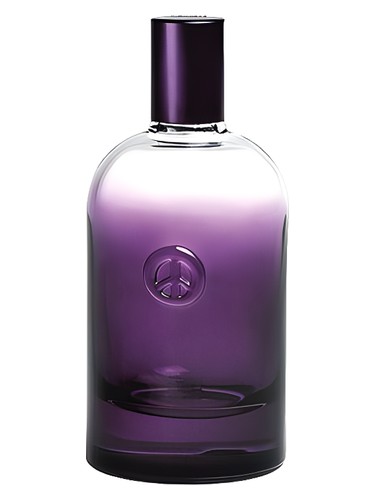
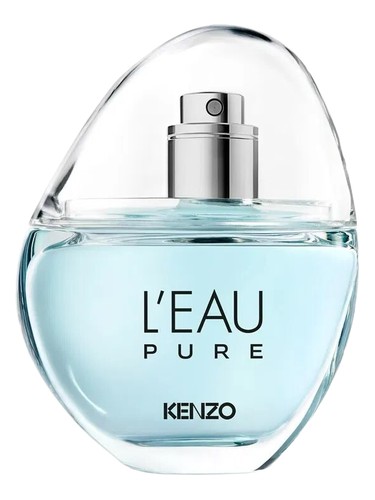
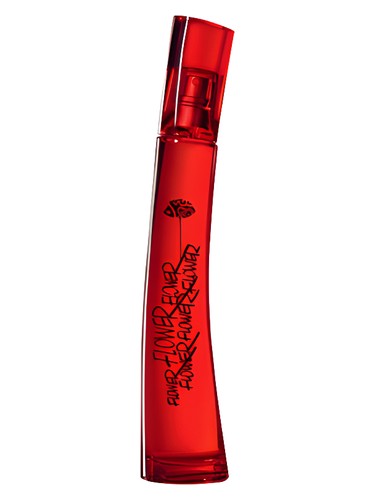
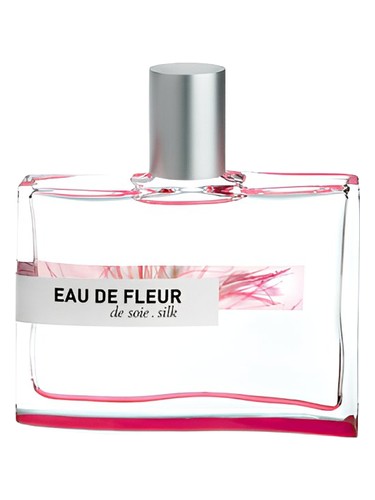
Kenzo
Explore 168 Kenzo fragrances — notes, longevity, sillage and community ratings, matched to how you want to smell.
About the house
Kenzo S.A. was founded in Paris in 1970 by the Japanese designer Kenzo Takada. His first shop, in the Galerie Vivienne, was called Jungle Jap. The label took the name Kenzo in 1976, reportedly after a New York show, because the American market found the old name too pejorative.
The house added menswear in 1983, kids and home lines in 1987, and fragrances in 1988. LVMH acquired Kenzo in 1993 from SEBP and Financière Truffaut, and it remains an LVMH house, with its perfumes placed under the group's perfume and cosmetics division. Takada announced his retirement from fashion in 1999 to pursue art. He died on 4 October 2020, aged 81, of complications from COVID-19.
After Takada, creative direction went to Antonio Marras from 2008 to 2011, Humberto Leon and Carol Lim from 2011 to 2019, Felipe Oliveira Baptista from 2019 to 2021, and Nigo from September 2021.
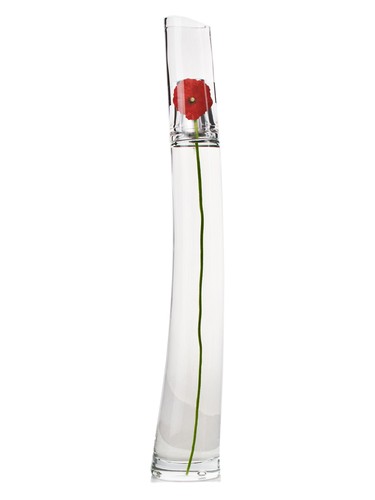
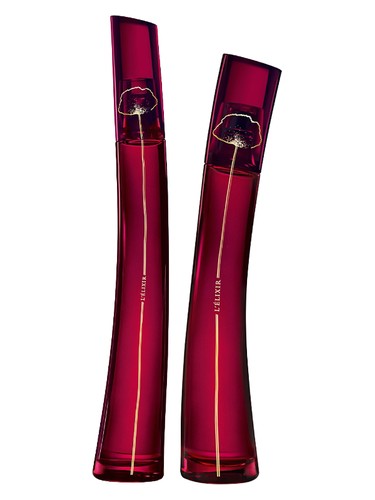
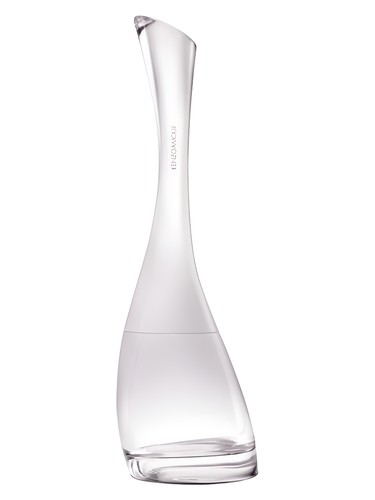
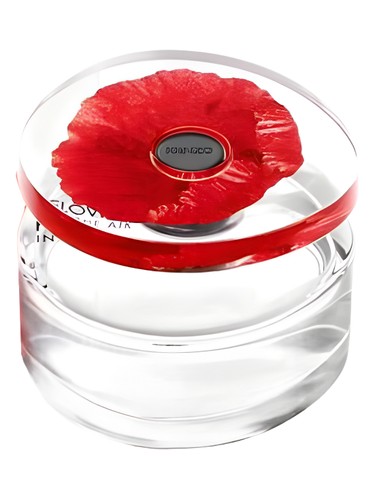
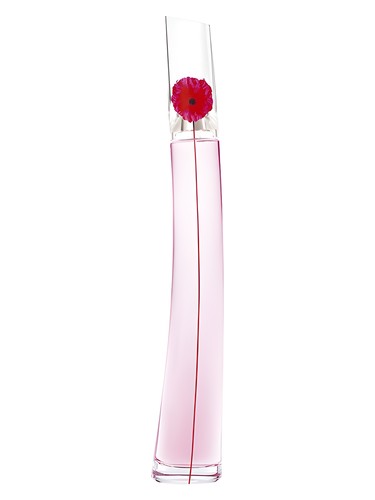
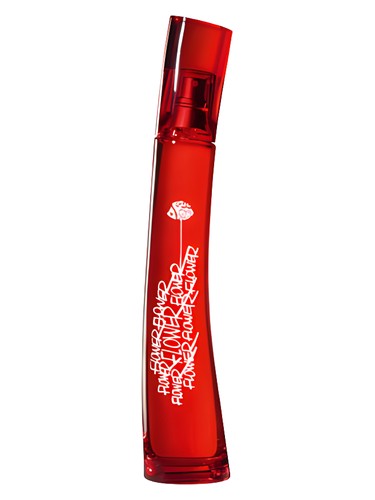
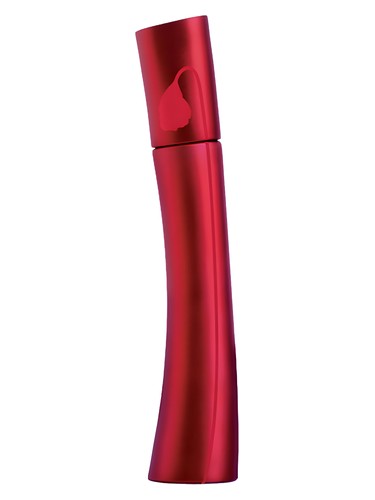
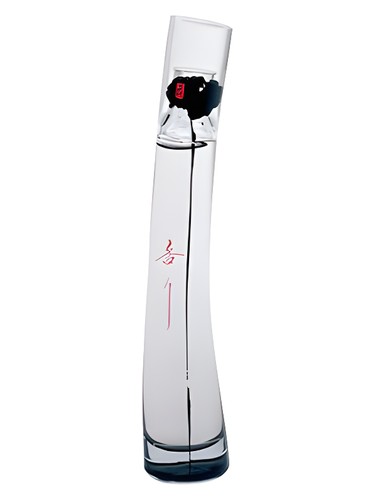
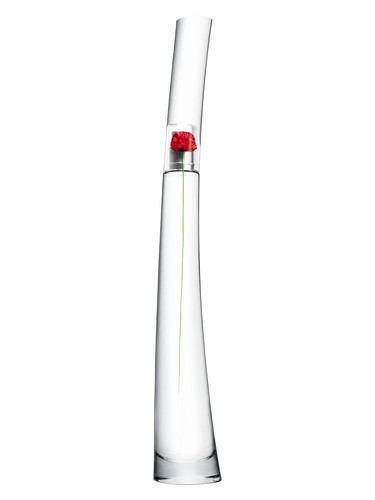
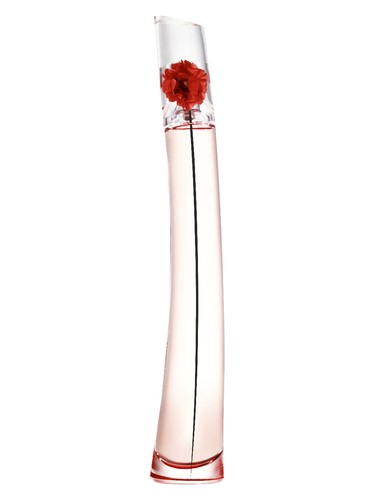
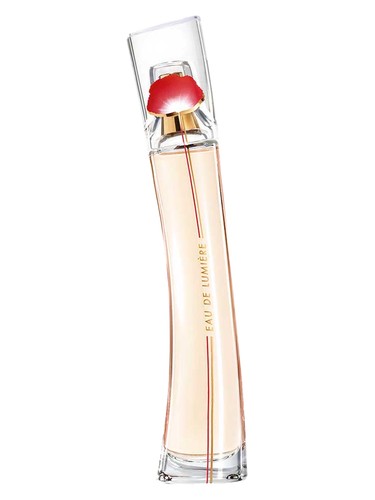
Flower by Kenzo was composed by perfumer Alberto Morillas, and its concept is a poppy, a flower with no scent of its own, so the fragrance is built with nothing extracted from the flower. A blogger-critic describes the original as powdery violet and soft rose, reminiscent of vintage powders. The bottle is a glass stem topped with a poppy, executed by the French sculptor Serge Mansau, though one source credits the agency Air Paris with the original idea.
Signature notes
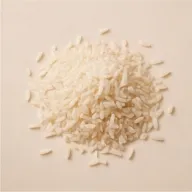
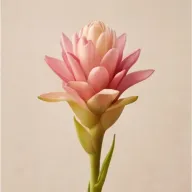
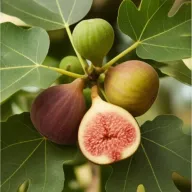
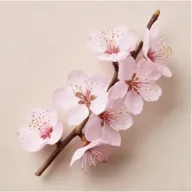
These notes show up in Kenzo fragrances at least twice as often as in the catalogue as a whole. We worked this out from each fragrance's listed notes. It is not how the house describes itself.
Best known for
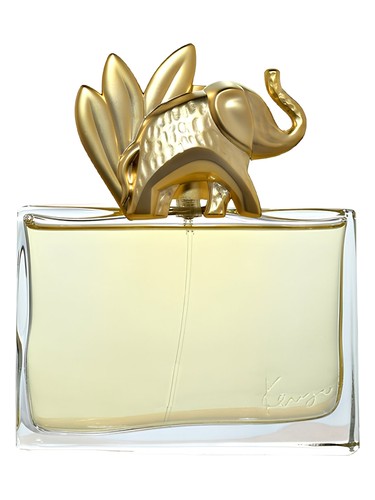
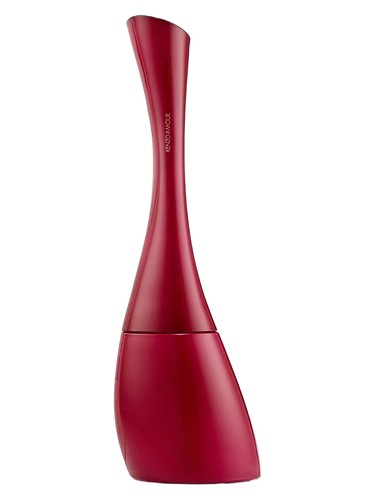
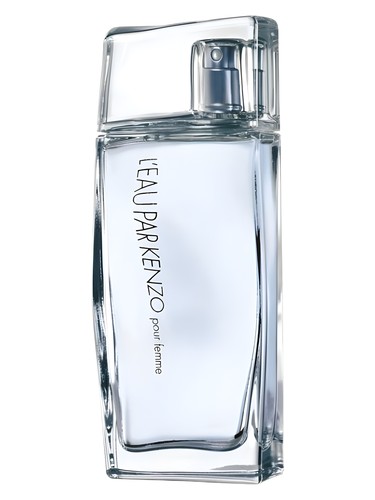
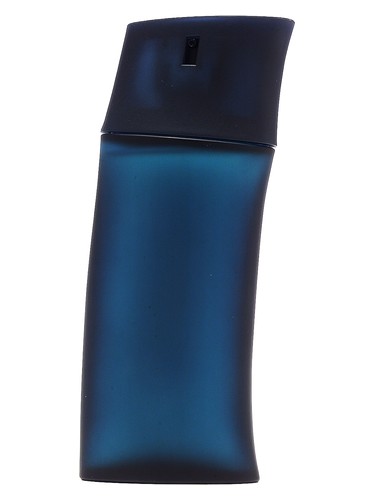
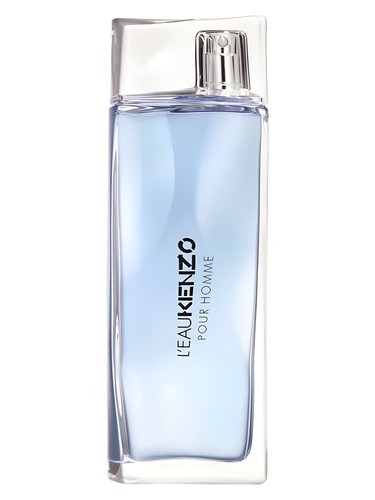
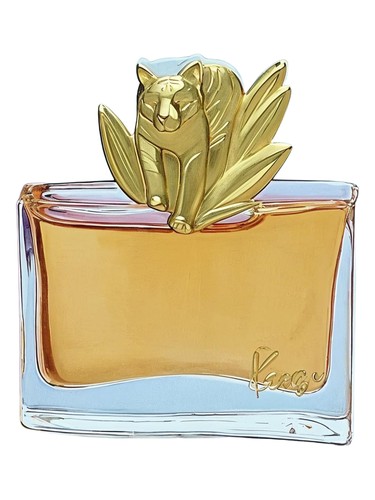
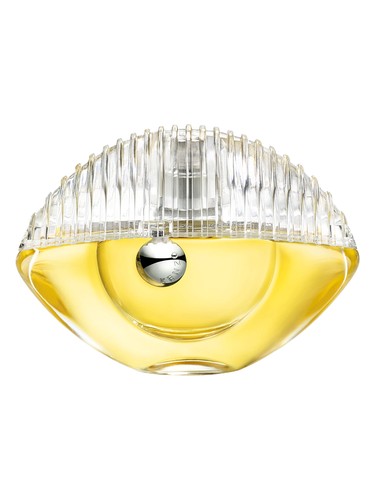
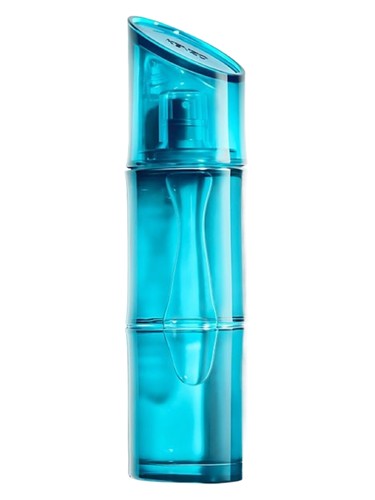
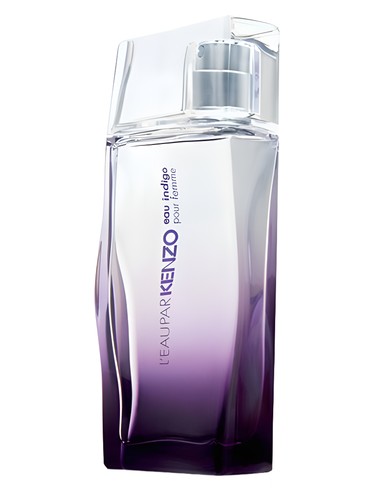
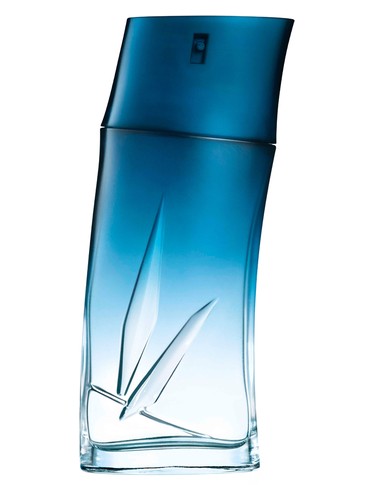
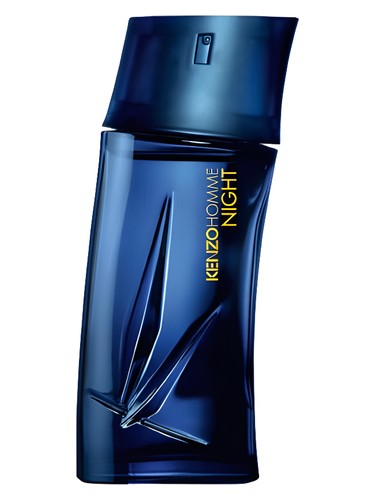
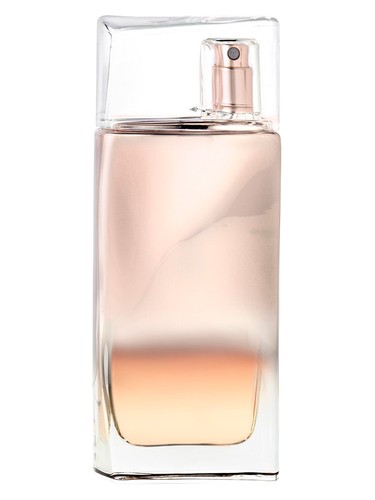
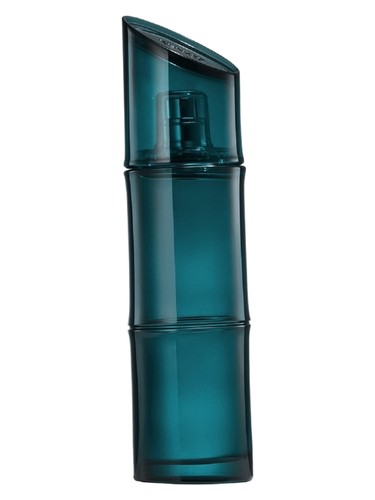
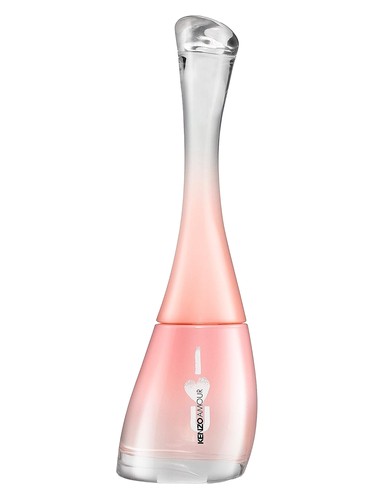
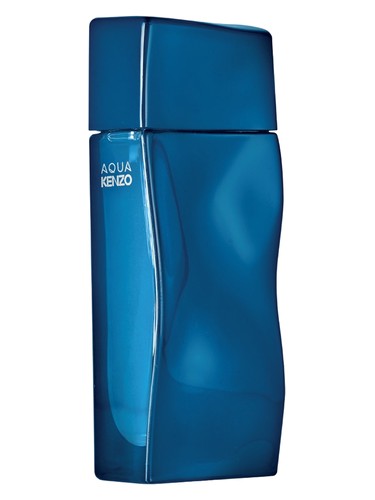
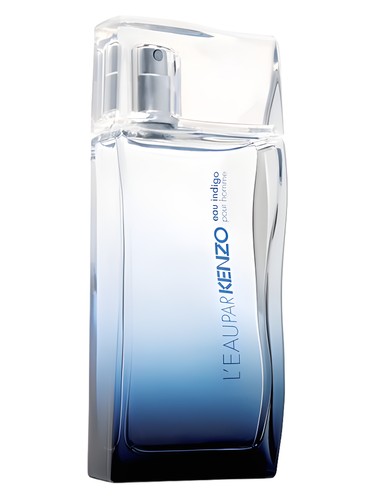
Flower by Kenzo, Jungle L'Elephant, Amour, L'Eau par Kenzo, pour Homme and L'Eau par Kenzo pour Homme — the most-rated in our catalogue.
Releases
From 1978 to 2025, 167 fragrances with a known year.