Bapteme Ambre
Fragrance notes
Character
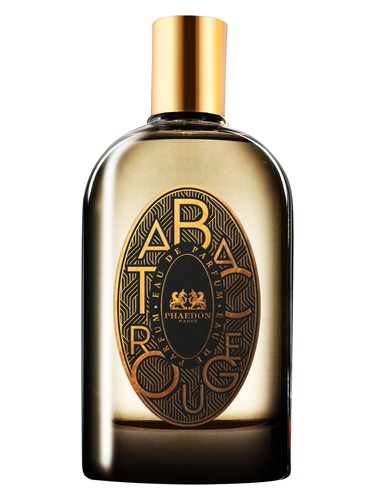
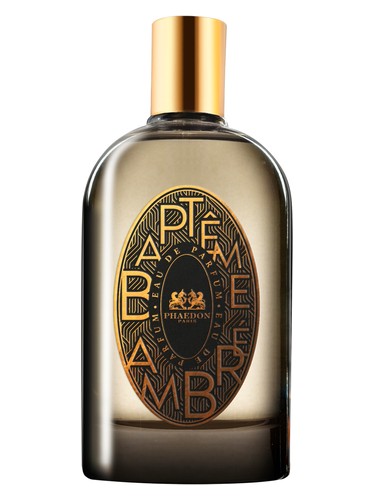
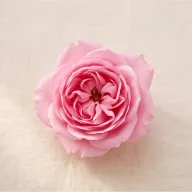
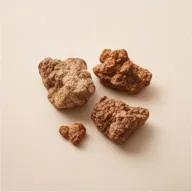
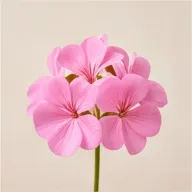
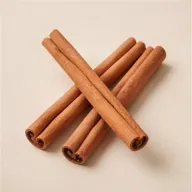
A velvet curtain hangs heavy in a dimly lit café, the air thick with the steam of dark coffee and the quiet hum of conversation. On a nearby table, a glass of mulled wine releases a lazy spiral of heat into the room. Bapteme Ambre by Phaedon lives inside this specific pocket of warmth. The cinnamon and rose do not take turns here. They swirl together in the air, the spice lending a dried, bark-like texture to the soft petals, while the opoponax adds a resinous, golden weight that feels almost edible. Geranium clips the richness with a leafy, green edge, preventing the blend from becoming a flat blanket of sugar. It smells of polished wood, of balsamic resins rubbed into old leather, and of a sophisticated sweetness that feels earned rather than applied. The aroma wraps around the immediate space like a thick scarf, mingling with the natural aromatics of the room.
This is a scent built from materials that feel substantial and slightly antique, evoking a sense of being tucked away from a cold wind outside. The herbal facets of the geranium keep the heavy amber and floral notes alert, ensuring the composition breathes even as it settles into the cozy atmosphere of the evening. It is a fragrance that captures the feeling of sitting still in a beautiful, shadowed interior where the air is perfumed by dried flowers and precious gums. The cinnamon provides a constant, glowing ember of heat against the skin, while the rose remains dark and saturated, refusing to brighten into something spring-like. Everything about this creation suggests a deep, balsamic comfort that belongs to the night, holding onto the warmth of the room and the
Smells similar
We matched these by the notes each one lists, giving more weight to the unusual ones they share. Sharing materials does not make one a copy of the other.