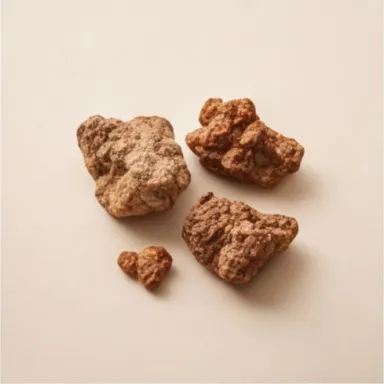
Opoponax
Sweet, warm resin with a honeyed, balsamic scent, like myrrh softened by vanilla.
You may know it from Myrrh incense
Where it comes from
A fragrant gum-resin tapped from Commiphora trees, mainly in Somalia.
Worth knowing
Despite the name, it is a resin, not a flower or fruit.
IFRA rules
IFRA restricts Opoponax to 0.43% in fine fragrance, citing dermal sensitization.
From the IFRA Standards, 51st Amendment. A perfume that lists this note may use a synthetic version the Standard does not cover.
About opoponax
Opoponax is a resin from a thorny East African tree, Commiphora guidottii. Its home ground includes the Ogaden region of Ethiopia, where it goes by the name hadi, and trade pages also list Kenya and Eritrea. Somalia has exported it since ancient times, and it still counts as a major export there.
The name invites a mix-up. The original opopanax is a different plant, a Mediterranean member of the Opopanax genus used medicinally, and some pages still describe the perfumery material as an herb of the Apiaceae family. What perfumers buy is the gum resin of a tree in the Burseraceae family, the same family as myrrh.
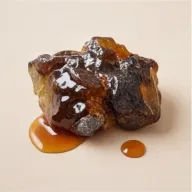
Collecting it starts with cuts in the bark, and tears of resin flow out. A resinoid comes from solvent extraction of that gum resin, while steam distillation gives an essential oil with a lighter profile. One supplier glossary names alpha-santalene, bergamotene and other sesquiterpenes as the main aroma compounds of the resinoid.
The smell is warm, sweet and balsamic, with a honey-anise quality. Suppliers place it between two better-known neighbours, softer and less bitter than myrrh and less vanillic than benzoin. Traders once ranked the resin below myrrh as a commodity, yet perfumers find it the sweeter and gentler of the two. One perfume review repeats a tradition, undocumented, that King Solomon counted it among the noblest incense gums.
The tree itself is under pressure. The IUCN lists Commiphora guidottii as Vulnerable, with charcoal cutting, excessive resin extraction and regional climate change named as threats, and it is very rare in Ethiopia.
Accords it shows up in
How many of the fragrances listing Opoponax in our catalogue also carry each accord. We counted this ourselves.
Often paired with
The notes that appear next to Opoponax most often in our catalogue.









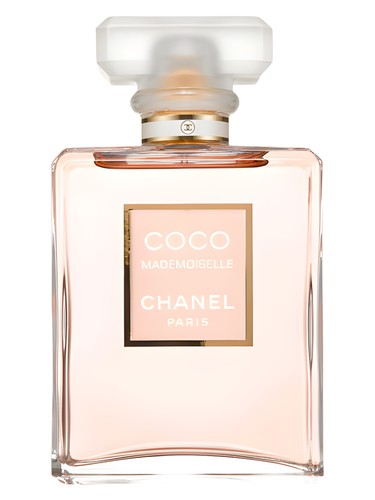
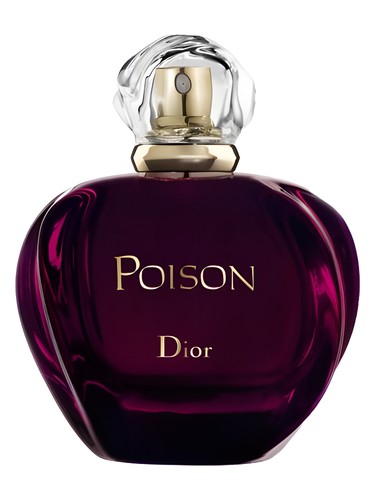
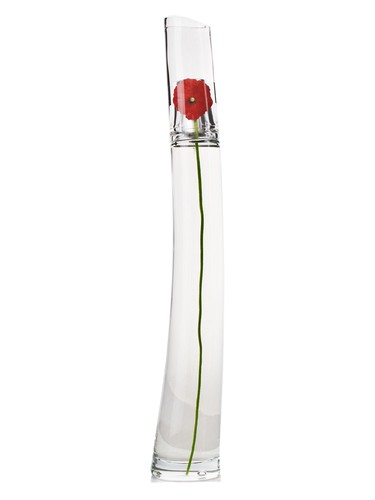
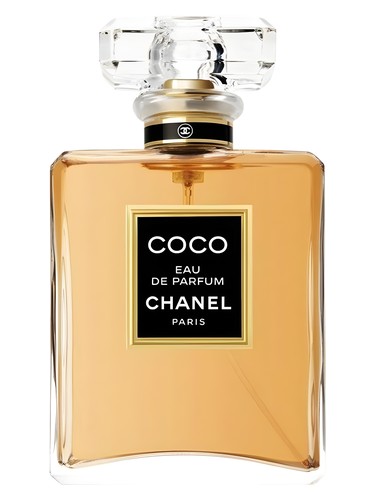
Well-known fragrances with Opoponax
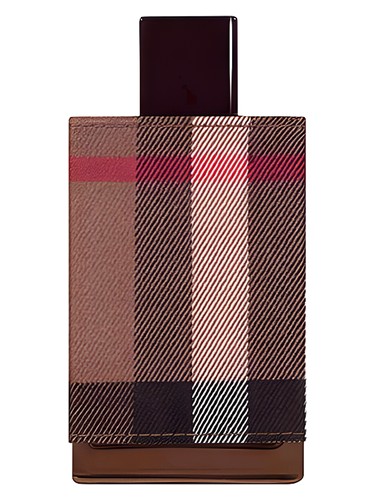
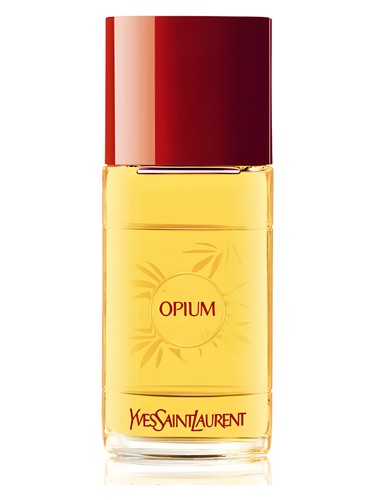
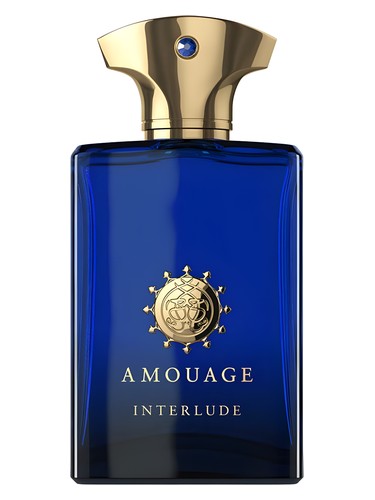
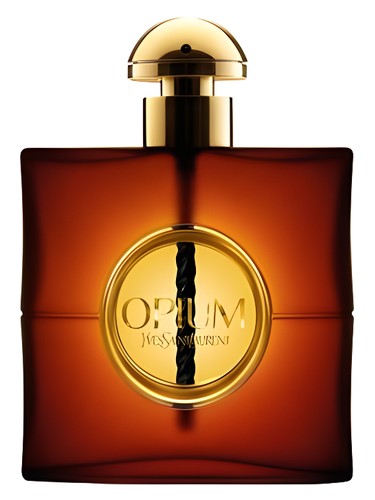
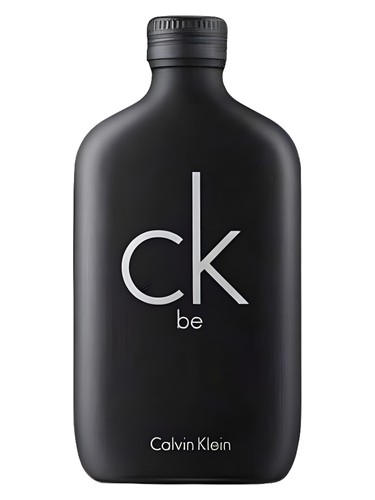
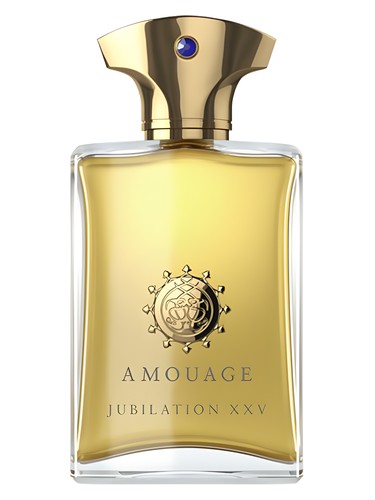
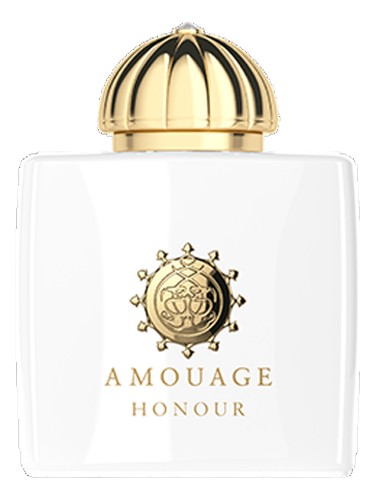
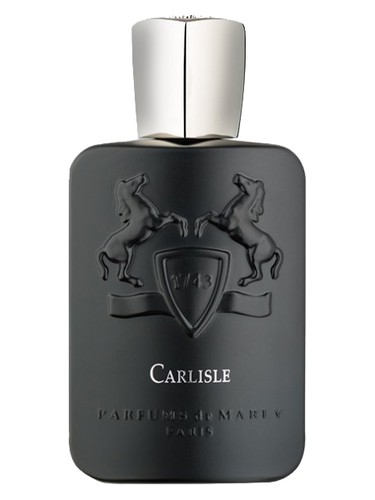
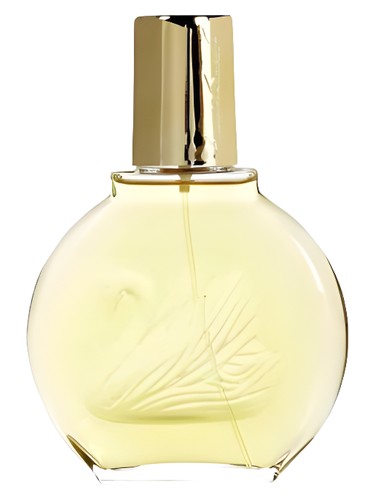
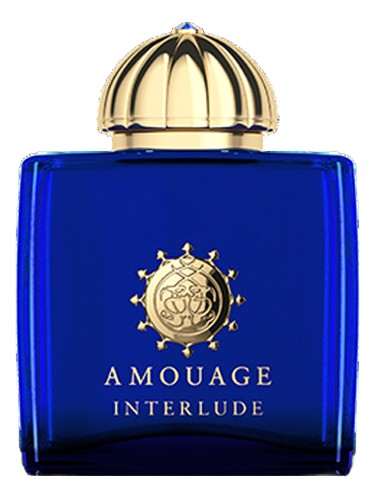
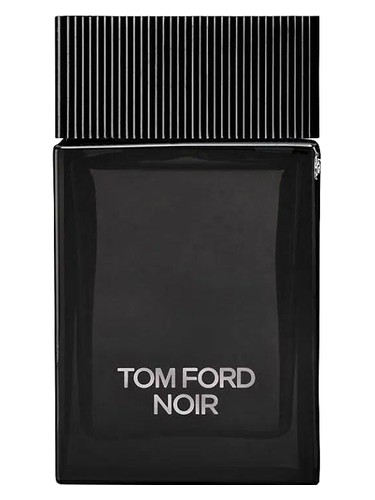
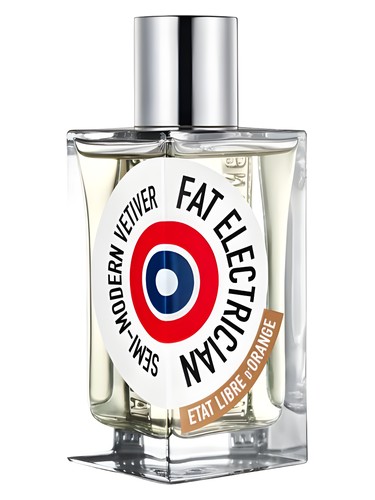
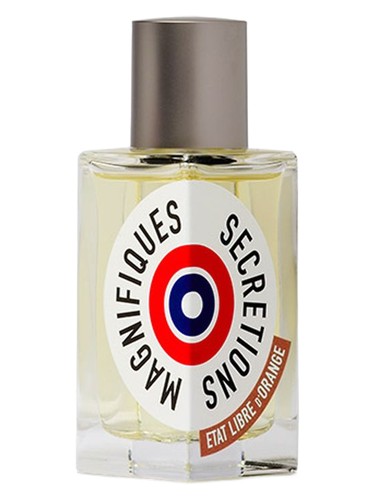
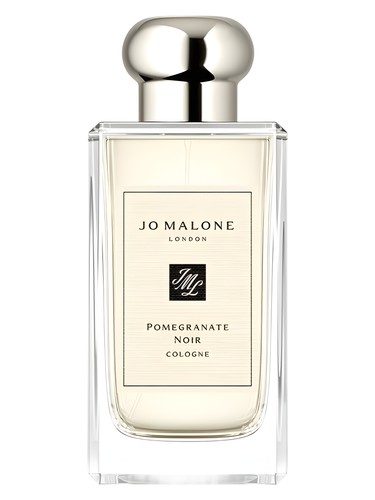
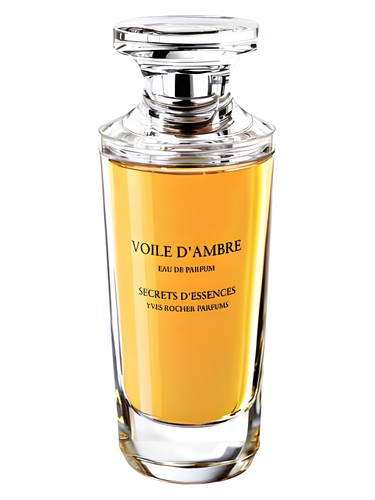
Fragrances that list it in their notes, most-rated first.
Houses that use it most
Ranked by how many of their well-known fragrances list Opoponax.