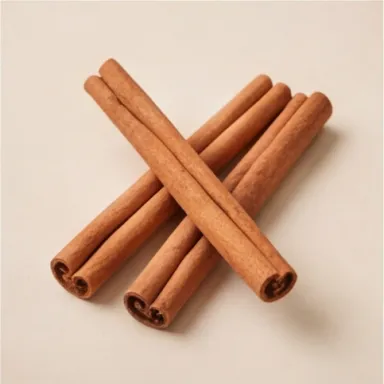
Cinnamon
Warm, sweet, woody spice with a dry, slightly peppery bite.
You may know it from Ground cinnamon in baked goods
Where it comes from
Steam-distilled or extracted from the bark or leaves of cinnamon trees.
Worth knowing
Cinnamon bark and leaf oils smell different and can irritate skin.
About cinnamon
A label that says cinnamon does not tell you which tree it came from. The word covers Ceylon cinnamon, the inner bark of Cinnamomum verum, a small evergreen of the laurel family native to Sri Lanka, and it is also applied to cassia, Cinnamomum cassia, a southern Chinese tree whose bark is thicker and rougher and whose flavour is described as less delicate. Sri Lanka is reported to supply most of the true cinnamon, 80 to 90% by one count and 90% by its own export board. In 2022 the EU registered "Ceylon Cinnamon" as a Protected Geographical Indication, Sri Lanka's first.
Spice bark is harvested from shoots. Small branches are cut, the inner bark is loosened by rubbing with a brass rod, then peeled and dried. The oil used in perfumery is steam-distilled, occasionally water-distilled, from that dried inner bark of cultivated shoots.
Cinnamaldehyde carries the odour and the pungency of bark oil. Sources disagree on how much of the oil it makes up, from about 65% to about 90%, and eugenol and roughly 80 other aroma compounds sit alongside it. Scentspiracy describes the oil as warm and sweet-spicy with a dry, powdery finish, fruity top nuances and clove-like and candy-like facets. One supplier calls bark oil biting and pungent, like cinnamon gum.
Leaf oil is a different material. Two commercial sources put eugenol at roughly 70 to 85% of it, so it smells closer to clove than bark oil does, and a supplier adds that it is spicy and sweet with more earthiness. A glossary from one supplier says perfumers use it as a cheaper eugenol-rich material and as a spicy modifier in amber and gourmand compositions, and that it is said to be less restricted than bark oil.
Cinnamaldehyde is a skin irritant and can cause allergic contact stomatitis in sensitised people, although allergy is believed to be uncommon. Scentspiracy's summary of the IFRA limits lists cinnamal among the restricted materials and warns that it also occurs in natural ingredients. An aromatherapy reference, citing Tisserand and Young, gives much lower dermal maxima for bark oils than for leaf oil: 0.07% for Ceylon bark, 0.05% for cassia bark and 0.6% for Ceylon leaf. That is aromatherapy guidance, not an IFRA figure.
Accords it shows up in
How many of the fragrances listing Cinnamon in our catalogue also carry each accord. We counted this ourselves.
Often paired with
The notes that appear next to Cinnamon most often in our catalogue.











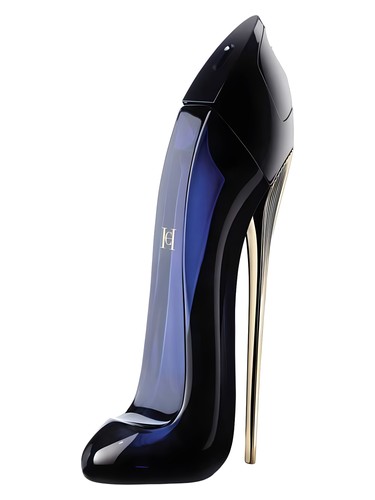
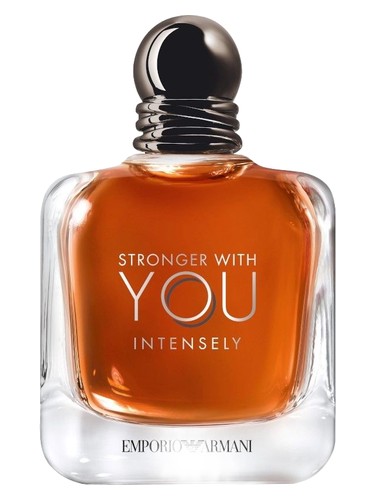
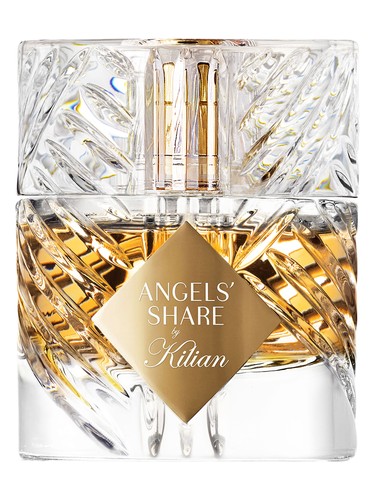
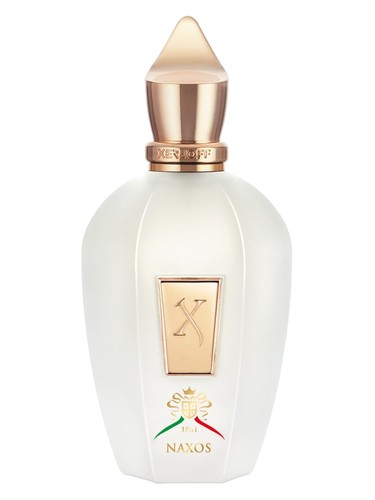
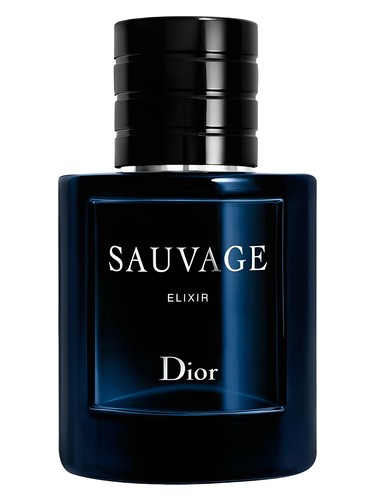
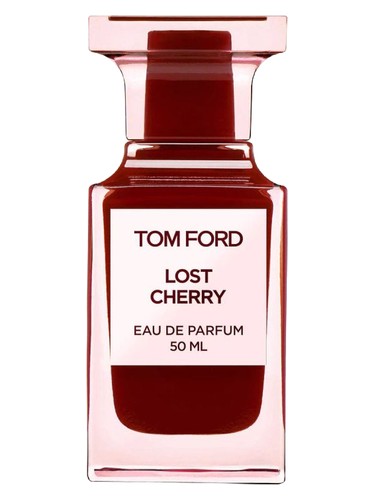
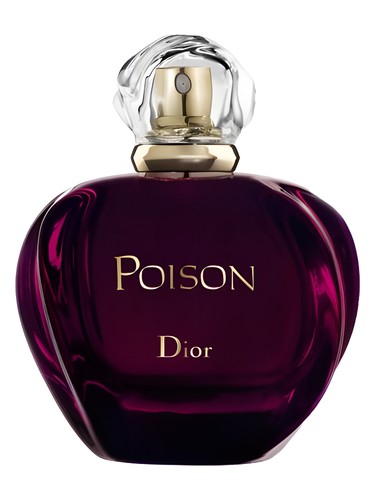
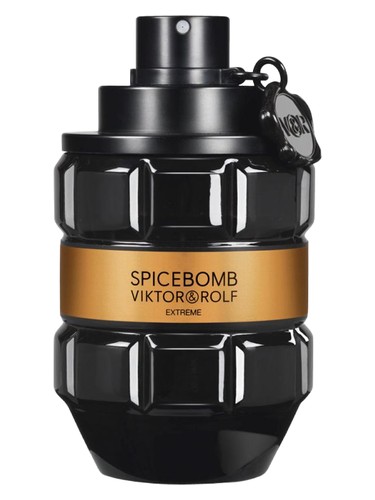
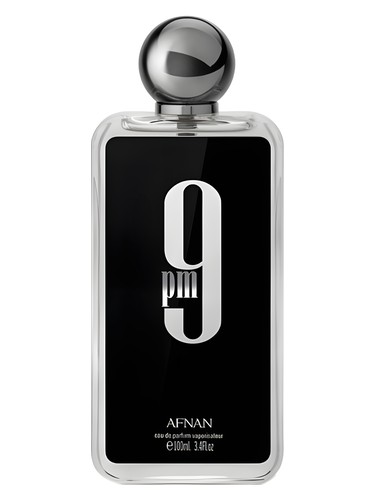
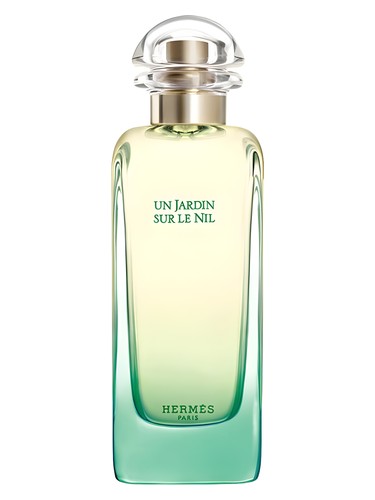
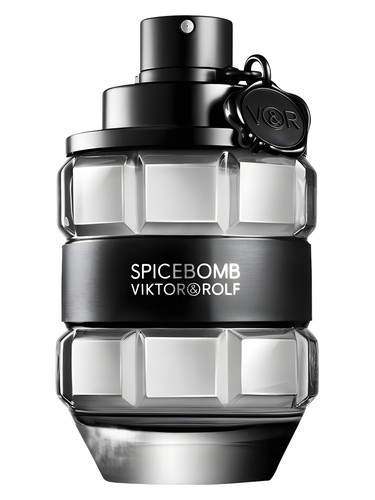
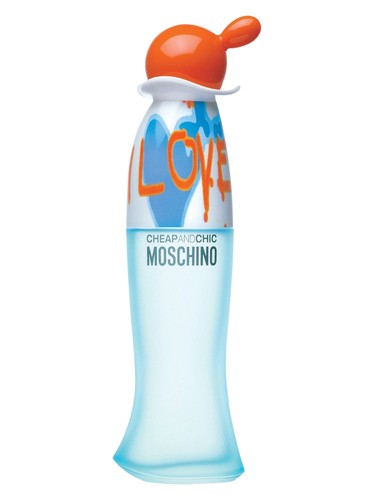
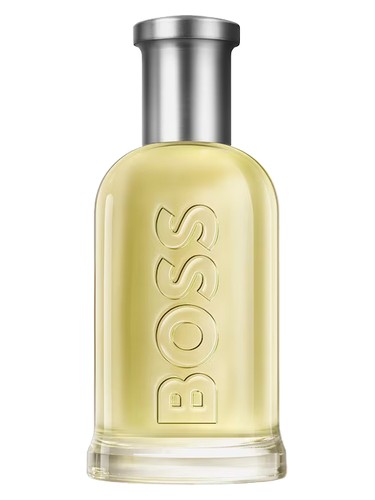
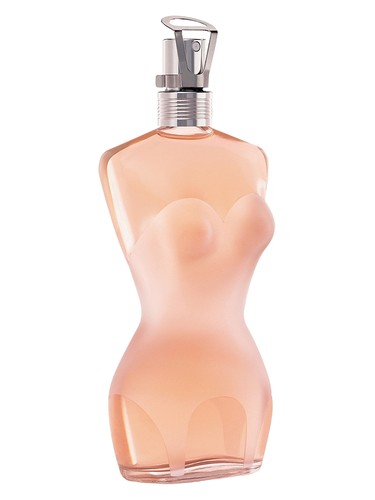
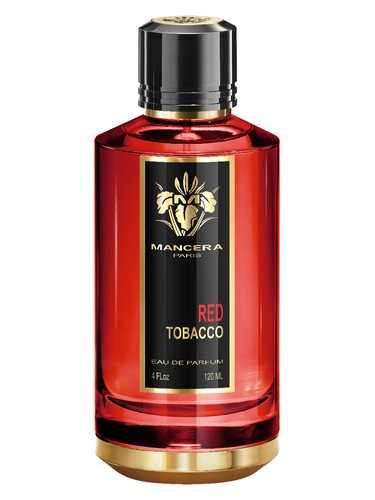
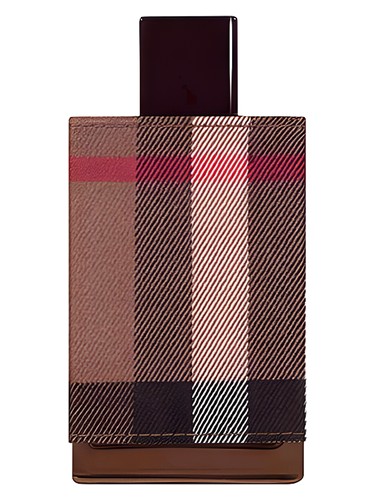
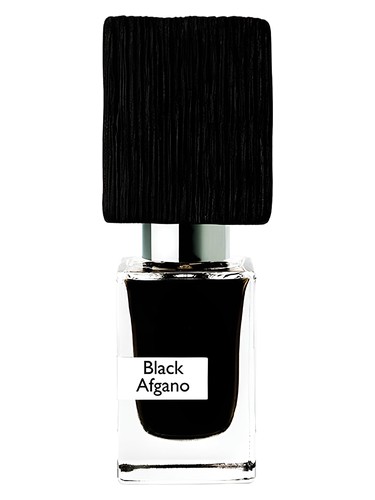
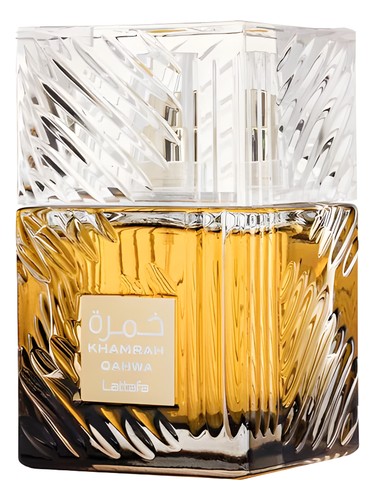
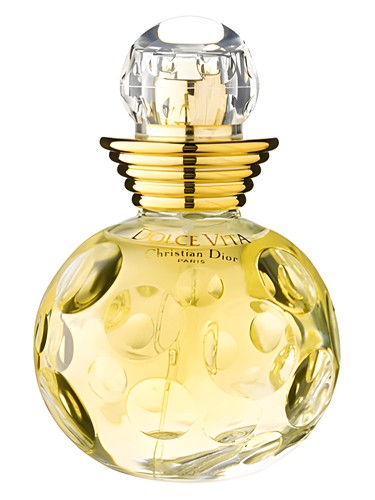
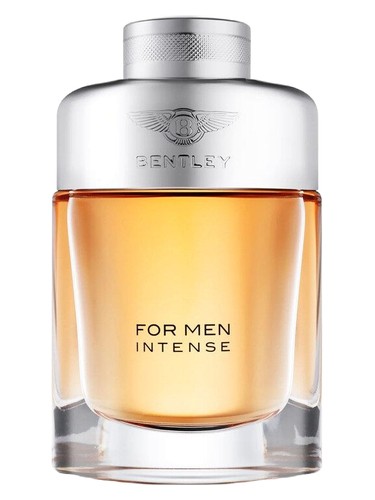
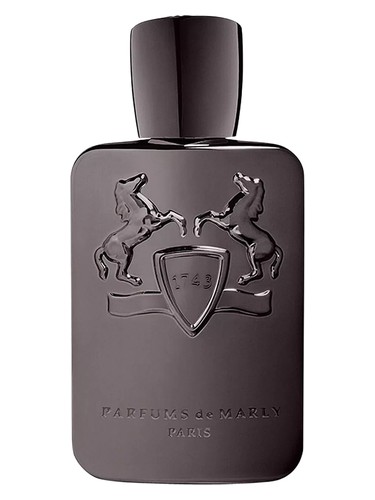
Well-known fragrances with Cinnamon
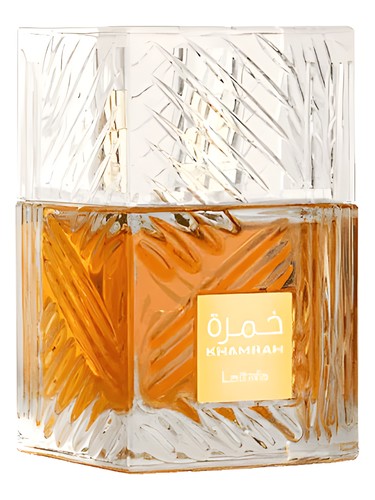
Fragrances that list it in their notes, most-rated first.

Houses that use it most
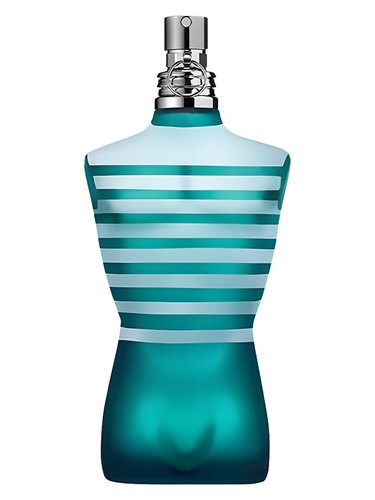
Ranked by how many of their well-known fragrances list Cinnamon.