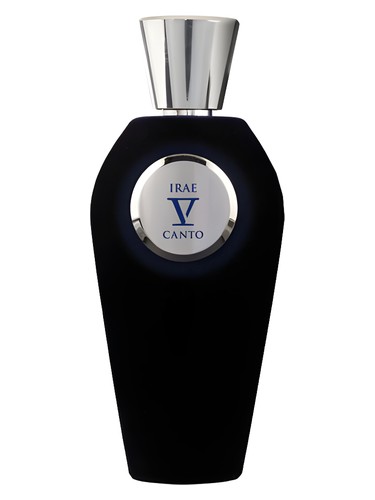
Irae
Fragrance notes
Character
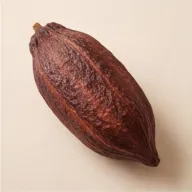
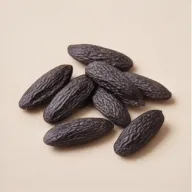
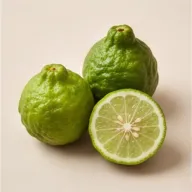
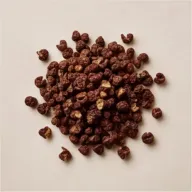
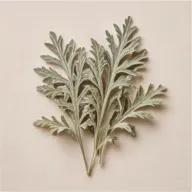
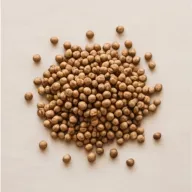
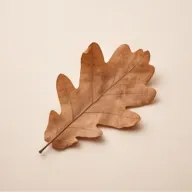
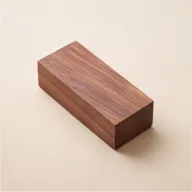
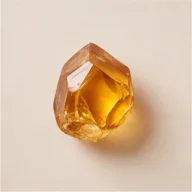
Irae opens with a deceptive sweetness: cacao pod and tonka bean dusted over a bergamot that’s more waxy than bright. But this is no gourmand. Within minutes, Sichuan pepper and wormwood twist the air into something herbal and almost medicinal, while a ghost of hot iron lingers like a skillet fresh from the flame. The heart is where the fragrance shows its teeth, a metallic, peppery, slightly bitter chord that feels both ancient and modern. Then the base settles into a dry, woody embrace of oak and palisander rosewood, with crystal amber adding a faint warmth that never turns syrupy.
The overall character is a wrought-iron gate rusted shut in a rain-drenched garden, organic and industrial at once. It leans natural in its bitterness but wears a synthetic edge from the iron note, which some might read as a chemical sharpness. That’s the trade-off for originality. Longevity hovers around moderate, maybe five hours on skin, and sillage is polite rather than commanding, a fragrance that whispers from a scarf rather than announcing itself from across a room.
This is for the person who finds comfort in discomfort, who wants to smell like a spice cabinet after a storm. Skip it if you crave vanilla or sugary warmth, because the cacao here is dry and earthy, not edible. Wear it in autumn or winter, in the daytime for a touch of brooding elegance or at night when you want to feel a little dangerous. Just be ready to reapply. Who made a fragrance that smells like both a kitchen and a forge, and somehow made it work? That was Paolo Terenzi in 2015.
Smells similar
We matched these by the notes each one lists, giving more weight to the unusual ones they share. Sharing materials does not make one a copy of the other.