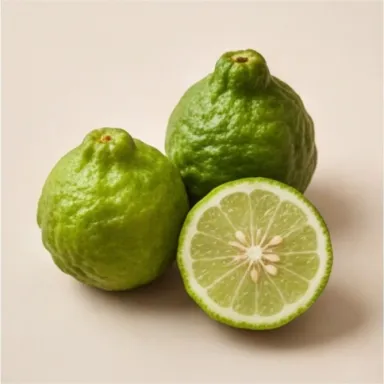
Bergamot
Bright, tart citrus peel with a light floral, slightly bitter tea-like edge.
You may know it from Earl Grey tea
Where it comes from
Cold-pressed from the peel of bergamot oranges, mainly grown in southern Italy.
Worth knowing
Despite the name, it is a citrus fruit, not a herb or mint.
IFRA rules
IFRA restricts Bergamot oil expressed to 0.4% in fine fragrance, citing phototoxicity.
From the IFRA Standards, 51st Amendment. A perfume that lists this note may use a synthetic version the Standard does not cover.
About bergamot
Bergamot is a citrus fruit, Citrus bergamia, probably a cross between lemon and bitter orange. It is a little bigger than an orange, with a thin fragrant skin and flesh too sour to eat. Perfumery only wants the peel. The name comes from the Italian bergamotta, linked to the city of Bergamo.
Almost all of it comes from one stretch of coast. Around 90% of the world's bergamot oil is produced in the province of Reggio Calabria, along a narrow strip of the Ionian shore, and the protected designation registered in 2001 covers land within 100 km of that coast. The oil used to be pressed out of the peel by hand into a sponge. A machine for the job, the Macchina Calabrese, dates from 1844. Yields are small: the PDO specification gives 350 to 750 g of oil per 100 kg of fruit.
Limonene carries the citrus. Linalyl acetate, the same ester that gives lavender its softness, adds the floral side. Bergamot was a main ingredient of the first eau de Cologne made by the Farina family in Cologne in the early 1700s; sources give different years, and Farina's own archive has a bergamot perfume dated 1714. Most people already know the smell from Earl Grey tea, which is flavoured with the same oil.
Two plants on a label are something else. Bee balm (Monarda) and bergamot mint are herbs that share the name. And because each season's harvest is small, the oil is often stretched with synthetic linalool and linalyl acetate, or built on orange and lemon oil.
Raw bergamot oil can burn skin in sunlight. It carries more bergapten than any other citrus oil, which is why IFRA limits it in leave-on products (see the rules above).
Accords it shows up in
How many of the fragrances listing Bergamot in our catalogue also carry each accord. We counted this ourselves.
Often paired with
The notes that appear next to Bergamot most often in our catalogue.












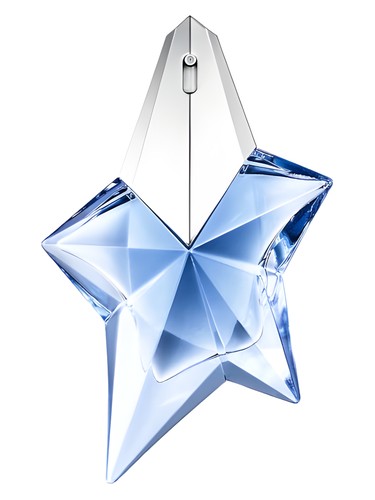
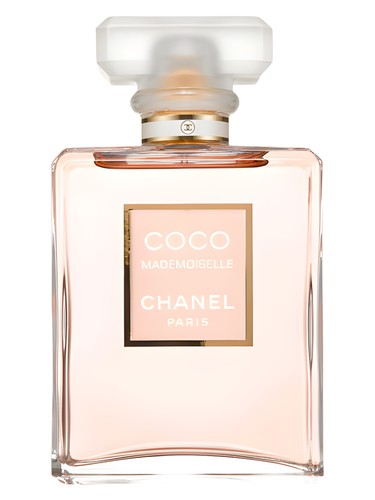
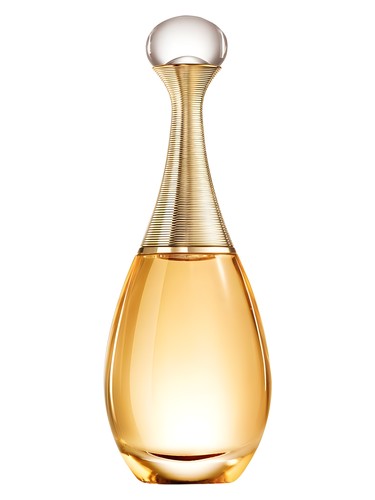
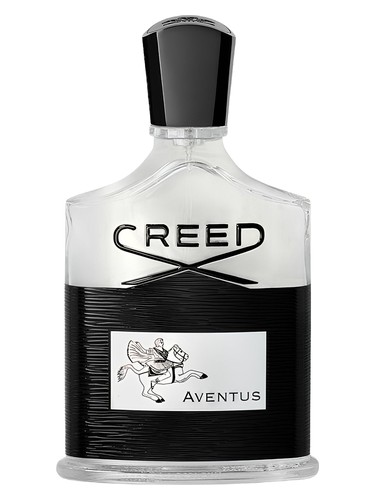
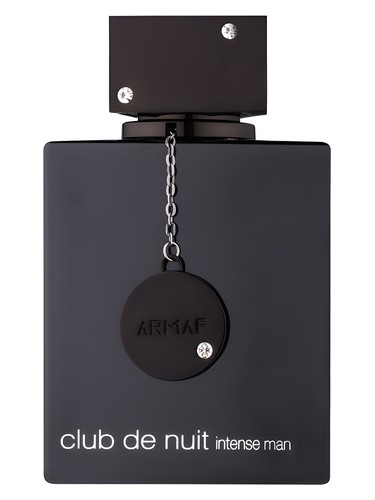
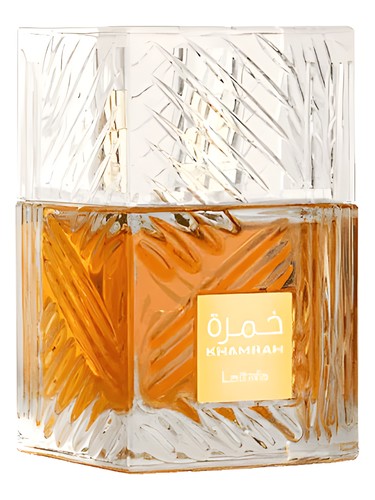
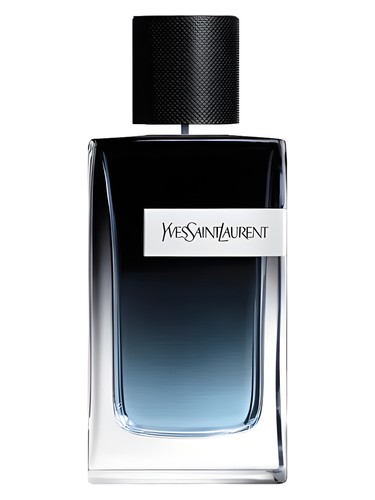
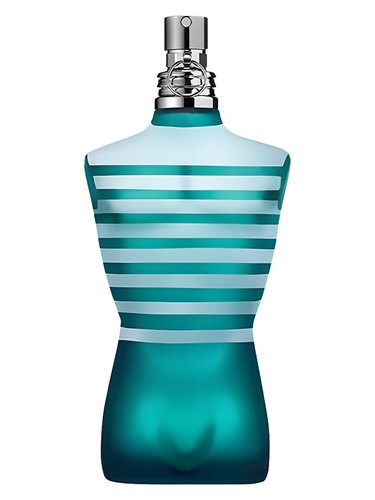
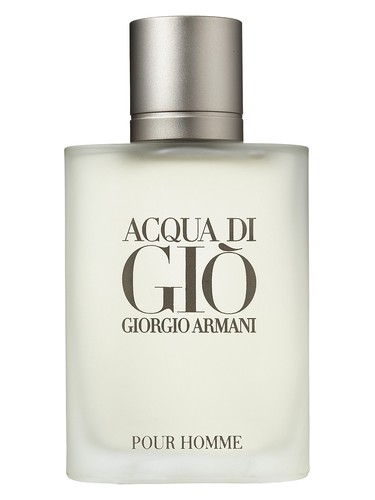
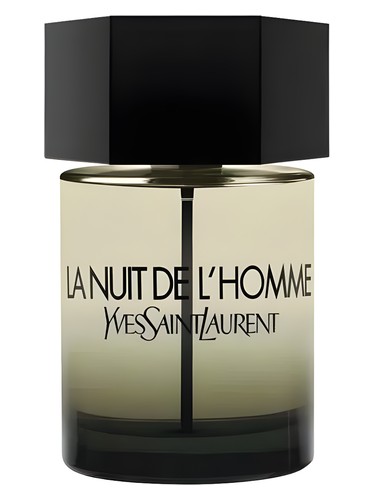
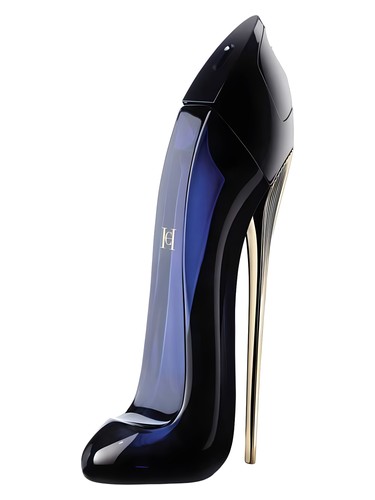
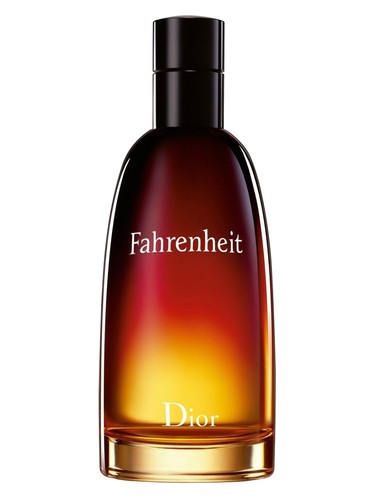
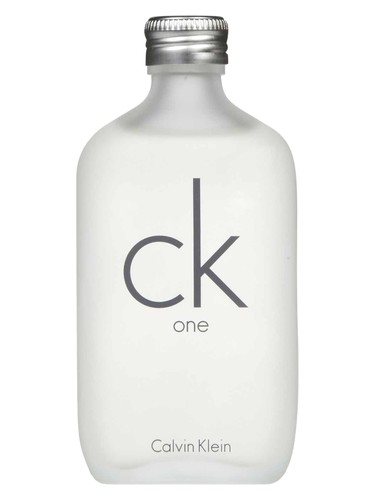
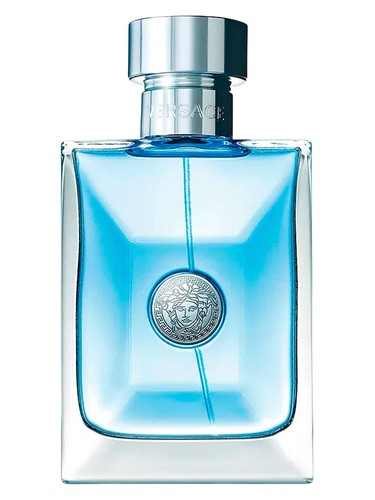
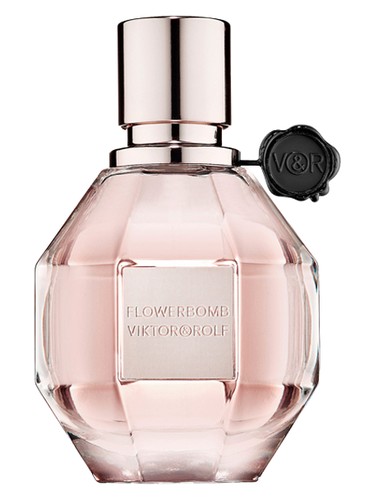
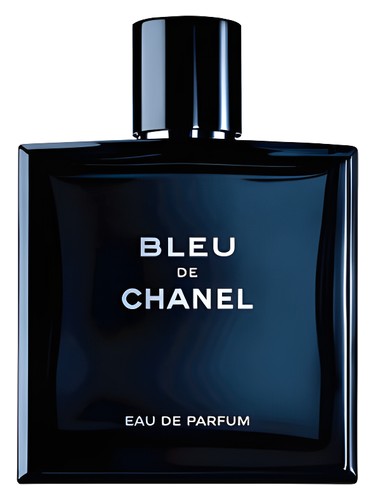
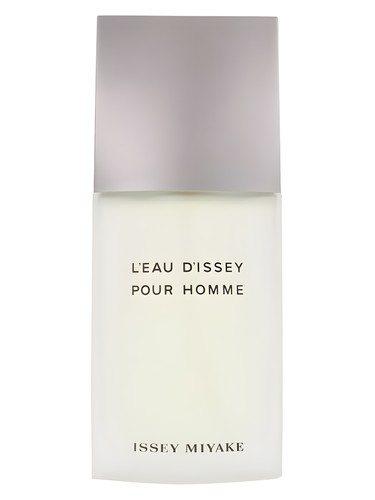
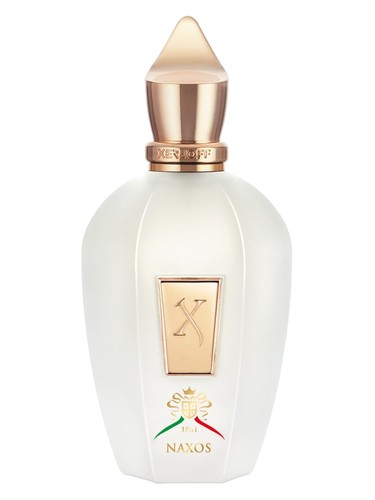
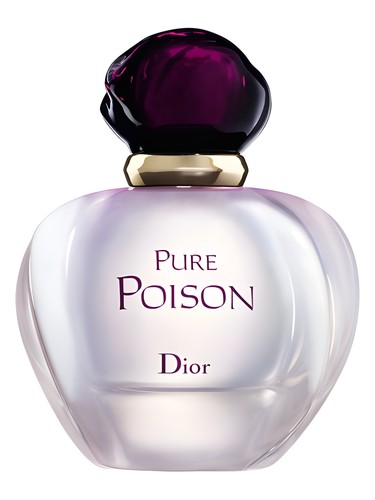
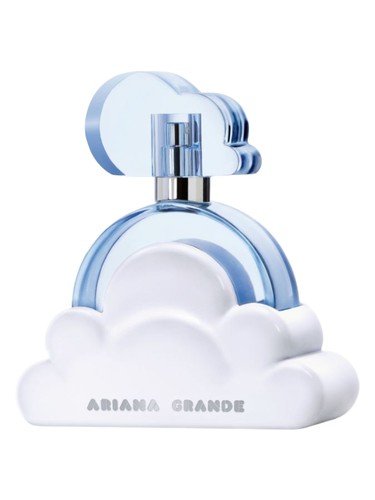
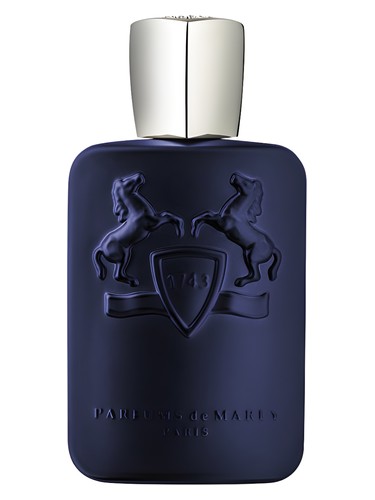
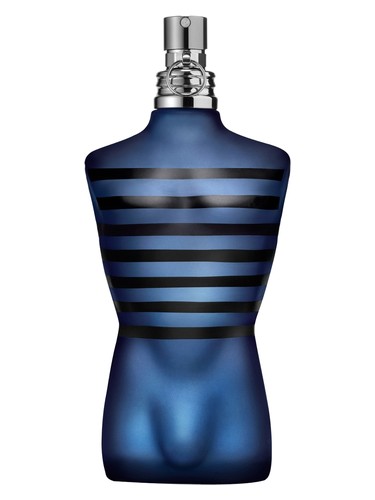
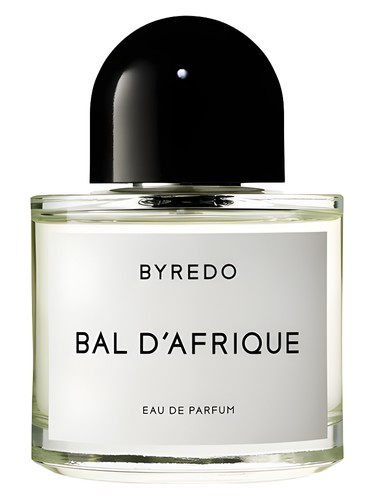
Well-known fragrances with Bergamot
Fragrances that list it in their notes, most-rated first.
Houses that use it most
Ranked by how many of their well-known fragrances list Bergamot.